
Success does not always mean fulfillment, and staying busy does not necessarily mean you are living your life with purpose. Purpose is not just about what you achieve; it is about how connected you feel to your values, passions, and the contribution you want to make. The good news is that living with purpose leaves clues. These five signs can help you recognize when you are aligned with your purpose and when something in your life may need to change.
Inside this article:
TL;DR
Living with purpose isn’t about grand achievements. It shows up in small, daily signals. When you’re aligned, you’ll notice steady energy, confident decisions, and challenges that feel worth having. When you’re drifting, you’ll notice emptiness after success, ignored intuition, and life on autopilot. Below are five signs you’re living with purpose, five signs you’re not, and one small step you can take this week to realign.
What Is Living a Life of Purpose?

Purpose isn’t a career, title, or milestone you eventually “arrive” at. It’s not a finish line. If it were, what would you do the day after you crossed it?
Purpose is a set of deliberate choices: aligning your daily actions with your values, passions, and a mission that matters to you, rather than drifting on autopilot or reacting to circumstances.
Key principles of a purposeful life
- Intentionality: acting on purpose, not autopilot.
- Values alignment: behaviors, career, and relationships reflect what you actually believe.
- Contribution: your skills serve something beyond yourself.
- Presence: the journey matters, not just the payoff.
Purpose has real payoffs for mental and physical health. It sharpens priorities, fuels motivation, and steadies you when things get hard. Plus, it makes decisions easier, since you can just ask, “does this fit?”
Now look at your actual week, not the highlight reel. That’s where the real signal lives.
5 Signs You’re Living Your Purpose
Purpose does not always announce itself with a life changing moment.
It often reveals itself quietly, through the calm confidence you feel when your life reflects what truly matters to you. Here are five signs that your choices, actions, and daily experiences are showing you that you are living with purpose.

1. You Feel Energized More Often Than Drained
There’s a difference between healthy fatigue (the satisfying tiredness after a full day of meaningful work) and the flat, hollow exhaustion of doing things that drain you. Purposeful living tends to leave you tired but not empty.
Why it’s important: Psychologist Mihaly Csikszentmihalyi’s research on “flow” found that people report the highest vitality during activities that stretch their skills toward something meaningful. Tracking your energy honestly shows you where your life is actually pointed.
Try this: For one week, jot down a quick energy rating after each major activity you do.
2. Your Decisions Feel Aligned
When you’re living with purpose, choices stop feeling like a tug-of-war. You still weigh options, but you’re not constantly overriding your gut to please someone else or chase approval.
Why it’s important: Self-determination theory, developed by psychologists Edward Deci and Richard Ryan, shows that decisions rooted in autonomy and personal values produce far more lasting satisfaction than choices driven by outside pressure. Aligned decisions compound into an aligned life.
Remember: Before deciding, ask “whose voice is this really coming from?”
3. Challenges Feel Meaningful
Difficult doesn’t mean wrong. A demanding project, a hard training block, or a tough season of parenting can all be exhausting and still feel exactly right.
Why it’s important: Viktor Frankl, in “Man’s Search for Meaning,” argued that suffering becomes bearable, even purposeful, once it’s connected to something you value. That context is what separates burnout from growth.
Try this: When something gets hard, ask what it’s in service of before deciding to quit. Not every hard day is a red flag. Some of them are just Tuesday.
4. You’re Growing Into Yourself
Purposeful living tends to come with a quiet, ongoing sense of learning: new skills, new self-understanding, new ways of showing up. And you? You start caring less about looking perfect and more about being real.
Why it’s important: Psychologist Carol Dweck’s research on growth mindset shows that people who see themselves as works in progress handle setbacks better and report greater long-term satisfaction. Growth becomes the evidence purpose is present.
Quick tip: Name one thing you understand about yourself now that you didn’t a year ago.
5. You Measure Success Differently
External wins (promotions, followers, applause) start to matter less than a quieter metric: do you feel at peace with how you spent your time and energy?
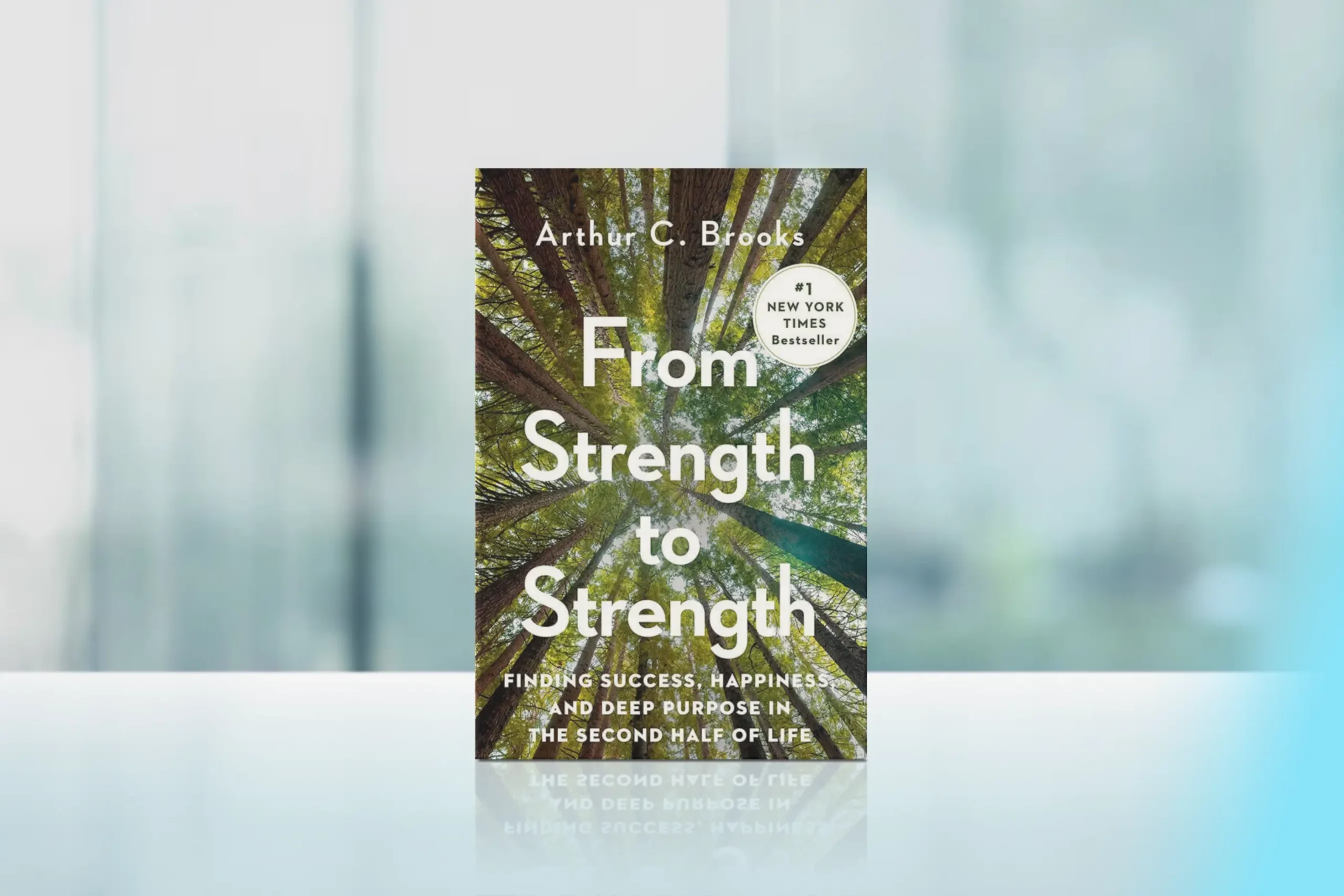
Why it’s important: Researcher Arthur Brooks, in “From Strength to Strength,” found that people who shift their definition of success from achievement to contribution and connection report higher life satisfaction later in life. Redefining success protects you from the emptiness that chasing applause can leave behind.
Try this: At the end of each day, rate your peace of mind, not your output.
5 Signs You’re Not Living Your Purpose
Drifting from purpose is just as quiet as living it, which is exactly why it’s easy to miss.
These five signs tend to build slowly, disguised as a busy schedule or a string of solid decisions. Catching them early makes realigning far easier.

1. You’re Constantly Waiting for “Someday”
The trip, the career change, the hard conversation: it’s always parked in some future “someday” that never quite arrives. Meanwhile, you’re going through the motions of today.
Why it’s important: Bronnie Ware’s research with hospice patients, published in “The Top Five Regrets of the Dying,” found that the most common regret was not living true to oneself rather than the life others expected. Waiting has a cost, and it compounds quietly.
Try this: Pick one “someday” item and take the smallest possible step this week.
2. Success Feels Empty
You hit the goal. You got the title, the sale, the recognition. And then, what now? If achievement keeps arriving without satisfaction attached, that’s worth paying attention to.
Why it’s important: Psychologists Philip Brickman and Donald Campbell’s research on “hedonic adaptation” shows humans quickly return to baseline happiness after most achievements, no matter how big. Chasing more of the same rarely fixes an empty win.
Remember: An empty win is information, not a reason to chase a bigger one.
3. You Regularly Ignore Your Intuition
Have you ever known something wasn’t right, and did it anyway? That gap between knowing and acting is one of the clearest signs of misalignment.
Why it’s important: Psychologist Gerd Gigerenzer’s research on intuitive decision-making shows that gut instinct often reflects pattern recognition your conscious mind hasn’t caught up to yet. Rationalizing it away disconnects you from real-time feedback about your own life.
Try this: The next time your gut says no, sit with it for 24 hours before overriding it. Ignoring your intuition once is human. Making it a habit is the actual warning sign.
4. You’re Living Someone Else’s Expectations
Family expectations, cultural scripts, social media comparison: they all quietly hand you a version of “success” that was never really yours to begin with.
Why it’s important: Researcher Brené Brown’s work on authenticity, detailed in “The Gifts of Imperfection,” found that people who consistently perform for others’ approval report lower self-worth and more anxiety over time. Reclaiming your own voice starts with noticing whose script you’re reading from.
Quick tip: Ask yourself, “would I still want this if no one were watching?”
5. Your Life Feels Like Continuous Survival
There’s a difference between being busy and being engaged. If every day feels like just getting through it (inbox to inbox, task to task), you may be existing rather than living.
Why it’s important: Psychologist Abraham Maslow’s hierarchy of needs suggests that purpose and meaning only fully emerge once survival-level stress eases enough to make room for them. Recognizing you’re stuck in survival mode is the first step toward creating that room.
Try this: Block 20 minutes this week for something with zero productivity purpose, just because it matters to you.
Purpose is a Daily Practice
Purpose was never something you find once and keep forever; it’s something you practice, re-check, and rebuild in small moments, day after day.
Some weeks you’ll feel every sign of alignment. Other weeks will feel like pure survival, and that’s normal too. What matters most is noticing the pattern honestly, rather than waiting for a dramatic life overhaul to fix it. Small, consistent realignments add up to a life that feels like yours.
- Pick one sign from this list that hit closest to home
- Choose a single small action to try this week
- Block 20 minutes of undistracted time to reflect honestly
- Tell one trusted person what you’re realigning and why
- Revisit this list again in a month to check your progress
You don’t need to overhaul your life this week. You just need to take one honest step in the right direction, and trust that the next one will get a little easier.
Related Articles:
Discovering Your Life’s Purpose: Step-by-Step Guide
A clear, guided process for uncovering your true purpose.
Finding Your “Why”: Exercises to Uncover Your Life Purpose
Practical exercises to help you uncover your life’s why.
10 Powerful Questions to Discover Your Life’s Purpose
Ten reflective questions to help you discover your purpose.
The Purpose Audit: 30 Questions to Uncover Your ‘Why’
Thirty questions to audit and clarify your true why.
Who Am I? 15 Self-Discovery Prompts to Find Your Purpose
Fifteen prompts for deeper self-discovery and purpose clarity.
Further Reading:
“Man’s Search for Meaning” by Viktor Frankl
Explores how meaning sustains us through life’s hardest moments.
“From Strength to Strength” by Arthur C. Brooks
Redefines success around contribution instead of constant achievement.
“The Gifts of Imperfection” by Brené Brown
Guides readers toward authenticity over others’ expectations.
“Designing Your Life” by Bill Burnett and Dave Evans
Applies design thinking to build a more purposeful life.
“Drive” by Daniel H. Pink
Explains what truly motivates us beyond money and rewards.