
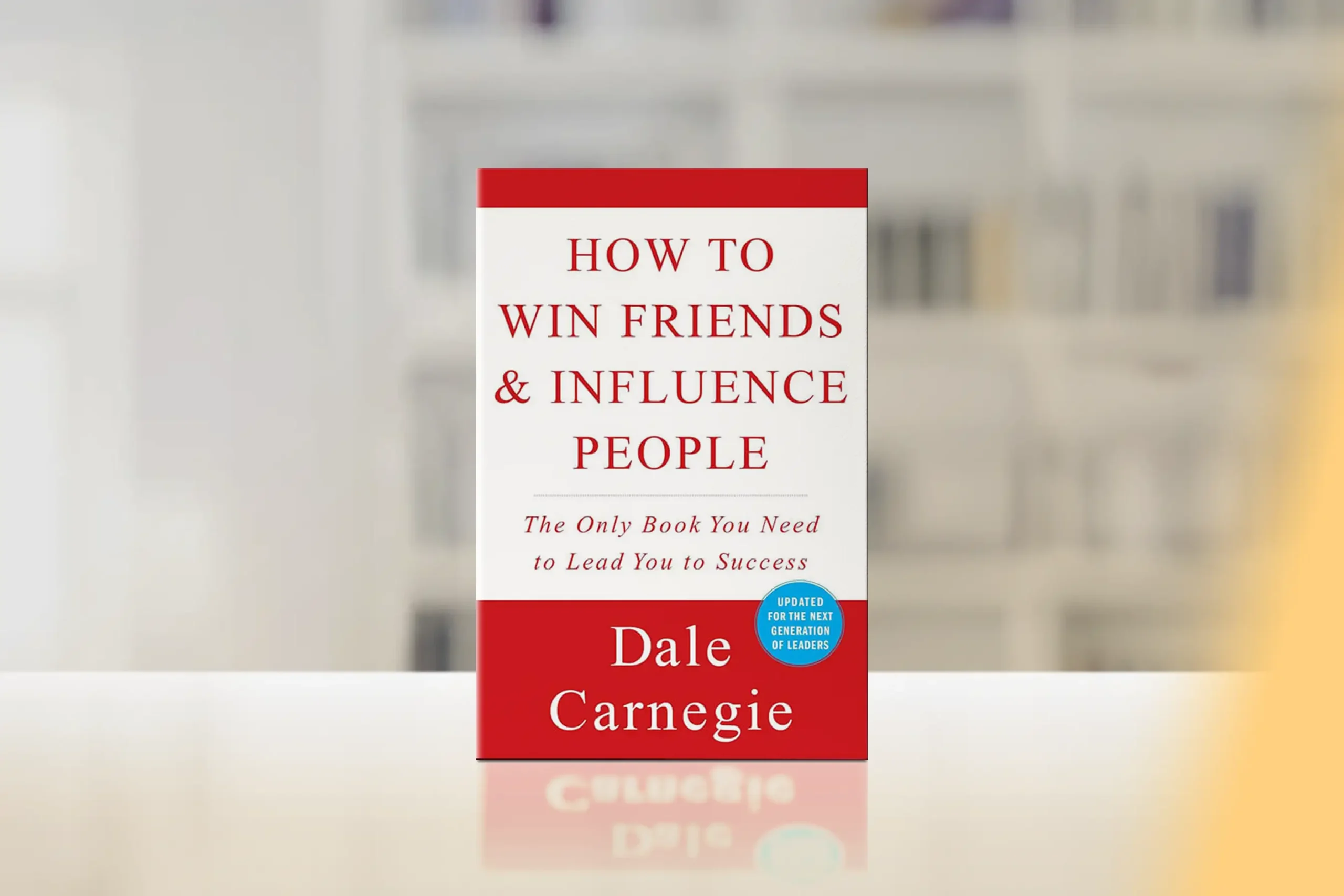
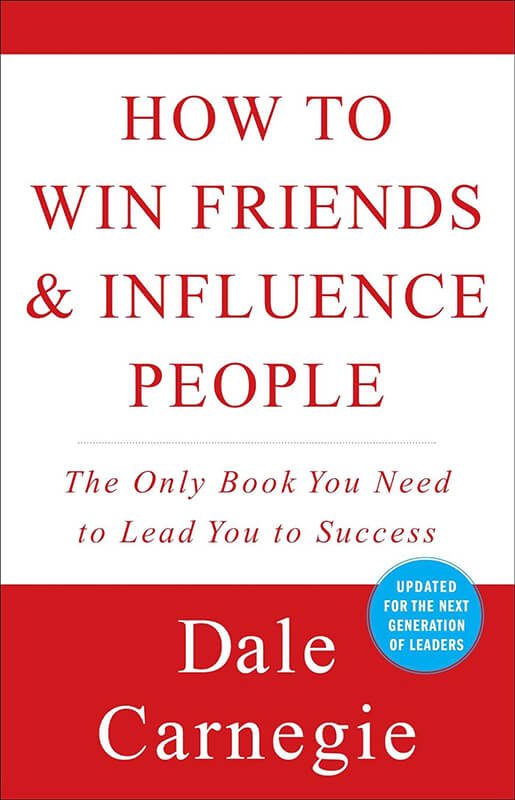
Dale Carnegie’s “How to Win Friends and Influence People” stands as a cornerstone of personal development literature. First published in 1936 and revised over the years, this timeless bestseller continues to shape the way we approach interpersonal relationships and professional success.
Carnegie’s straightforward and practical advice resonates across generations, offering readers a blueprint for improving their social skills, enhancing their leadership abilities, and achieving their goals through better human interactions.
Core Concepts
At its heart, How to Win Friends and Influence People presents a set of principles for effective communication and relationship-building:
- Fundamental Techniques in Handling People
- Six Ways to Make People Like You
- How to Win People to Your Way of Thinking
- Be a Leader: How to Change People Without Giving Offense or Arousing Resentment
These concepts form a comprehensive guide to navigating social interactions, from casual conversations to business negotiations, empowering readers to become more persuasive and likable in their personal and professional lives.
Chapter-by-Chapter Review
Part One: Fundamental Techniques in Handling People
Carnegie establishes the foundation for dealing effectively with people. He explains why criticism, condemnation, and complaints often create resistance, while genuine appreciation, empathy, and an effort to understand another person’s perspective can build cooperation. The section focuses on the motives behind human behaviour and the importance of making people feel respected.
The practical lesson is simple: understand people before trying to influence them. Replacing criticism with curiosity and appreciation can make everyday interactions more productive and less confrontational.
Part Two: Six Ways to Make People Like You
This section focuses on building stronger personal relationships. Carnegie covers practical habits such as showing genuine interest in other people, smiling, remembering names, listening attentively, and encouraging others to talk about themselves. The emphasis is on making interactions about the other person rather than constantly trying to impress them.
The takeaway is that being genuinely interested in people is often more powerful than trying to be interesting yourself. Small changes in how you listen and respond can make relationships warmer and more meaningful.
Part Three: How to Win People to Your Way of Thinking
Carnegie turns to persuasion and disagreement, offering ways to influence others without creating unnecessary conflict. He argues against winning arguments simply for the sake of being right and instead recommends beginning with areas of agreement, acknowledging mistakes, seeing things from the other person’s perspective, and presenting ideas in ways that appeal to their interests.
The lesson is that persuasion works better when people feel heard rather than defeated. The goal is not to win the argument, but to create enough common ground for the other person to consider your point of view.
Part Four: Be a Leader: How to Change People Without Giving Offense or Arousing Resentment
The final section applies Carnegie’s principles to leadership and changing behaviour. He discusses how to point out mistakes without humiliating people, give sincere praise, encourage improvement, and make people feel that the change is partly their own idea. The emphasis is on influence through encouragement rather than authority or criticism.
The practical takeaway is that people respond better when their dignity is preserved. Good leadership is less about forcing change and more about creating the conditions in which people want to improve.
Key Strengths
- Timeless principles that remain relevant in today’s digital age
- Practical, easy-to-implement advice for improving social skills
- Engaging anecdotes and real-life examples that illustrate key concepts
- Emphasis on genuine interest in others, promoting authentic relationships
- Applicable to both personal and professional settings
Potential Drawbacks
- Some readers may find the writing style dated
- Certain examples may feel less relevant to modern readers
- Critics argue some techniques could be seen as manipulative if misused
Who This Book Is For
How to Win Friends and Influence People is valuable for:
- Professionals looking to enhance their networking and leadership skills
- Individuals seeking to improve their personal relationships
- Students preparing to enter the workforce
- Anyone looking to boost their confidence in social situations
Final Review
How to Win Friends and Influence People remains a must-read for anyone looking to improve their interpersonal skills and achieve greater success in life. Dale Carnegie’s insights into human nature and communication are as relevant today as they were when first published.
While some examples may feel dated, the core principles are timeless and adaptable to modern contexts. By focusing on genuine interest in others and positive communication, Carnegie’s methods foster authentic connections rather than superficial manipulation.
Implementing the book’s strategies can lead to profound improvements in your personal and professional relationships. You’ll find yourself better equipped to navigate social situations, resolve conflicts, and inspire others.
Rating: 4.7/5
An enduring classic that offers practical, actionable advice for building meaningful relationships and achieving success through effective communication.
Alternative Books
If you are looking for alternatives to How to Win Friends and Influence People, consider these related books on communication and personal development:
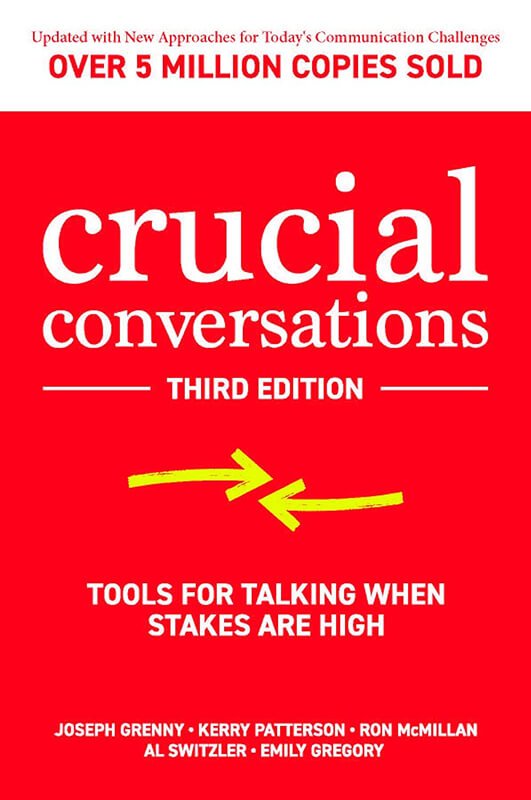
Crucial Conversations by Kerry Patterson, Joseph Grenny, Ron McMillan, and Al Switzler
Provides tools for navigating high-stakes conversations effectively.
Rating: 4.6/5

Emotional Intelligence by Daniel Goleman
Explores the importance of emotional awareness in personal and professional success.
Rating: 4.5/5

Never Eat Alone by Keith Ferrazzi
Offers modern networking strategies for building and maintaining professional relationships.
Rating: 4.5/5