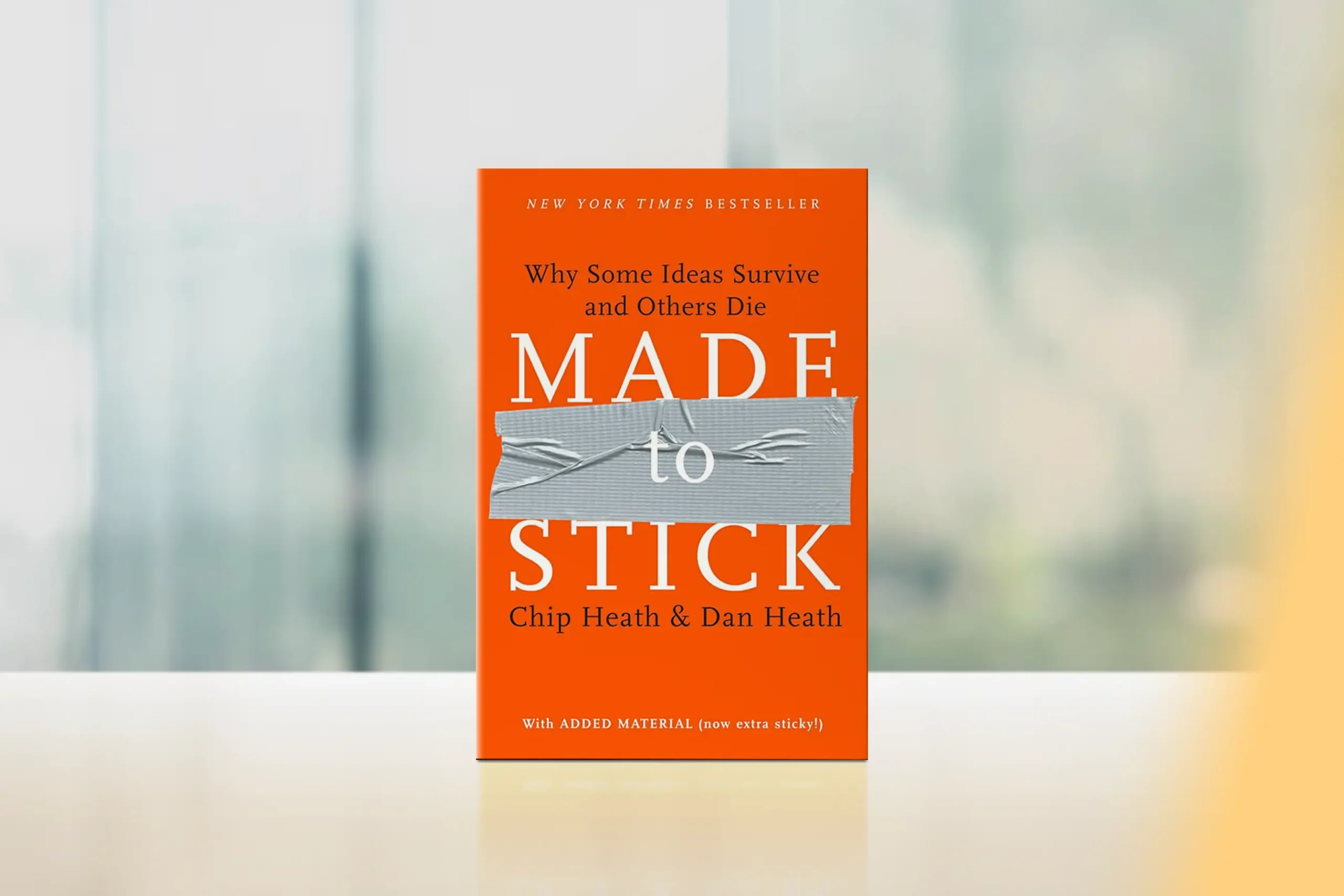
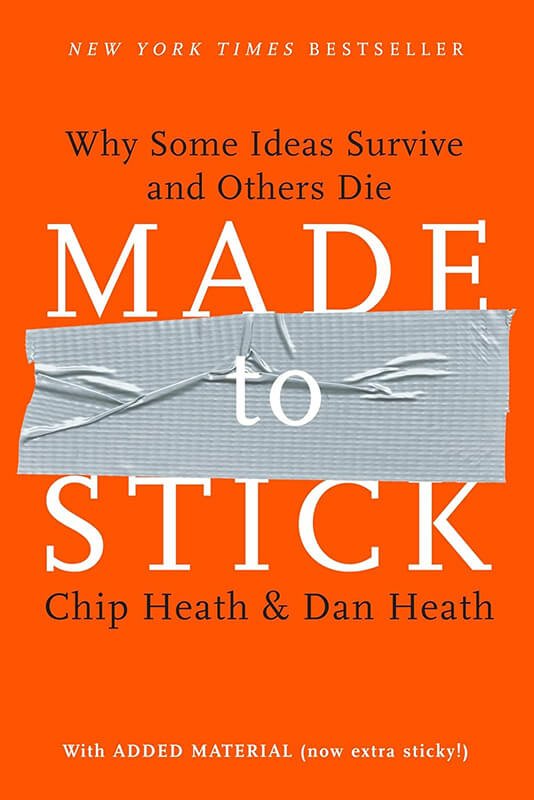
“Made to Stick: Why Some Ideas Survive and Others Die” tackles a question that’s crucial for anyone who needs to communicate effectively: Why do some ideas thrive while others die? Drawing from psychology, education, and business, Heath brothers, Chip Heath and Dan Heath, present a practical framework for making ideas memorable and impactful.
The book’s core premise is that any idea can be presented in a way that makes it “stick” if you understand and apply six key principles.
Core Concepts
The Heath brothers organize their insights around the SUCCESs framework:
- Simple – Find the core of your idea
- Unexpected – Grab attention through surprise
- Concrete – Help people understand and remember
- Credible – Help people believe
- Emotional – Make people care
- Stories – Get people to act
Chapter-by-Chapter Review
Chapter 1: Simple
The Heath brothers begin with the idea that a message becomes more powerful when it is reduced to its essential core. Simplicity does not mean making an idea shallow; it means identifying what matters most and removing everything that competes with it. They introduce the idea of “commander’s intent”—the ability to communicate the most important objective without prescribing every detail—and show how this helps ideas survive when passed from one person to another.
Chapter 2: Unexpected
Unexpected ideas break patterns and capture attention. The authors explain that people become curious when something violates what they thought they knew, creating a “knowledge gap” that makes them want to find out more. They use examples such as effective advertising and teaching to show how surprise can make an otherwise ordinary message memorable.
Chapter 3: Concrete
Abstract language makes ideas difficult to understand and easy to forget. Concrete ideas, by contrast, allow people to see, feel, or imagine what is being discussed. The authors use examples from business, education, and everyday communication to show how specific details and tangible comparisons can make even complicated concepts easier to grasp.
Chapter 4: Credible
People will not remember or act on an idea they do not believe. The authors examine several ways to establish credibility, including trusted authorities, statistics, vivid examples, and what they call “testable credentials”—details that allow people to evaluate a claim for themselves. They also show why excessive statistics can sometimes make a message less convincing rather than more convincing.
Chapter 5: Emotional
Information becomes more powerful when people have a reason to care about it. The authors explore how to connect ideas to people’s interests, identities, aspirations, and emotions rather than relying solely on facts. They also discuss the danger of presenting people as statistics, showing how individual stories can create a stronger emotional response.
Chapter 6: Stories
Stories provide a natural way to combine many of the principles in the book. They make ideas concrete, emotional, and memorable while showing people how to respond to situations rather than simply telling them what to do. The authors identify useful story patterns, including the challenge, the connection, and the creative problem-solving story.
Conclusion: Making Ideas Stick
The book brings the six principles together into the SUCCESs framework: Simple, Unexpected, Concrete, Credible, Emotional, and Stories. The authors emphasise that a message does not need to use every principle perfectly, but deliberately applying several of them can dramatically improve the chances that an idea will be remembered and shared.
Key Strengths
- Clear, practical framework that’s immediately applicable
- Abundant real-world examples that illustrate each principle
- Memorable format that practices what it preaches
- Strong research foundation while remaining accessible
- Useful chapter summaries and idea clinics
Potential Drawbacks
- Some examples may feel dated
- Can seem formulaic if applied too rigidly
- May oversimplify complex communication challenges
Who This Book Is For
This book is particularly valuable for:
- Leaders and managers who need to communicate vision effectively
- Teachers and trainers looking to make lessons more memorable
- Marketers and communicators seeking to improve message impact
- Anyone who needs to present ideas persuasively
Final Review
“Made to Stick” is a masterclass in effective communication that practices what it preaches. The Heath brothers have created a practical, memorable framework that can transform how you present ideas. While some might find the approach prescriptive, the principles are flexible enough to apply across various contexts.
The book’s enduring relevance in today’s fast-paced communication landscape speaks to the fundamental nature of its insights. What sets this book apart is not just its comprehensive framework, but how seamlessly it demonstrates its own principles throughout its pages, making the learning experience both engaging and memorable.
Rating: 4.6/5
A essential guide that will transform how you communicate ideas, backed by research and proven through practice.
Alternative Books
For readers interested in exploring similar themes, consider these highly-rated alternatives:
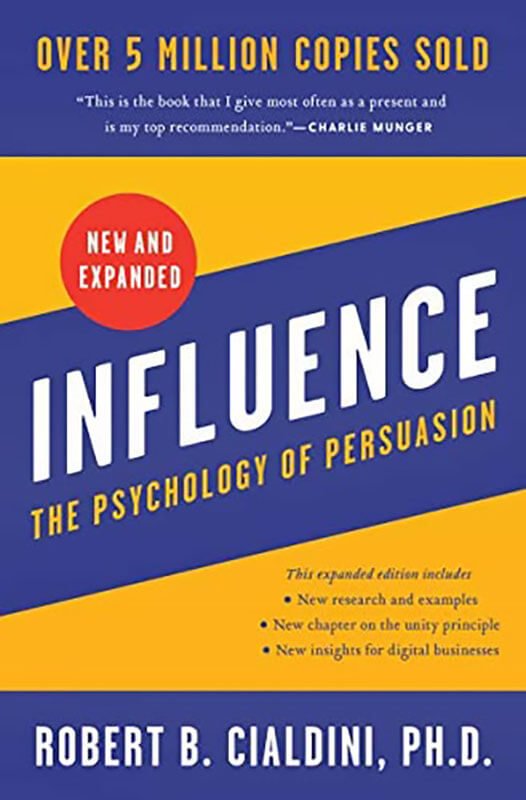
“Influence: The Psychology of Persuasion” by Robert B. Cialdini
A deep dive into the psychology of why people say “yes” and how to apply these insights ethically.
Rating: 4.6/5
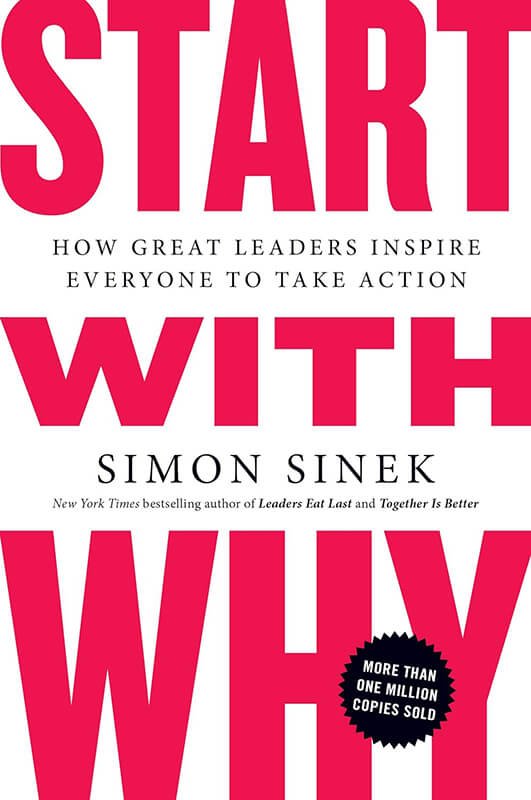
“Start with Why” by Simon Sinek
Explores how great leaders inspire action through the power of purpose and communication.
Rating: 4.5/5
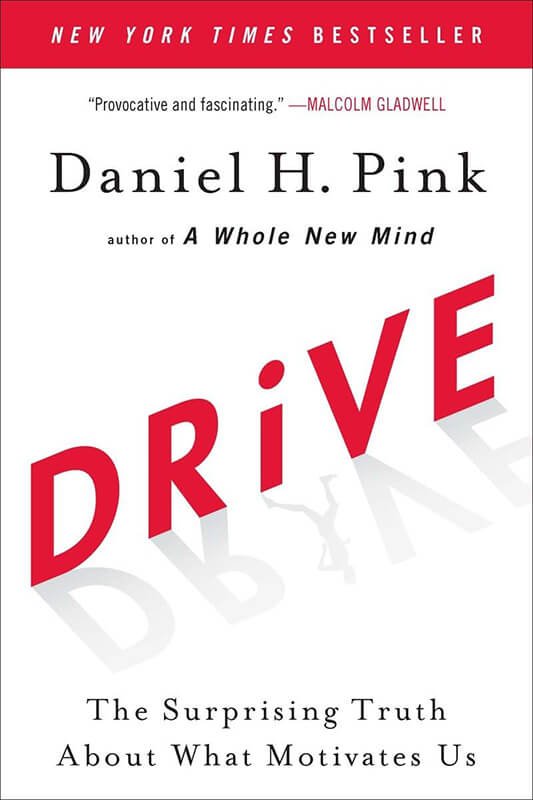
“Drive: The Surprising Truth About What Motivates Us” by Daniel H. Pink
Examines what makes ideas and messages compelling from a motivation perspective.
Rating: 4.4/5