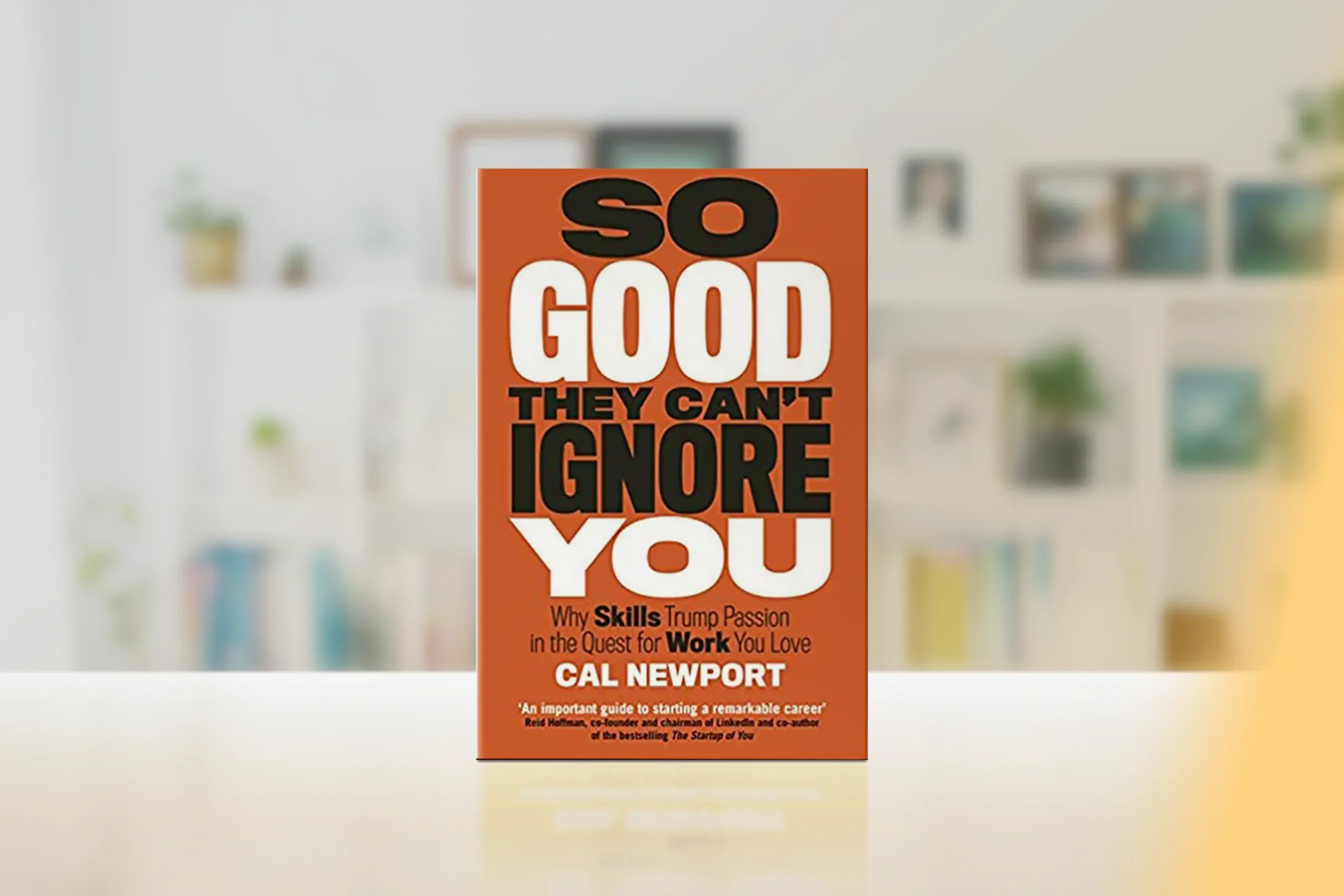
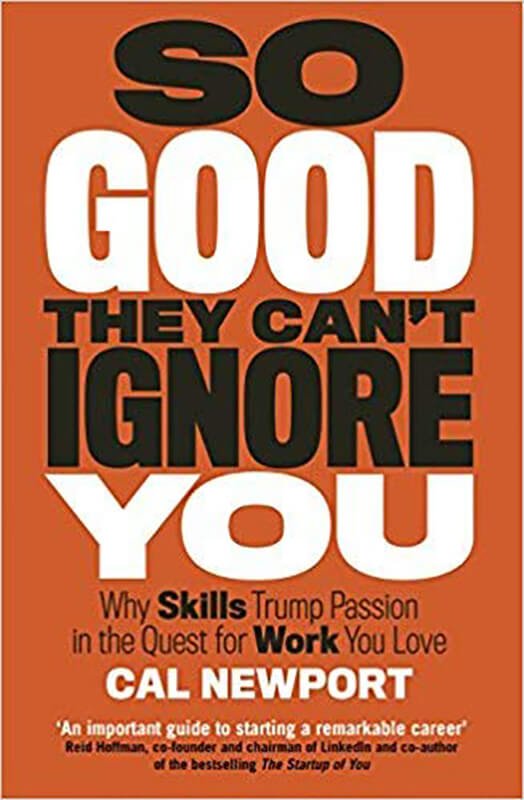
In a world obsessed with “following your passion,” Cal Newport’s “So Good They Can’t Ignore You” offers a refreshing and practical alternative. Published in 2012, this groundbreaking book challenges the conventional wisdom about career success and presents a compelling argument for developing rare and valuable skills as the key to a fulfilling work life.
Newport’s research-backed approach provides readers with a roadmap to building a career they love, not by following their passion, but by becoming so good they can’t be ignored.
Core Concepts
Newport’s career philosophy revolves around several key principles:
- The “passion hypothesis” is flawed and potentially dangerous
- Career satisfaction comes from developing rare and valuable skills (career capital)
- Adopt a “craftsman mindset” rather than a “passion mindset”
- Use deliberate practice to rapidly improve your skills
- Gain career control by leveraging your career capital
These concepts aim to empower readers to take control of their career development, focusing on skill acquisition and value creation rather than chasing elusive passions.
Chapter-by-Chapter Review
Chapter 1: The “Passion” of Steve Jobs
Newport challenges the popular advice to “follow your passion,” arguing that passions are often developed rather than discovered. Using Steve Jobs as an example, he introduces the idea that valuable careers are built through the skills and experience gained over time.
Chapter 2: Passion Is Rare
Newport examines why the advice to find your passion is often unhelpful. Most people do not begin their careers knowing what they are passionate about, and passion tends to emerge after developing competence and gaining control over meaningful work.
Chapter 3: Passion Is Dangerous
Following passion without considering whether you have valuable skills can lead to unrealistic expectations and dissatisfaction. Newport argues that focusing first on what you can offer the world is a more reliable way to build a fulfilling career.
Chapter 4: The Clarity of the Craftsman
Newport introduces the craftsman mindset, which focuses on what you can offer rather than what a job can offer you. Deliberately developing rare and valuable skills creates career capital—the foundation for gaining more control over your working life.
Chapter 5: The Power of Career Capital
Career capital is the collection of skills and abilities that make you valuable and difficult to replace. Newport explains how deliberately building this capital can eventually give you access to better opportunities, greater autonomy, and more satisfying work.
Chapter 6: The Career Capital Theory of Great Work
Newport explores how career capital can be exchanged for valuable traits such as control, flexibility, and interesting work. The key is to first become so good that you have something genuinely valuable to trade.
Chapter 7: Becoming a Craftsman
This chapter focuses on deliberate practice and the process of continually improving your abilities. Newport encourages a systematic approach to developing skills, seeking feedback, and deliberately working at the edge of your current capabilities.
Chapter 8: The Importance of Control
Control over what you do, when you do it, and how you work is one of the most valuable aspects of a great career. Newport argues that career capital gives you the leverage to negotiate for greater autonomy.
Chapter 9: The First Control Trap
More control can make work more satisfying, but asking for autonomy before you have enough career capital can make you less valuable rather than more. Newport explains why control should generally be earned before it is demanded.
Chapter 10: The Second Control Trap
Even when you have valuable skills, gaining independence can create new problems. Newport explores the importance of ensuring that your desire for control is supported by something valuable that other people are willing to pay for.
Chapter 11: The Importance of Mission
Newport introduces mission as another ingredient of meaningful work. A strong mission gives your career direction and can turn valuable skills and autonomy into work that has a larger purpose.
Chapter 12: Missions Require Career Capital
A compelling mission is not enough on its own. Newport argues that you need substantial career capital before attempting to build a career around a mission, because valuable skills provide the credibility and leverage needed to make the mission viable.
Chapter 13: Missions Require Little Bets
Rather than making a dramatic career leap based on an idea, Newport recommends testing possible directions through small experiments. These “little bets” provide feedback about what works before committing significant time or resources.
Chapter 14: Missions Require Marketing
A good idea still needs an audience. Newport explains the importance of generating attention, demonstrating value, and using small projects to test whether an idea resonates with the people you hope to reach.
Conclusion: The Career Craftsman
Newport brings the argument together around four ideas: don’t blindly follow passion, build career capital through rare and valuable skills, use that capital to gain control, and eventually apply it toward a meaningful mission. The broader message is that fulfilling careers are usually constructed through deliberate effort rather than discovered fully formed.
Key Strengths
- Challenges popular but potentially harmful career advice
- Provides a practical, actionable approach to career development
- Backed by research and real-world case studies
- Offers a refreshing perspective on finding work you love
- Emphasizes the importance of continuous skill development
Potential Drawbacks
- May be disheartening for those deeply attached to the “follow your passion” mindset
- Some readers might find the focus on skill development over innate interests challenging, particularly in creative fields where passion often fuels work (e.g., artists, writers, or musicians). Newport’s approach may feel overly pragmatic to those who value creativity and emotional connection in their careers.
Who This Book Is For
“So Good They Can’t Ignore You” is an invaluable resource for a wide range of individuals looking to build a satisfying and successful career. It’s particularly well-suited for:
- Recent graduates entering the job market
- Mid-career professionals feeling stuck or unfulfilled
- Entrepreneurs looking to differentiate themselves in their field
- Anyone questioning the “follow your passion” career advice
- Creative professionals willing to explore skill development as a pathway to success in their field
Final Review
“So Good They Can’t Ignore You” is a game-changing book that has the power to transform how you approach your career and professional development. Newport’s evidence-based approach and clear writing style make complex career strategies accessible and actionable. By shifting focus from finding your passion to developing valuable skills, you can create a career that’s not only successful but deeply satisfying.
While the book’s message may initially feel counterintuitive, especially if you’ve long subscribed to the “follow your passion” mantra, Newport’s arguments are compelling and well-supported. That said, certain fields—particularly creative professions—may require a more balanced approach that includes both skill development and passion, as these industries often blend intrinsic motivation with external value.
The practical strategies for skill development and career advancement make this book an invaluable tool for anyone looking to thrive in today’s competitive job market.
Rating: 4.5/5
An essential reading for anyone seeking to build a fulfilling career based on skill, value, and continuous growth rather than elusive passions.
Alternative Books
If you found “So Good They Can’t Ignore You” insightful, consider exploring these related books that offer complementary perspectives on career development and personal growth:
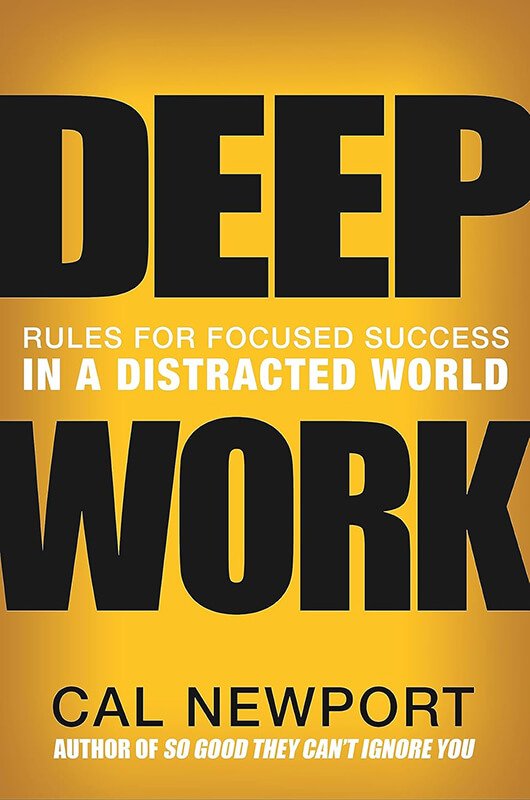
Deep Work by Cal Newport
Explores the value of focused, distraction-free work in a world of constant interruptions, providing strategies to cultivate this crucial skill.
Rating: 4.5/5
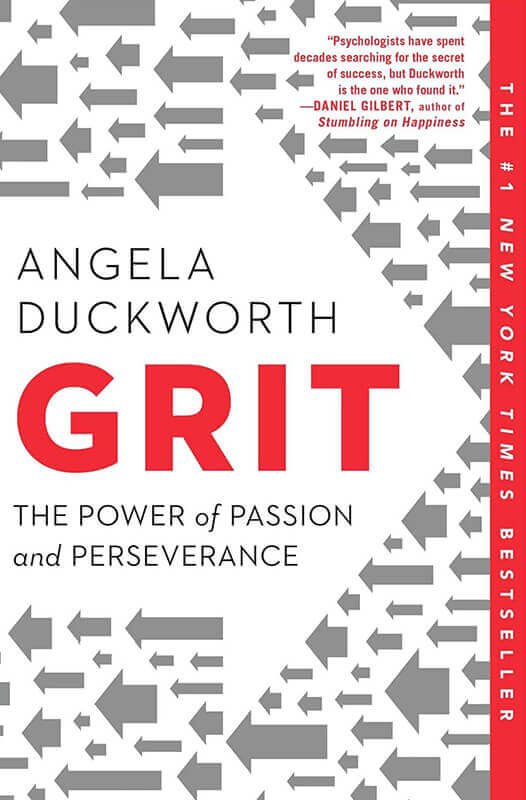
Grit by Angela Duckworth
Explores how passion and perseverance can drive long-term success and mastery in any field.
Rating: 4.7/5
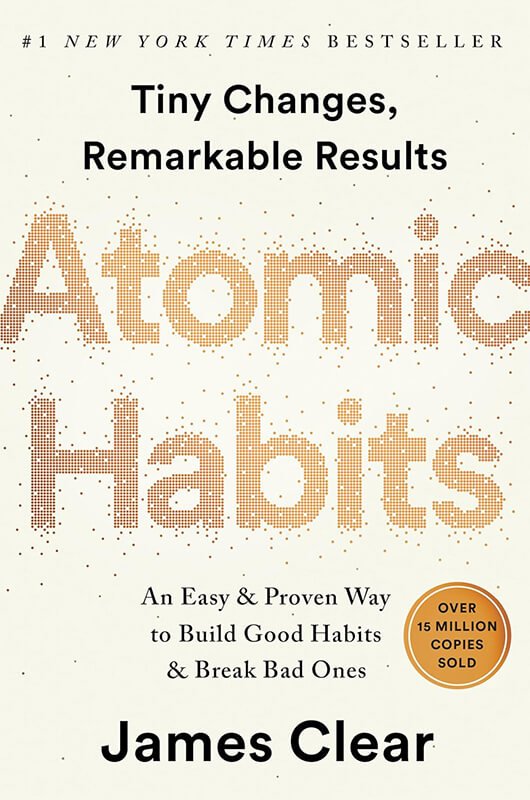
Atomic Habits by James Clear
Offers a powerful framework for building lasting habits that contribute to skill development and success over time.
Rating: 4.8/5