
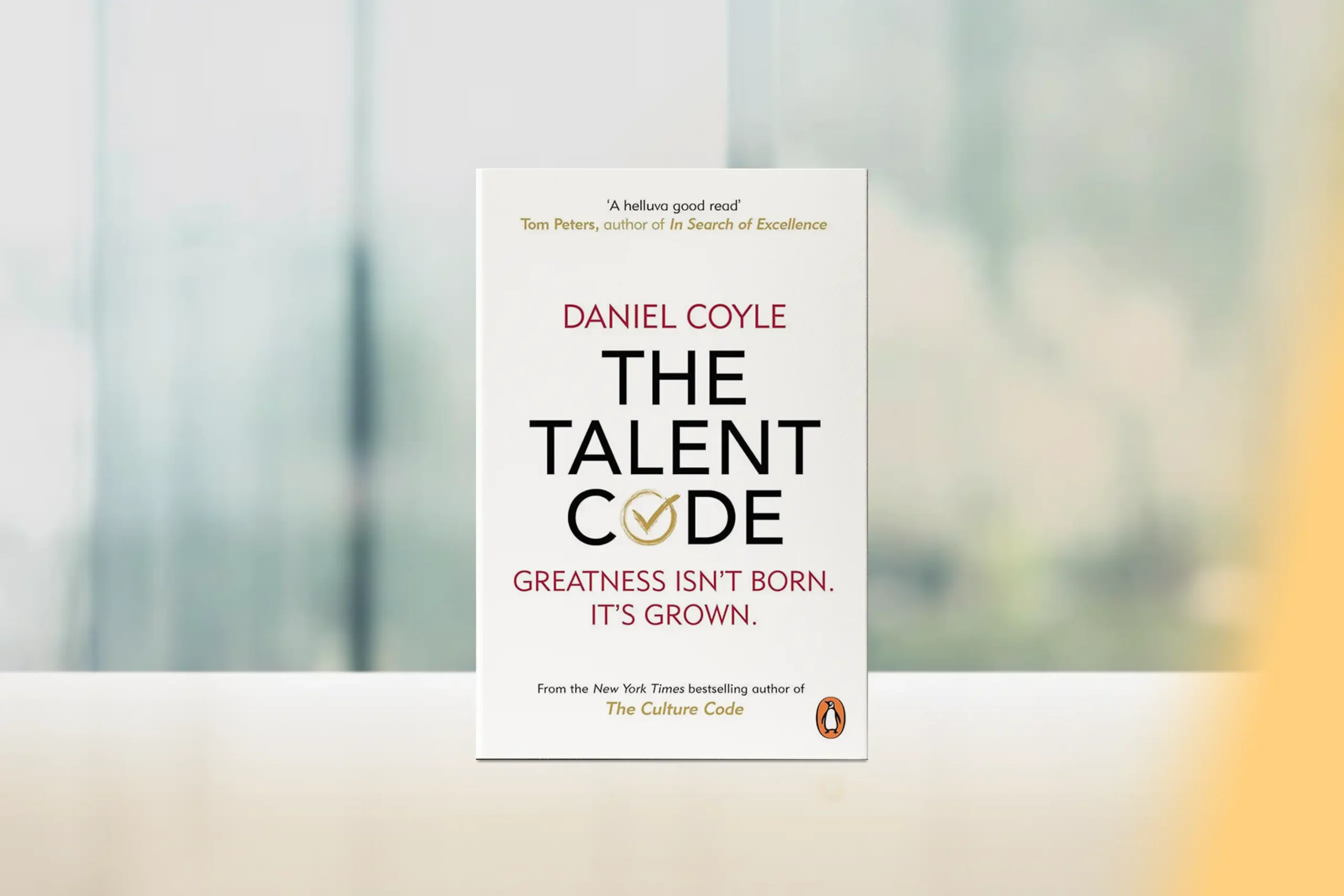
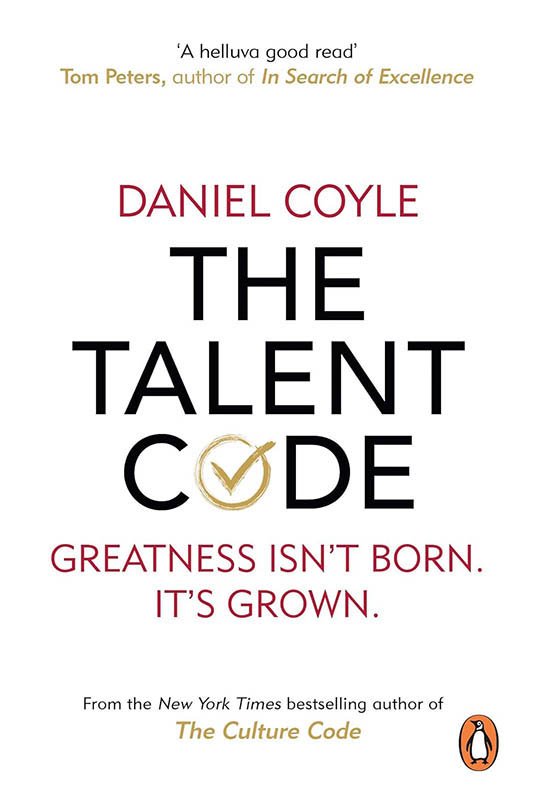
In “The Talent Code: Greatness Isn’t Born. It’s Grown. Here’s How.,” Daniel Coyle takes us on a fascinating journey into the science of skill development and excellence. Published in 2009, this groundbreaking book challenges the conventional wisdom about talent by revealing how greatness isn’t born but grown through specific, deliberate patterns of practice and learning.
Coyle’s research spans across various talent hotbeds worldwide, from Brazilian soccer fields to Russian tennis courts, uncovering the universal principles that drive exceptional performance.
Core Concepts
“The Talent Code” revolves around three fundamental elements that Coyle identifies as the keys to developing exceptional talent:
- Deep Practice: A specific type of practice that involves operating at the edges of your ability, making mistakes, and correcting them
- Ignition: The motivational forces that spark and sustain long-term commitment
- Master Coaching: The specific techniques and approaches used by highly effective teachers and mentors
These elements work together through the biological process of myelin formation – the brain’s way of building skill circuits and making them faster and more accurate through practice.
Chapter-by-Chapter Review
Part I: Deep Practice
Chapter 1: The Sweet Spot
Coyle introduces “talent hotbeds”—small environments that consistently produce unusually high levels of performance. He argues that these places share a common approach to learning: deep practice, where people work just beyond their current abilities, make frequent mistakes, and immediately correct them.
Chapter 2: The Deep Practice Cell
This chapter explains the neuroscience behind skill development. Coyle focuses on myelin, a substance that strengthens neural circuits through repeated, targeted practice. The better the repetition and feedback, the more effectively the relevant circuits are developed.
Chapter 3: The Brontës, the Z-Boys, and the Renaissance
Coyle uses examples ranging from the Brontë sisters to the Z-Boys skateboarders to show how intense, self-directed practice can produce exceptional ability. He also looks at historical clusters of creativity and talent, where people benefit from being surrounded by others working toward similar goals.
Chapter 4: The Three Rules of Deep Practice
Coyle turns deep practice into three practical ideas: break skills into small pieces, repeat them carefully, and learn to recognise mistakes and correct them. The emphasis is on slowing down, focusing on weaknesses, and treating errors as useful information.
Part II: Ignition
Chapter 5: Primal Cues
Deep practice requires sustained motivation, and Coyle calls the force that creates this commitment “ignition.” Small social signals—role models, stories, language, and a sense of belonging—can create the feeling that a particular skill is something “people like us” do.
Chapter 6: The Curaçao Experiment
Coyle examines Curaçao’s remarkable baseball culture and shows how a small number of visible success stories can change an entire community’s expectations. When young people see someone like them succeed, the possibility becomes more believable and the motivation to practise increases.
Chapter 7: How to Ignite a Hotbed
The book moves from observation to application, exploring how environments can be designed to create stronger motivation. Relatable role models, shared identity, and compelling visions of the future can encourage people to commit deeply to improvement.
Part III: Master Coaching
Chapter 8: The Talent Whisperers
Coyle profiles exceptional coaches who notice small differences in performance and know how to respond with precise feedback. Their role is not simply to teach technique, but to identify exactly what each learner needs to work on next.
Chapter 9: The Teaching Circuit: A Blueprint
Coyle extracts common patterns from these master coaches: focused drills, precise instructions, rapid feedback, and demanding but supportive relationships. Effective coaching creates a constant loop of attempting, correcting, and trying again.
Chapter 10: Tom Martinez and the $60 Million Bet
The story of quarterback coach Tom Martinez demonstrates how master coaching can transform performance at the highest level. His approach illustrates the value of breaking complex skills into smaller movements and relentlessly refining them through targeted practice.
Epilogue: The Myelin World
Coyle brings the three elements together: deep practice builds the skill, ignition provides the motivation to keep going, and master coaching helps direct the effort. The broader message is that exceptional ability is less mysterious than it appears and can be cultivated by creating environments that encourage these three forces to work together.
Key Strengths
- Combines cutting-edge neuroscience with engaging real-world examples
- Provides actionable strategies for implementing the concepts
- Debunks common myths about talent and genius
- Offers hope and practical guidance for anyone seeking to develop skills
- Supported by extensive research and compelling case studies
Potential Drawbacks
- Some scientific concepts might be oversimplified
- Focus primarily on individual skills rather than team dynamics
- May underemphasize the role of natural predispositions
Who This Book Is For
This book is particularly valuable for:
- Coaches, teachers, and mentors seeking to understand how to develop talent effectively
- Parents interested in supporting their children’s skill development
- Professionals looking to accelerate their learning and improvement
- Anyone passionate about understanding the science of excellence
Final Review
“The Talent Code” offers a revolutionary perspective on skill development that’s both scientifically grounded and practically applicable. The book’s insights into deep practice, motivation, and coaching provide a clear roadmap for anyone seeking to develop expertise in any field.
Whether you’re a coach, parent, teacher, or someone passionate about personal growth, this book will fundamentally change how you think about talent and human potential.
Rating: 4.6/5
This book is an essential read for anyone serious about understanding and developing human potential.
Alternative Books
If you are looking for other books like “The Talent Code”, consider these alternatives:
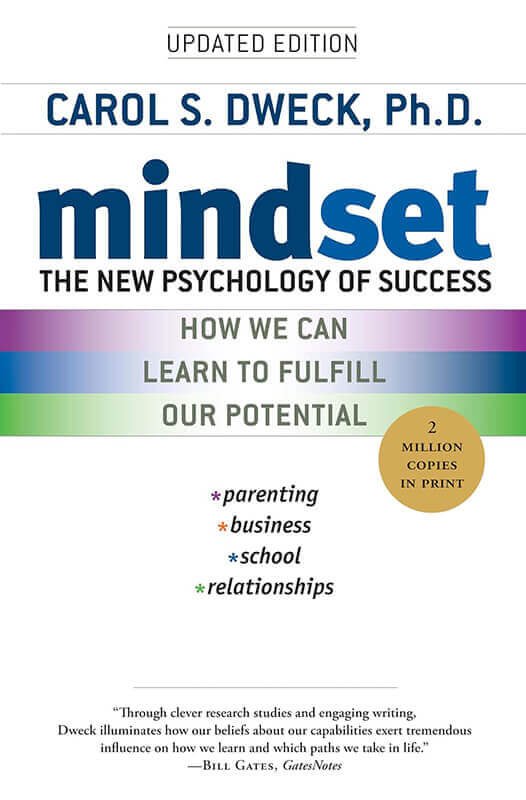
“Mindset: The New Psychology of Success” by Carol S. Dweck
A complementary exploration of how our beliefs about abilities affect our success and learning.
Rating: 4.6/5
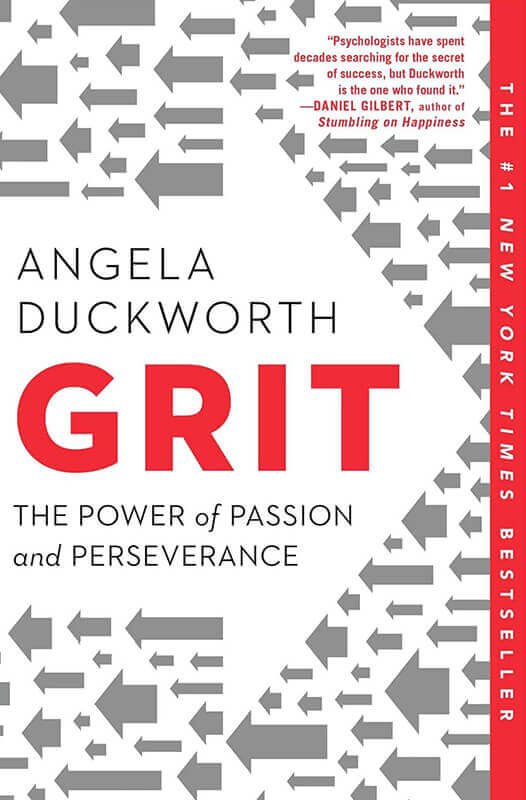
“Grit: The Power of Passion and Perseverance” by Angela Duckworth
Examines the role of persistence and deliberate practice in achieving long-term goals.
Rating: 4.6/5
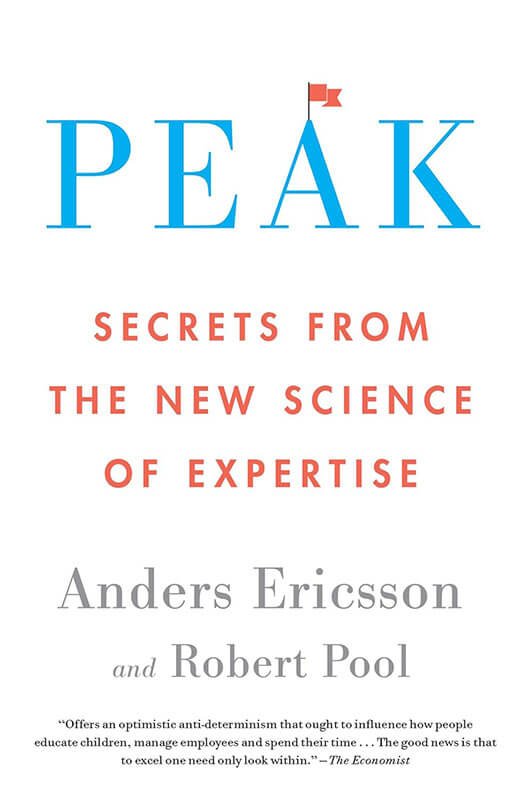
“Peak: Secrets from the New Science of Expertise” by Anders Ericsson
A deep dive into the science of deliberate practice and expert performance.
Rating: 4.5/5