
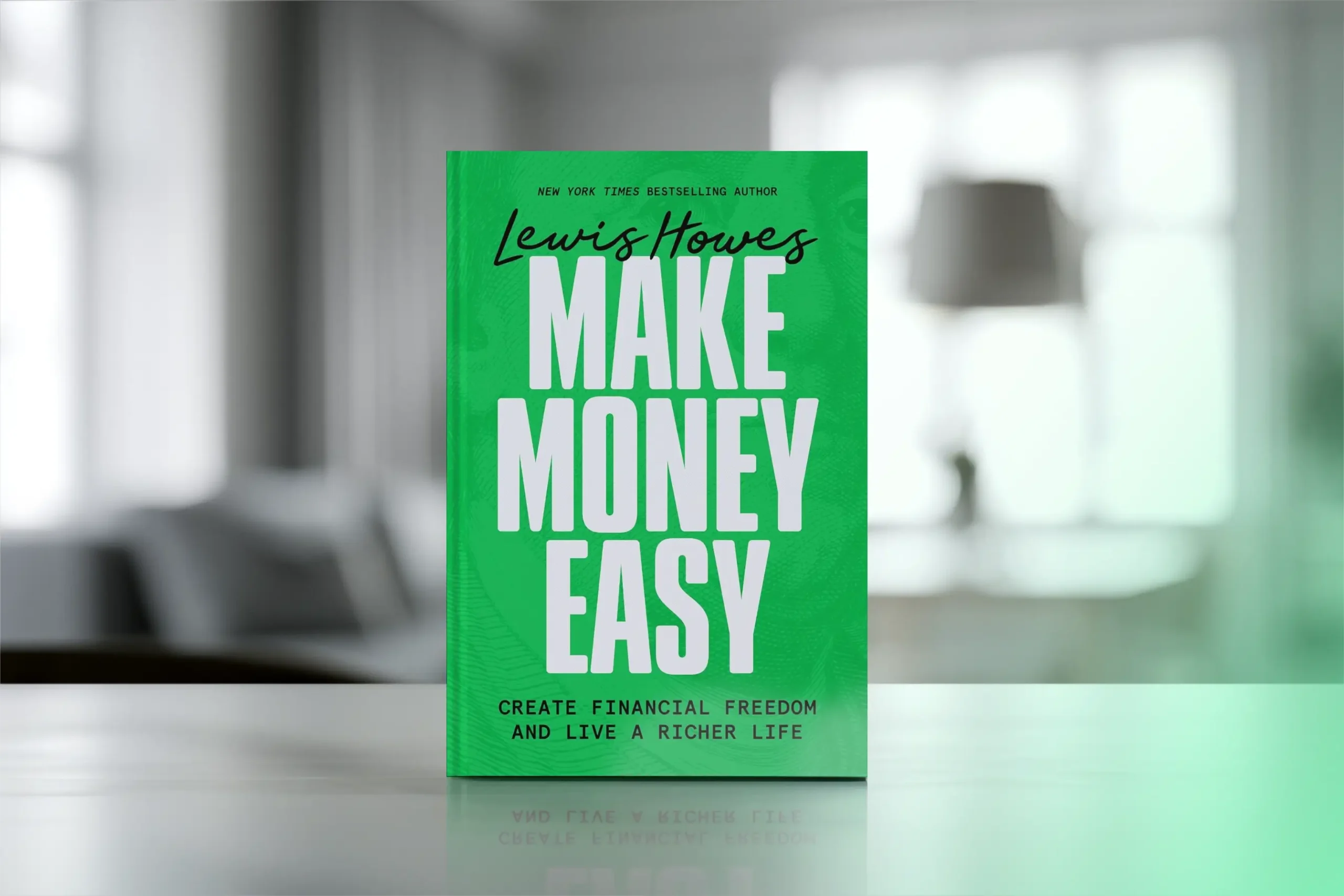
Lewis Howes‘s “Make Money Easy” argues that your mindset about money is the biggest barrier to financial freedom. It introduces a seven-habit framework to help you change both how you think about money and your financial results.
Howes the 2x New York Times bestselling author, draws on insights from his podcast The School of Greatness and years of interviews with top performers, Howes focuses on the idea that real financial change starts from within.
Core Concepts
The book introduces several key ideas that form the foundation of Lewis Howes’s theory:
- Your Money Style: A self-assessment framework for identifying your unique financial personality. Beliefs, fears and patterns that shape every money decision you make, often without your awareness.
- The Meaningful Mission: Connecting your money mindset to a clear, purpose-driven financial vision. The “why” that sustains action when motivation fades and strategy alone is not enough.
- The 7 Money Habits: Sequential framework (Mindset, Mapping, Monetizing, Mastermind, Mobility, Magnetic, Mastery). Each habit builds on the last to create lasting financial transformation.
- Internal Before External: The core premise that financial strategies consistently fail not because they are wrong, but because they are applied to an unchanged relationship with money.
- Monetizing Your Existing Skills: A practical approach to identifying and converting your current expertise and strengths into income streams that don’t require starting from zero.
Howes is clear that “easy” in the title means aligned and sustainable — not instant or effortless. The book is built on the premise that money flows most readily toward those whose internal relationship with it is healthy and intentional.
Chapter-by-Chapter Review
Early Chapters: Your Money Style and the Money Problem
The book opens by introducing Your Money Style, a framework for identifying the subconscious beliefs and emotional patterns that shape financial behaviour. Howes argues that people often follow similar financial advice but achieve different outcomes because their internal relationship with money differs.
The central idea is that financial failure is rarely technical — it is behavioural and psychological. Before introducing any strategies, the book focuses on uncovering how upbringing, beliefs, and emotional responses influence money decisions in everyday life.
Core Framework: The Meaningful Mission
This section introduces the Meaningful Mission, which serves as the bridge between mindset and action. Howes argues that lasting financial change requires a clear, values-based “why” that goes beyond simple goals like saving or earning more.
Without this purpose-driven anchor, financial habits tend to break down over time. The Meaningful Mission is presented as the stabilising force that connects identity with long-term financial behaviour.
The 7 Money Habits: From Mindset to Mastery
The main body of the book is structured around seven sequential habits, each building on the last:
Habit 1: Mindset
Focuses on reshaping limiting beliefs about money and aligning identity with financial growth.
Habit 2: Mapping
Encourages full financial visibility by tracking income, expenses, assets, and debts without judgment.
Habit 3: Monetizing
Helps readers identify and convert existing skills into income-generating opportunities.
Habit 4: Mastermind
Emphasises the importance of surrounding yourself with people who elevate your financial behaviour.
Habit 5: Mobility
Focuses on building financial flexibility through diversified income and resilience structures.
Habit 6: Magnetic
Explores how reputation, credibility, and positioning attract opportunities and financial growth.
Habit 7: Mastery
Integrates all habits into a long-term practice of refinement and sustainable financial stewardship.
Together, these habits form a progression from internal awareness to external financial execution.
Closing: Beyond the Zeros
The final section reframes financial success as freedom to engage only in meaningful work rather than simply accumulating wealth. Howes connects the entire framework, from Money Style to Money Mastery, into a unified system where financial outcomes are seen as the result of internal alignment, consistent habits, and intentional action.
Key Strengths
- Strong Mindset: Clearly addresses the psychological barriers that often prevent financial progress.
- Structured Habit System: Seven-habit sequence provides a clear and easy-to-follow progression.
- Accessible and Practical: Designed for all financial levels, especially beginners and early-stage earners.
- Personal Development and Finance: Combines behavioural psychology with money strategies.
- Repeatable Framework: The system can be revisited and applied over time as circumstances change.
Potential Drawbacks
- Light on Technical Depth: Financial strategies can be high-level and lack implementation guidance.
- Broad Scope: Covers mindset, income, and investing without going deeply into any single area.
- US/UK Bias in Examples: Certain financial tools and platforms are region-specific.
Who This Book Is For
This book is a valuable resource for a wide range of readers, particularly:
- Individuals who feel stuck despite knowing basic financial strategies
- Readers who want to improve their mindset around money and behaviour
- Early-stage earners looking for a structured financial foundation
- Fans of personal development content seeking a financial application
Final Review
“Make Money Easy” stands apart from most financial books by tackling the layer they consistently skip: the internal relationship with money that determines whether any strategy actually sticks. Lewis Howes brings the same accessible, experience-grounded depth that built The School of Greatness into a global phenomenon, channelling it into a seven-habit framework that starts with self-awareness and builds outward to sustainable financial change.
Rating: 4.4/5
A practical, mindset-first financial framework, ideal for readers who suspect their internal relationship with money is the real obstacle to lasting financial change.
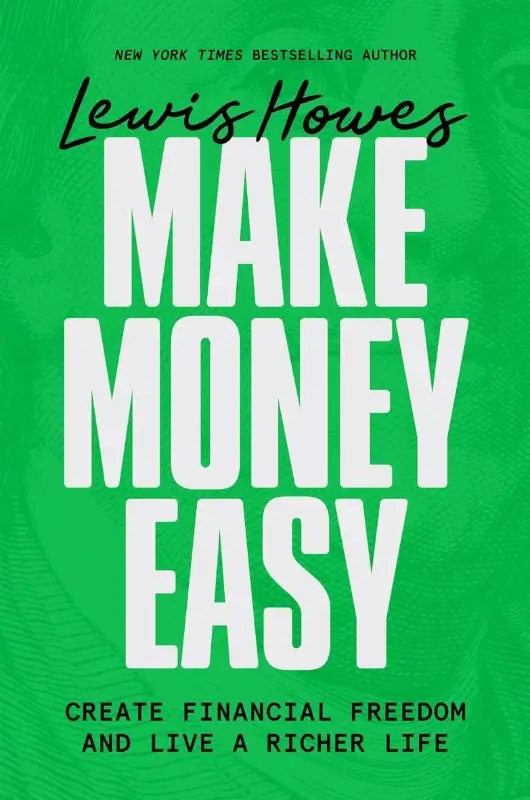
Alternative Books
Here are three alternatives to Make Money Easy book:
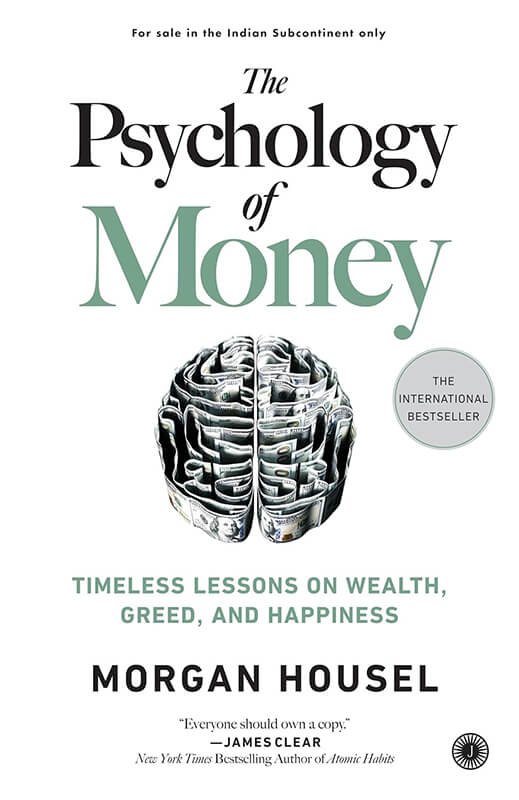
The Psychology of Money
Morgan Housel explores how our emotions, biases, and personal histories shape every financial decision we make — a perfect companion read that goes deeper on the behavioural science behind money mindset.
Rating: 4.7/5
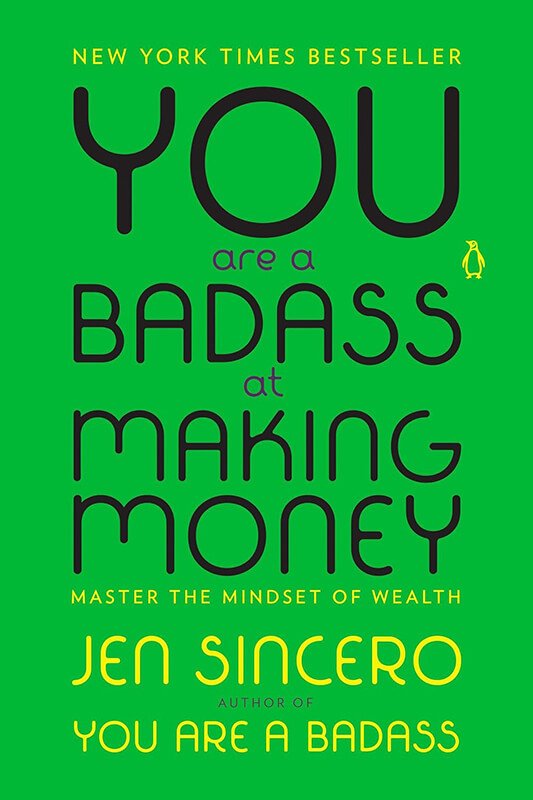
You Are a Badass at Making Money
Jen Sincero delivers a high-energy, no-excuses guide to shifting your money mindset and taking bold action toward financial abundance — ideal for readers energised by Howes’ motivational approach.
Rating: 4.7/5
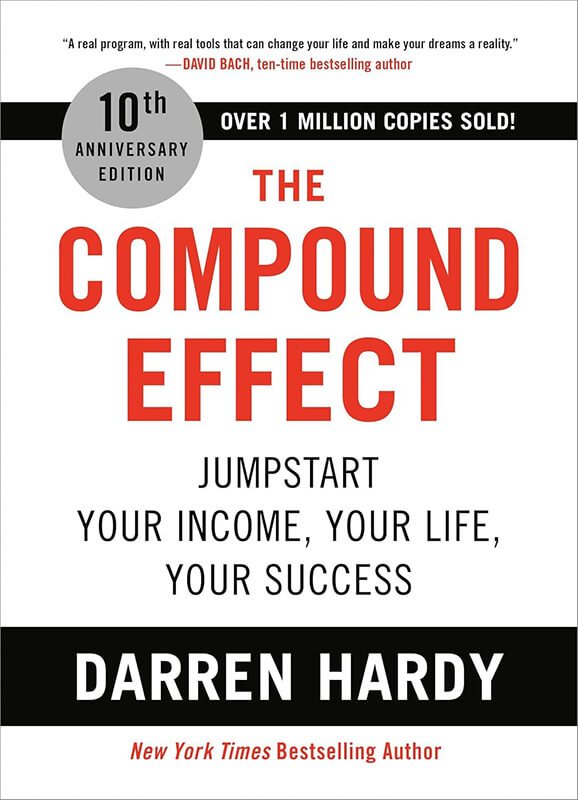
The Compound Effect
Darren Hardy shows how small, consistent choices compound over time into extraordinary financial results — the perfect action-oriented follow-up for readers ready to put Howes’ habits into sustained daily practice.
Rating: 4.7/5