
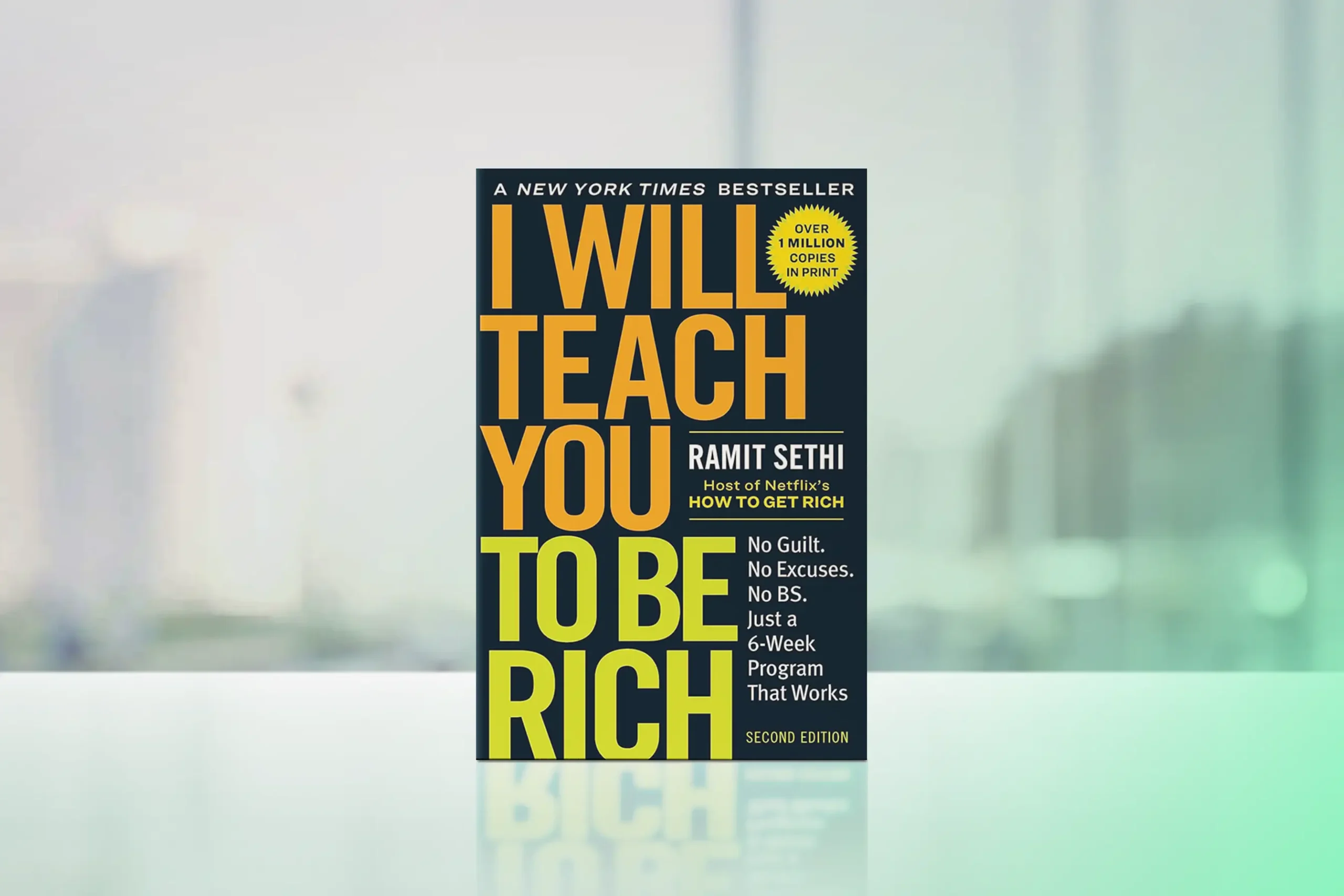
In the world of personal finance, few books have made as big a splash as Ramit Sethi’s “I Will Teach You to Be Rich.” First published in 2009 and revised in 2019, this game-changing guide has empowered countless readers to take control of their finances and build wealth on their own terms.
Sethi’s approach is refreshingly different: instead of preaching extreme frugality, he advocates for spending lavishly on the things you love while mercilessly cutting costs on what doesn’t matter to you. This core premise sets the stage for a financial journey that’s not just about numbers, but about living your richest life.
Core Concepts
Sethi’s philosophy revolves around automating your finances to align with your personal goals and values. He presents a six-week program designed to overhaul your financial life:
- Optimize your credit cards and credit score
- Set up high-interest bank accounts
- Open investment accounts
- Create a conscious spending plan
- Automate your money flow
- Invest in low-cost index funds
By following this roadmap, you’re not just saving money—you’re creating a robust financial system that works for you, freeing up your time and mental energy to focus on what truly matters in your life.
Chapter-by-Chapter Review
Chapter 1: Optimize Your Credit Cards
Sethi starts with credit cards, explaining how to choose cards intelligently, understand fees, improve your credit, and use credit responsibly. The goal is to make credit work in your favour rather than treating it as something to avoid entirely.
Chapter 2: Beat the Banks
Sethi explains how to choose better bank accounts, avoid unnecessary fees, and negotiate with banks. He encourages readers to stop accepting poor terms simply because they have always used the same bank.
Chapter 3: Get Ready to Invest
Before investing, Sethi focuses on getting the financial basics in place. He explains how to deal with debt, build savings, and understand the different types of investment accounts available.
Chapter 4: Conscious Spending
Sethi introduces his conscious spending plan as an alternative to restrictive budgeting. Instead of tracking every small purchase, the idea is to spend generously on things you value while cutting costs ruthlessly on things you do not.
Chapter 5: Save While Sleeping
Automation becomes the centre of Sethi’s financial system. He explains how to automatically move money toward savings, investments, and bills so that good financial behaviour happens without constant effort.
Chapter 6: The Myth of Financial Expertise
Sethi challenges the idea that investing needs to be complicated or that professional management is always worth the cost. He explains the advantages of low-cost, diversified investments and warns against unnecessary fees and complexity.
Chapter 7: Invest Like an Investor
Sethi brings the pieces together into a practical investing strategy. He discusses asset allocation, diversification, retirement accounts, and choosing investments that fit a long-term plan.
Chapter 8: How to Maintain Your System
Once the financial system is established, the challenge is keeping it running. Sethi explains how to review accounts, rebalance investments, and make adjustments without constantly tinkering with the plan.
Chapter 9: A Rich Life
The final chapter moves beyond financial mechanics and considers what financial success is actually for. Sethi connects money with the freedom to spend on the things that matter most while avoiding unnecessary financial stress.
Key Strengths
- Practical, step-by-step advice that’s easy to implement
- Focuses on automation to make good financial habits effortless
- Balanced approach that allows for guilt-free spending
- Actionable scripts for negotiating with banks, credit card companies, and employers
- Explains complex financial concepts in accessible, often humorous language
Potential Drawbacks
- Some advice may be more applicable to younger readers or those early in their financial journey
- The emphasis on automation might not appeal to those who prefer more hands-on money management
- Some readers might find Sethi’s tone occasionally brash or overconfident
Who This Book Is For
I Will Teach You to Be Rich is an excellent resource for a wide range of readers, but it’s particularly well-suited for:
- Young professionals just starting their financial journey
- Anyone feeling overwhelmed or confused about personal finance
- Those looking to optimize their current financial setup
- People who want to align their spending with their values while still building wealth
Final Review
Ramit Sethi’s I Will Teach You to Be Rich is a powerhouse of financial wisdom, delivering practical advice in an engaging, no-nonsense style. By following Sethi’s system, you’re not just learning about money—you’re creating a personalized financial ecosystem that supports your ideal lifestyle.
While implementing all of Sethi’s advice might seem daunting at first, the potential benefits are enormous. From optimizing your credit to automating your investments, each step brings you closer to financial freedom. The real challenge lies in changing your mindset about money, but Sethi’s approach makes this transition both achievable and exciting.
Rating: 4.5/5
This book is an essential read for anyone ready to take control of their finances and build lasting wealth.
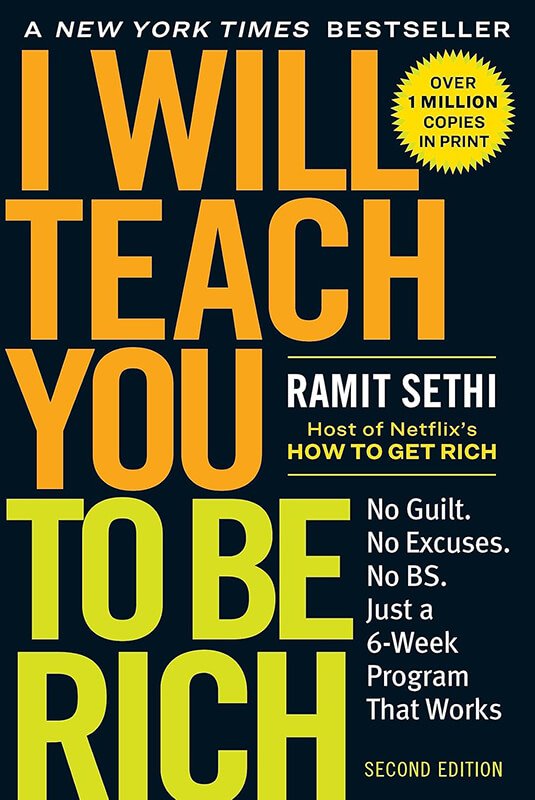
Alternative Books
If you enjoyed Sethi’s approach, consider these other excellent personal finance books:
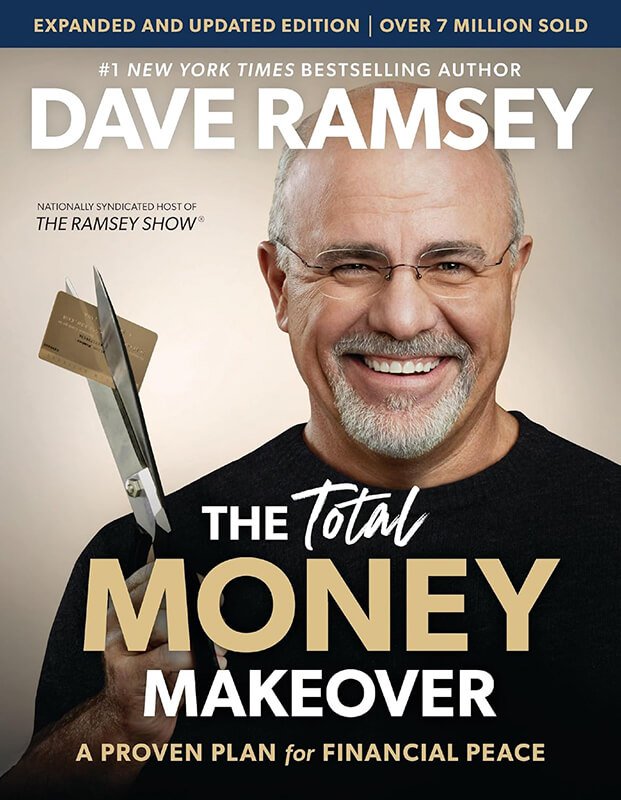
“The Total Money Makeover” by Dave Ramsey
A step-by-step guide to getting out of debt and building wealth, with a focus on financial discipline.
Rating: 4.7/5
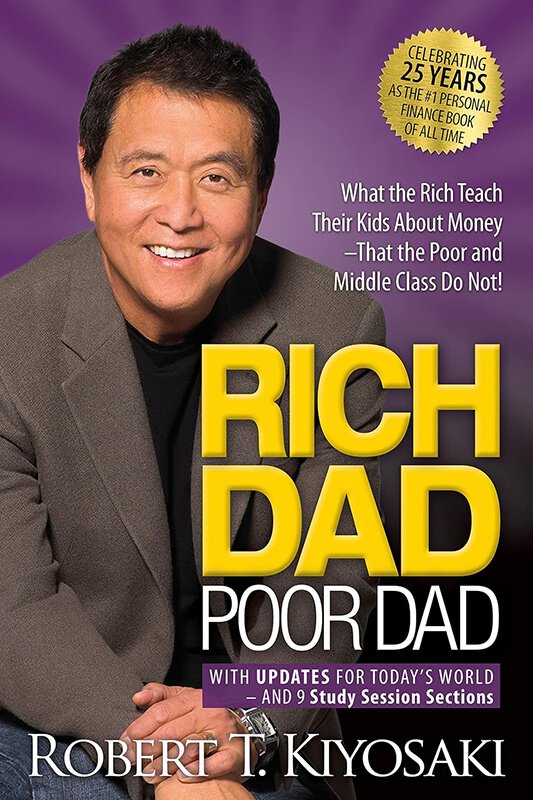
“Rich Dad Poor Dad” by Robert T. Kiyosaki
A thought-provoking look at how different mindsets about money can shape your financial future.
Rating: 4.5/5
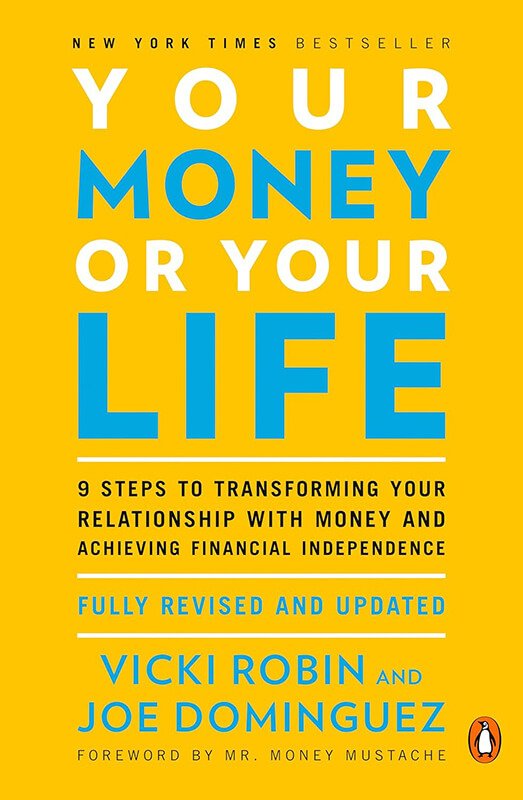
“Your Money or Your Life” by Vicki Robin and Joe Dominguez
A holistic approach to money management that ties your financial decisions to your life’s purpose.
Rating: 4.5/5