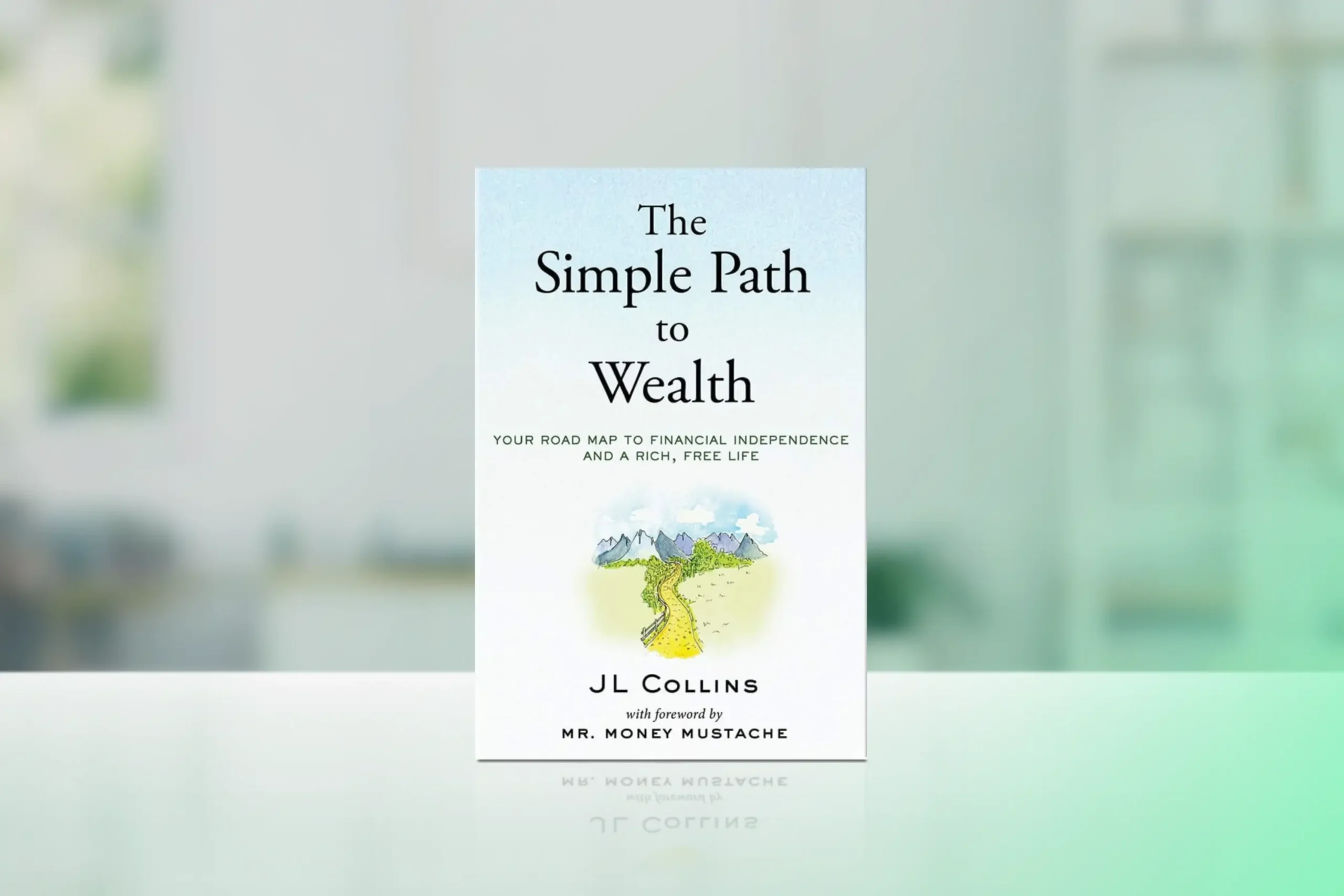
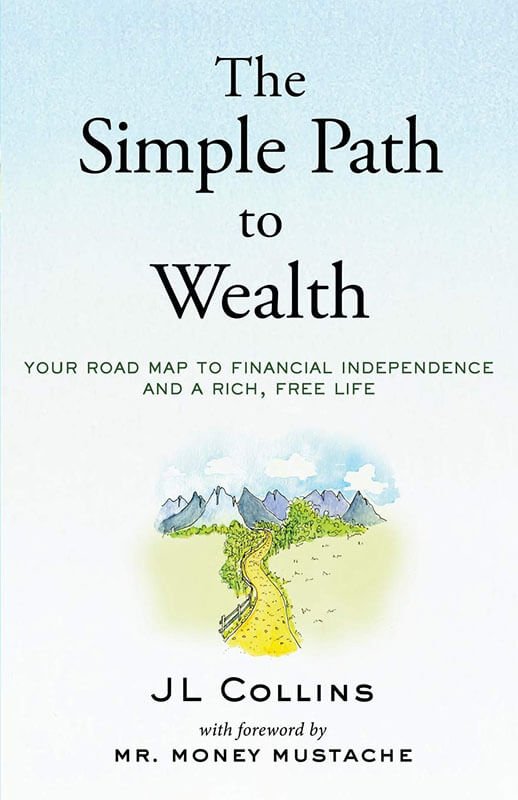
“The Simple Path to Wealth: Your road map to financial independence and a rich, free life” by JL Collins, published in 2016, has become a cornerstone text in the financial independence movement. Originally evolved from a series of letters to his daughter, Collins distills complex investment concepts into actionable wisdom.
The book’s core premise is that building wealth doesn’t need to be complicated – in fact, simplicity is the key to long-term financial success. What sets this book apart is its remarkable ability to make investing accessible to anyone, regardless of their financial background or experience.
Core Concepts
“The Simple Path to Wealth” revolves around three fundamental principles:
- Spend less than you earn and invest the surplus
- Avoid debt
- Keep your investments simple by focusing on low-cost index funds
The methodology presents a straightforward approach to building wealth through passive investing, specifically advocating for broad-market index funds as the primary investment vehicle.
Chapter-by-Chapter Review
Part I: Orientation
Collins begins with the foundations of financial independence: avoiding unnecessary debt, building “F-you money,” and changing the way you think about wealth. He explains why financial independence is less about earning a huge salary and more about consistently spending less than you earn and investing the difference.
He also introduces the emotional side of investing, including how to think about money and how to behave when markets are rising or falling. The foundation is simple: build financial freedom first, then invest with a long-term mindset.
Part II: How to Harness the World’s Most Powerful Wealth-Building Tool
This is the largest section of the book and the heart of Collins’s investment philosophy. He explains how the stock market works, why crashes are inevitable, why investors often lose money through their own behaviour, and why trying to predict the next market move is usually a mistake.
Collins then develops his case for simple, low-cost index investing. He covers index funds, bonds, asset allocation, international funds, target retirement funds, Vanguard, and tax-advantaged accounts including 401(k)s, IRAs, Roth accounts, and HSAs. The central idea is to own the market broadly, keep costs low, and avoid unnecessary complexity.
Part III: Magic Beans
Collins becomes more critical of the financial industry and the many strategies that promise to outperform the market. He discusses investment advisors, stock picking, market timing, dollar-cost averaging, financial television, and the scams and sales pitches that can separate investors from their money.
The message is deliberately blunt: complicated strategies do not necessarily produce better results. In many cases, simplicity, low costs, and the discipline to stay invested are the better approach.
Part IV: What to Do When You Get There
Once financial independence has been reached, the challenge changes from accumulating wealth to living from it. Collins discusses withdrawal rates, the practical mechanics of taking money from a portfolio, and how Social Security fits into the picture.
He also considers giving and how financial independence can provide the freedom to use wealth for other people and causes. Reaching the goal is not the end of the journey; it is the point at which money becomes a tool for living rather than something that needs to be accumulated indefinitely.
Conclusion
Collins brings the argument back to the simple path: avoid debt, spend less than you earn, invest the difference in broad, low-cost index funds, and stay the course through market volatility. The objective is not to become wealthy for its own sake, but to use money to create freedom and control over your time.
Key Strengths
- Crystal-clear explanations of complex financial concepts
- Actionable steps for immediate implementation
- Strong focus on behavioral aspects of investing
- Backed by extensive historical data and research
- Remarkably simple and sustainable strategy
Potential Drawbacks
- May be too conservative for some investors seeking higher returns
- Limited coverage of real estate investing
- US-centric investment advice
Who This Book Is For
This book is ideal for:
- Beginning investors seeking a proven investment strategy
- Mid-career professionals looking to optimize their retirement planning
- Anyone interested in achieving financial independence
- People overwhelmed by complex financial advice seeking clarity
Final Review
“The Simple Path to Wealth” delivers exactly what it promises – a straightforward, effective approach to building wealth. Collins’ writing style makes complex financial concepts accessible while providing a practical blueprint for financial independence. The book’s emphasis on low-cost index funds and long-term thinking creates a sustainable strategy that virtually anyone can follow.
Rating: 4.5/5
While no single investment book can cover everything, this one provides an excellent foundation for financial independence. Its enduring popularity and high rating reflect its ability to transform complex financial concepts into achievable actions for readers at any stage of their wealth-building journey.
Alternative Books
If you are looking for other books like “The Simple Path to Wealth”, consider these alternatives:
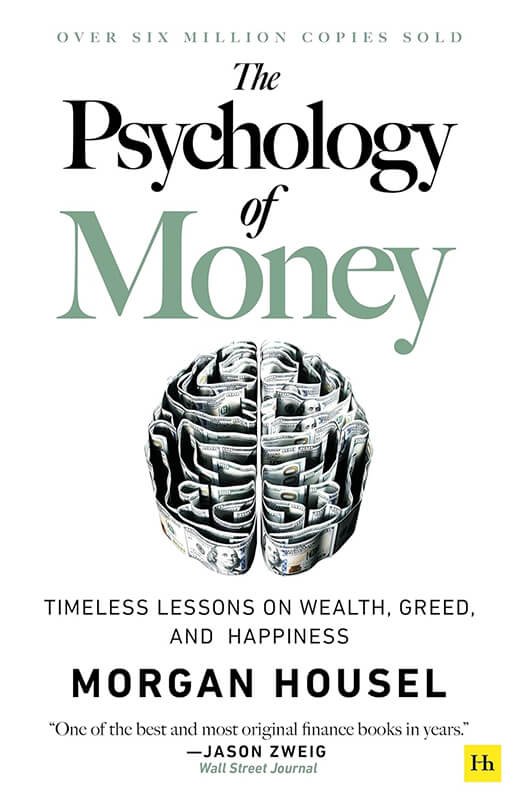
“The Psychology of Money” by Morgan Housel
Focus on behavioral aspects of money management and investing.
Rating: 4.7/5
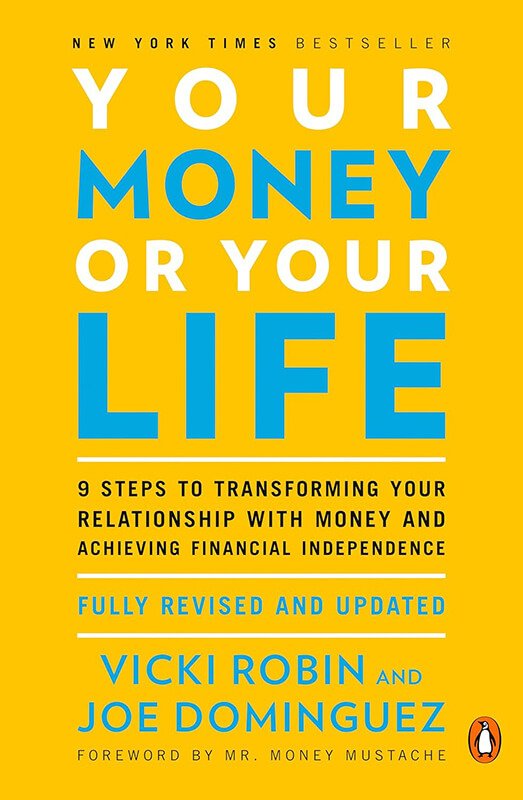
“Your Money or Your Life” by Vicki Robin and Joe Dominguez
Explores the philosophical side of money and its role in life satisfaction.
Rating: 4.5/5
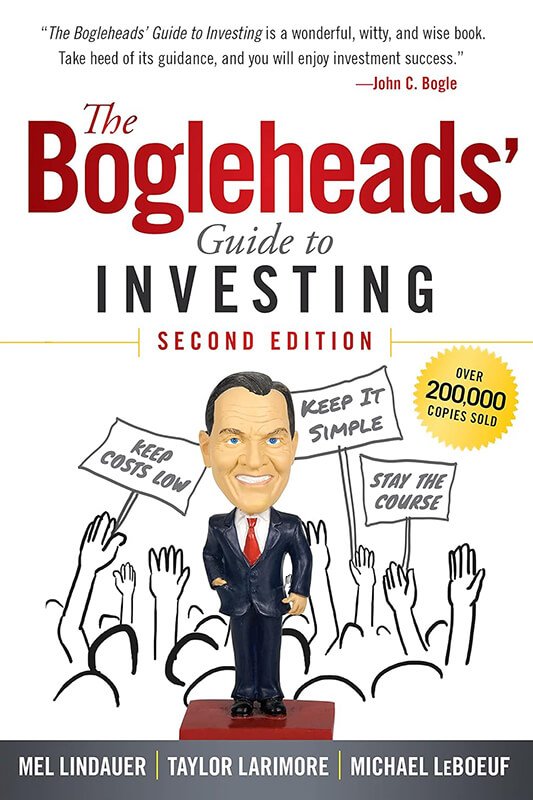
“The Bogleheads’ Guide to Investing” by Taylor Larimore, Mel Lindauer, and Michael LeBoeuf
Provides more technical depth on index fund investing strategy.
Rating: 4.7/5