
Looking for new habits to improve your daily wellbeing? Small changes can have a big impact when you focus on wellness habits that actually work. In this article, we explore 26 intentional daily routines to strengthen your physical, emotional, and social wellbeing. From practicing gratitude and staying active to unplugging from screens, these habits are designed to boost your health, clarity, and happiness without overwhelming your day.
Inside this article:
Physical Wellbeing
Your body is the foundation of everything you do. When you prioritize sleep, nutrition, and movement, you fuel your energy, strength, and overall health. Small daily habits like staying hydrated, eating mindfully, and maintaining good posture create lasting physical vitality.

1. Prioritize Sleep
Quality sleep is non-negotiable—your brain, hormones, and mood depend on it. During sleep, your body repairs tissues, consolidates memories, and rebalances stress hormones. Without adequate rest, cognitive function declines and decision-making suffers.
Why it’s important: Why We Sleep by Matthew Walker shows chronic sleep deprivation increases disease risk including heart disease, diabetes, and even Alzheimer’s.
Try this: Set a consistent bedtime with a 30-minute wind-down routine—dim the lights, avoid screens, and try reading or gentle stretching to signal your body it’s time to rest.
2. Move Your Body Daily
Regular movement—walking, dancing, or stretching—boosts energy and releases mood-enhancing endorphins. Movement improves circulation and enhances brain function.
Why it’s important: Studies show 20 minutes of daily movement reduces depression and improves cardiovascular health.
Quick tip: Start with a 10-minute morning walk. Consistency matters more than intensity. Even fidgeting counts—your body craves movement, not perfection.
3. Stay Hydrated
Water regulates temperature, aids digestion, and keeps your skin glowing. Even mild dehydration impacts energy and concentration. Your brain is 75% water, so hydration affects cognitive function.
Why it’s important: WHO guidelines confirm proper hydration supports optimal physical and cognitive performance.
Remember: Drink a full glass of water first thing each morning to start your day rehydrated.
4. Practice Mindful Eating
Eating with awareness helps you digest better and naturally regulate portions. When you slow down, you strengthen the connection between your mind and body’s hunger signals.
Why it’s important: The Mind-Gut Connection by Dr. Emeran Mayer shows mindful eating improves digestion.
Try this: Put away your phone during meals and take at least 20 minutes to eat.
5. Reduce Sugar and Processed Foods
Balanced nutrition stabilizes blood sugar, preventing energy crashes and mood swings. Processed foods contain additives that disrupt your body’s natural systems.
Why it’s important: Ultra-Processed People by Chris van Tulleken reveals how processed foods hijack your brain’s reward systems.
Quick tip: Replace one processed snack daily with fruit or nuts. Focus on adding nutritious foods rather than just restricting.
6. Focus on Posture and Movement
Good posture reduces pain, improves breathing, and boosts confidence. Regular movement breaks prevent stiffness and maintain joint health.
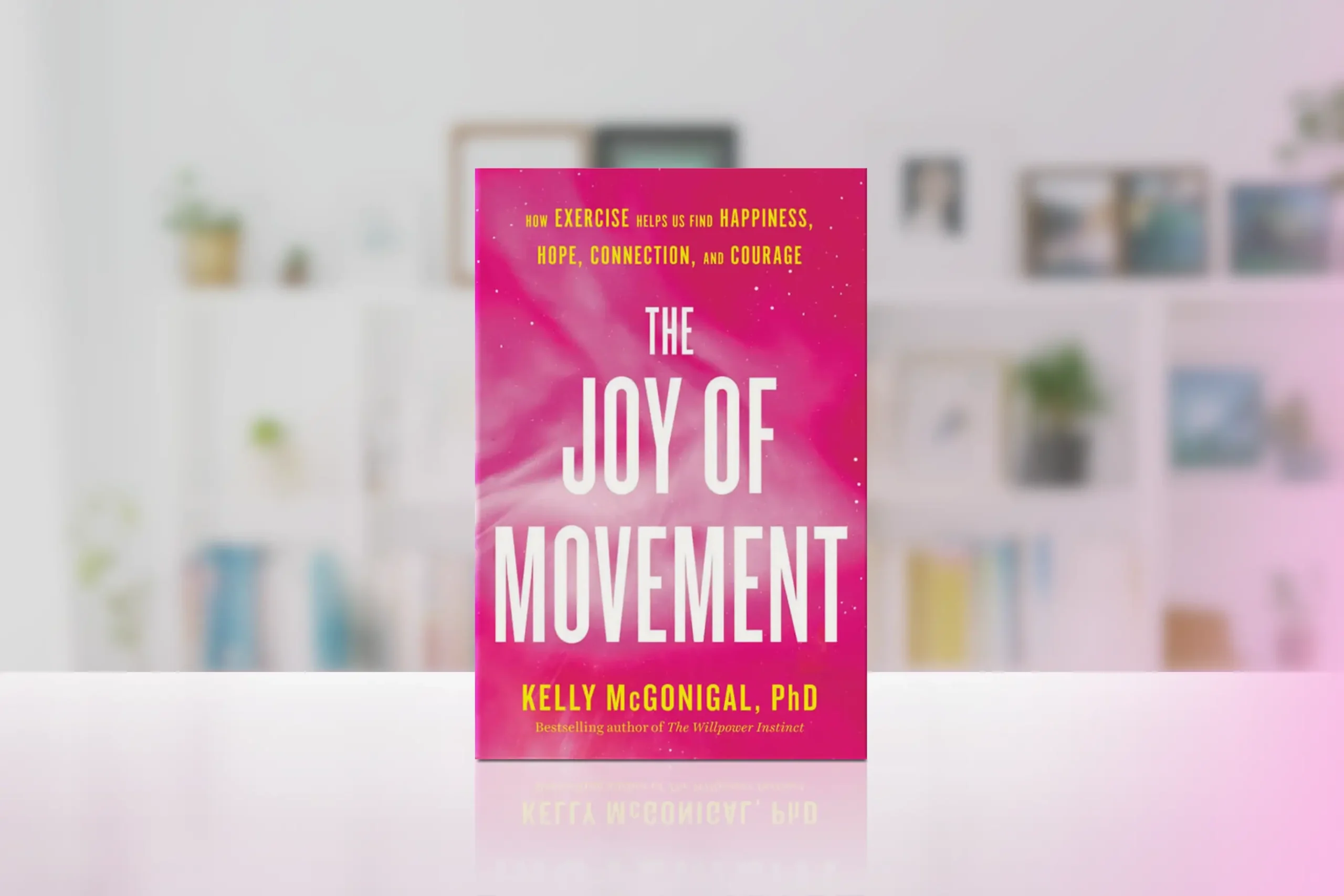
Why it’s important: The Joy of Movement by Kelly McGonigal shows upright posture increases positive emotions.
Remember: Set hourly reminders to stand and stretch throughout the day.
7. Declutter Your Space
A clean, organized space reduces visual stress and improves focus. Clutter drains mental energy and makes it harder to think clearly.
Why it’s important: Research shows organized environments decrease cortisol levels and enhance productivity.
Try this: Spend 10 minutes each evening tidying one area.
Key Takeaways: Prioritize sleep, movement, nutrition, and posture daily to boost energy, prevent illness, and feel stronger, healthier, and more resilient every single day.
Related Articles
Sleep Is the Real Superpower — Here’s How to Get It Right
Master sleep habits that transform your energy and performance daily.
36 Powerful Sleep Hacking Techniques to Boost Energy, Focus, and Recovery
Science-backed strategies to optimize your sleep for maximum health benefits.
Physical Wellbeing: Nutrition, Sleep, and Exercise for Optimal Health
Build a foundation of physical health through balanced nutrition and movement.
The Benefits of Outdoor Activities for Physical and Mental Health
Discover how outdoor movement enhances both body and mind naturally.
Emotional Wellbeing
Your mind matters as much as your body. Emotional wellbeing comes from mindfulness, reflection, and self-care. Journaling, deep breathing, meditation, and cultivating gratitude help reduce stress, improve mood, and create emotional balance. Taking time for yourself enhances clarity and resilience.

8. Cultivate Gratitude
Daily gratitude practice rewires your brain toward positivity by strengthening neural pathways associated with appreciation and contentment. Acknowledging what’s going well—even small things like warm coffee or a kind gesture—shifts focus from problems to possibilities and increases life satisfaction.
Why it’s important: The Happiness Advantage by Shawn Achor shows gratitude practices increase happiness levels, strengthen resilience during challenges, and even improve physical health markers like blood pressure.
Try this: Write down three specific things you’re grateful for each morning. Be detailed—instead of “family,” try “the way my partner made me laugh at breakfast.” Some days it’s just “coffee was hot”—and that counts.
9. Meditate or Practice Mindfulness
Just 5-10 minutes of mindfulness reduces stress and improves focus. Meditation trains your mind to observe thoughts without getting swept away.
Why it’s important: 10% Happier by Dan Harris demonstrates meditation decreases anxiety and changes brain structure.
Quick tip: Inhale for four counts, hold for four, exhale for four. Repeat for five minutes.
10. Practice Deep Breathing
Deep breathing activates your relaxation response—lowering heart rate and clearing mental fog. Intentional breathing reverses stress instantly.
Why it’s important: Breath by James Nestor reveals proper breathing improves stress management and sleep quality.
Remember: Take three deep belly breaths whenever overwhelmed.
11. Journal Daily
Writing clarifies thinking and helps you process experiences. Journaling creates self-awareness and reduces mental clutter.
Why it’s important: Studies show regular journaling reduces anxiety and enhances problem-solving.
Try this: Spend five minutes each morning writing whatever comes to mind—no rules. Messy journaling is still powerful. Just start writing.
12. Prioritize Mental Health Check-Ins
Regular self-reflection, therapy, or coaching builds emotional resilience. Checking in helps you process challenges before they become overwhelming.
Why it’s important: Maybe You Should Talk to Someone by Lori Gottlieb shows therapy strengthens coping skills.
Quick tip: Schedule monthly check-ins to assess your emotional state.
13. Laugh Often
Laughter reduces stress hormones, boosts immunity, and strengthens bonds. It triggers endorphin release and creates immediate stress relief.
Why it’s important: Research shows laughter decreases cortisol and may improve cardiovascular health.
Remember: Watch funny shows, share jokes, or recall amusing memories regularly.
14. Spend Time Alone
Solitude isn’t loneliness—it’s essential for self-awareness. Quiet time allows reflection and helps you understand your authentic feelings.
Why it’s important: Studies show intentional solitude enhances self-regulation and sparks creativity.
Try this: Schedule 15-30 minutes of device-free alone time daily. Quality solitude beats forced socializing for your mental health.
Key Takeaways: Regular practices like mindfulness, journaling, and gratitude strengthen emotional resilience, reduce stress, and help you approach life with a calmer, more focused mindset.
Related Articles
How to Prioritize Emotional Wellbeing: A Beginner’s Guide
Learn foundational practices to strengthen your emotional health and resilience.
Mindfulness for Beginners: Simple Techniques for Everyday Life
Start your mindfulness practice with easy, accessible techniques that work.
How to Journal Like a Professional: The Definitive Guide from Amateur to Expert
Master journaling techniques to unlock deeper self-awareness and personal growth.
The Power of Gratitude: How Cultivating Gratitude Can Lead to Lasting Happiness
Transform your mindset and wellbeing through consistent gratitude practices daily.
Social Wellbeing
Connection is essential for a happy, fulfilling life. Strong relationships, kindness, and clear boundaries are at the heart of social wellbeing. Investing in meaningful interactions and showing compassion enhances your happiness, resilience, and sense of belonging.

15. Nurture Relationships
Quality relationships are among the strongest predictors of happiness, health, and longevity. Strong social bonds provide crucial support during challenges, amplify joy during good times, and create a genuine sense of belonging and purpose in life.
Why it’s important: Harvard’s 80-year longitudinal study on happiness shows that relationship quality predicts health and longevity better than wealth, career success, or social class.
Try this: Reach out to someone you care about this week—send a thoughtful text, make a phone call, or meet for coffee to catch up.
16. Practice Random Acts of Kindness
Helping others creates a neurochemical boost. Small gestures trigger dopamine release and strengthen community bonds.
Why it’s important: Research shows acts of kindness increase happiness in givers and receivers while reducing stress.
Quick tip: Do one unexpected kind thing daily—help a colleague or compliment a stranger.
17. Set Boundaries
Saying no protects your time, energy, and mental health. Healthy boundaries prevent resentment and allow you to show up fully in commitments you make.
Why it’s important: Boundaries by Dr. Henry Cloud shows clear limits create healthier, more authentic connections.
Remember: “No” is a complete sentence. Protect your wellbeing without guilt. People who respect your boundaries deserve your time.
Key Takeaways: Nurture relationships, set boundaries, and practice kindness to build supportive connections that boost happiness, emotional stability, and long-term wellbeing.
Related Articles
Social Wellbeing: The Importance of Relationships and Community
Understand how social connections create lasting happiness and health benefits.
Building and Maintaining Healthy Relationships
Develop skills to create and sustain meaningful connections throughout life.
The Importance of Setting Boundaries for Personal Wellbeing
Learn to protect your energy and create healthier relationships through boundaries.
The Power of Purpose and Meaningful Relationships
Discover how purpose-driven connections strengthen your life satisfaction and fulfillment.
Wellbeing Habits
Small daily habits create big life changes. From morning routines to digital detoxes, creative expression, and lifelong learning, these practices support balance, mental clarity, and personal growth. Intentional habits amplify productivity, joy, and overall wellbeing.

18. Establish a Morning Routine
How you start your day sets the tone for everything that follows. Intentional morning habits create momentum and establish productive patterns.
Why it’s important: The Miracle Morning by Hal Elrod demonstrates structured routines increase productivity.
Try this: Hydrate, move your body for 10 minutes, identify your top three priorities.
19. Spend Time in Nature
Nature acts as a powerful remedy for modern stress. Spending time outdoors, fresh air and green spaces can reduce cortisol level, improve your mood, and enhance creativity.
Why it’s important: The Nature Fix by Florence Williams shows exposure to nature reduces anxiety, improves emotional well-being, and supports overall mental health.
Quick tip: Aim for at least 20 minutes outside daily to refresh your mind and body.
20. Engage in Lifelong Learning
Continuous learning keeps your mind sharp and adaptable. Reading, taking courses, or learning new skills, strengthens mental flexibility, and helps slow cognitive decline.
Why it’s important: Studies show lifelong learning enhances neuroplasticity and reduces dementia risk.
Remember: Read at least one book monthly to broaden knowledge and perspective. Learning doesn’t require degrees—curiosity matters most.
21. Practice Digital Detox Days
Constant connectivity exhausts your brain. Taking a full day off from social media recharges mental batteries and improves sleep.
Why it’s important: Digital Minimalism by Cal Newport shows digital breaks reduce anxiety and improve focus.
Try this: Disconnect from all non-essential platforms one day monthly.
22. Listen to Music or Podcasts
Listening to audio content stimulates your mind and elevates mood. Music releases dopamine while podcasts expand knowledge.
Why it’s important: Research shows music reduces stress hormones while learning audio boosts brain function.
Quick tip: Build playlists for different moods and find three inspiring podcasts.
23. Limit Screen Time
Excessive screen exposure strains eyes, disrupts sleep, and fragments attention. Blue light suppresses melatonin production.
Why it’s important: Studies show blue light before bed disrupts circadian rhythms and reduces sleep quality.
Remember: Stop screens one hour before bedtime and use blue light filters after sunset. Your future self will thank you for protecting your sleep.
24. Limit Negative Media
What you consume mentally shapes your worldview. Constant negative news increases anxiety and pessimism.
Why it’s important: Research shows excessive negative news consumption increases stress and feelings of helplessness.
Try this: Check news once daily and balance with uplifting content.
25. Engage in Creative Expression
Creativity reduces stress and sparks joy. Creative activities provide therapeutic benefits and personal fulfillment.
Why it’s important: Big Magic by Elizabeth Gilbert shows creative expression enhances mental health.
Quick tip: Dedicate at least 30 minutes weekly to any creative activity—no skill required.
26. Practice Financial Wellness
Financial stress affects every area of life. Budgeting and mindful spending create security and reduce chronic anxiety.
Why it’s important: The Psychology of Money by Morgan Housel demonstrates financial peace is crucial for overall health.
Remember: Review spending weekly to ensure money aligns with your values. Financial wellbeing isn’t about being rich—it’s about feeling in control.
Key Takeaways: Consistently implementing routines, unplugging, learning, and engaging creatively enhances focus, personal growth, and life satisfaction over the long term.
Related Articles
Building a Wellbeing Routine: Habits for Mental and Physical Health
Create sustainable daily routines that support both mental and physical wellness.
Reclaim Your Mind: 25 Digital Detox Habits That Work
Reclaim your attention and reduce stress through intentional digital boundaries.
Financial Wellness: Overcoming Money Stress and Building Financial Confidence
Develop healthy money habits that reduce anxiety and create security.
Creativity: Unlocking the Power of Original Thinking
Tap into your creative potential for stress relief and fulfillment.
Your Journey Today
These 26 wellness habits aren’t about overnight transformation—they’re about consistent, manageable steps that compound into lasting change. Physical vitality, emotional balance, strong relationships, and intentional daily practices work together to create holistic wellbeing that sustains you through every season of life.
Next Steps:
- Choose one habit from each category to start
- Commit to 30 days of consistent practice
- Track your progress in a journal daily
- Add one new habit each month gradually
- Celebrate small wins along the wellness journey
You don’t need to be perfect—you just need to begin. Small, consistent actions create remarkable transformations over time. Start where you are, use what you have, and trust the process.
Frequently Asked Questions
Why do I need wellness habits?
Wellness habits help you maintain and improve your overall health. By adopting simple daily routines for your body, mind, and social life—like exercising, eating mindfully, and practicing gratitude—you can boost energy, reduce stress, and create lasting improvements that enhance your quality of life.
How can I start improving my wellbeing?
Start with small, intentional steps. Identify one or two habits to focus on, like drinking more water, taking a short walk, or journaling. Gradually build on these routines, and over time, they compound into significant improvements in energy, focus, mood, and overall health. Consistency is more important than perfection.
Which habits boost emotional wellbeing?
Emotional wellbeing improves through mindfulness and reflection. Practices like gratitude, journaling, meditation, and deep breathing help reduce stress, increase clarity, and balance emotions. Spending time alone for self-reflection and taking regular mental health check-ins also strengthen resilience and create a calmer, more centered mindset.
How do social habits affect health?
Strong social connections support overall wellbeing. Nurturing relationships, practicing kindness, and setting clear boundaries reduce stress and increase happiness. Positive interactions release feel-good hormones, boost emotional resilience, and contribute to longer-term health by fostering support networks and meaningful connections.
Can small daily routines really change your life?
Yes, small daily routines can have a big impact. Consistently practicing simple habits like movement, hydration, mindful eating, or gratitude gradually improves physical, emotional, and social wellbeing. Over time, these tiny actions accumulate, boosting energy, focus, happiness, and overall quality of life without feeling overwhelming.