

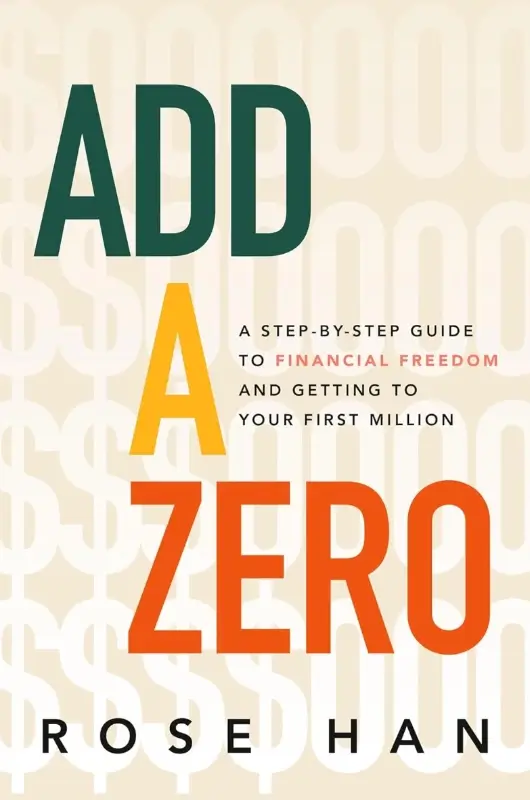
Rose Han‘s Add a Zero maps a stage-by-stage path from debt to millionaire status, arguing that wealth is built by deliberately “adding a zero” to your net worth one milestone at a time, first published in 2025.
Drawing on Han’s personal journey from over $100,000 in debt to self-made millionaire — documented to millions of followers on YouTube — the book combines lived experience with a practical, milestone-based framework validated by coverage in The Wall Street Journal, Business Insider, and CNBC.
Core Concepts
The book introduces several key ideas that form the foundation of Rose Han’s theory:
- Debt as the Starting Point: Debt is reframed not as personal failure but as the baseline from which financial recovery and growth begins.
- Milestone-Based Wealth Building: Financial progress is structured as clear net worth stages — $0, $1K, $10K, $100K, $1M — where each milestone represents a “zero” added.
- The Money Mindset Shift: Psychological barriers like shame and avoidance must be addressed before any practical financial strategy can take hold.
- Income as an Accelerator: Long-term wealth creation depends on growing earning power alongside disciplined saving — saving alone won’t get you to seven figures.
- The Investment Ladder: Wealth compounds through increasingly structured investing, progressing from debt elimination through tax-advantaged accounts to index fund investing and income diversification.
Together, these ideas create a progression-based system where your strategy evolves at each financial stage rather than applying one universal approach to every situation.
Chapter-by-Chapter Review
It All Starts With Mindset
Han opens by tackling the psychological foundation of financial change. Before any spreadsheet or savings plan, she argues you need to confront the shame, avoidance, and emotional baggage that keep people stuck. This chapter sets the tone: financial transformation is an inside job first. If you’ve ever felt paralysed by the sight of your bank balance, Han speaks directly to that experience — and gives you a way through it.
Getting to $0
The first concrete milestone is simply breaking even. Han walks you through eliminating high-interest debt and building the psychological momentum that comes from seeing a zero — not a negative — on your net worth statement. This is where many personal finance books begin and end, but Han treats it as the launchpad it actually is.
Getting to $1,000 and $10,000
These chapters bridge debt elimination and early wealth accumulation. Han introduces intentional budgeting — assigning every dollar a purpose — alongside a structured spending audit designed to help you understand your cash flow in detail. The goal is to reach your first $10,000 buffer through consistent, disciplined saving rather than dramatic lifestyle sacrifice. Small optimisations compound faster than you expect.
Getting to $100,000
At this stage, Han shifts focus from saving to earning. Career growth, salary negotiation, and additional income streams take centre stage, alongside tax-advantaged investing strategies — 401(k)s, Roth IRAs, and HSAs. The insight here is crucial: once your financial foundation is stable, increasing income is the single biggest lever you have. Saving your way to $100K is slow; earning your way there is transformational.
Getting to $1,000,000
The final chapters focus on long-term investing through index funds and brokerage accounts, and the principles of financial independence — reducing reliance on active income, diversifying revenue streams, and gaining control over your time. The book closes by reframing financial independence not as a finish line but as an ongoing process of designing your life with fewer financial constraints.
Key Strengths
- Stage-Based Structure: Breaks wealth building into clear, simple milestones.
- Strong Psychological Foundation: Tackles debt shame and emotional barriers often ignored in finance books.
- Highly Accessible Framework: Suited for beginners, especially those starting with debt or no savings.
- Action-Oriented: Each stage includes concrete, practical steps.
- Authentic Personal Narrative: Han’s personal journey adds credibility and real-world proof.
Potential Drawbacks
- Less Advanced Detail: Most valuable for early- to mid-stage wealth builders.
- US-Centric Financial Systems: Many examples rely on US-specific accounts and tax rules.
- Few New Ideas for Experts: Primarily reinforces concepts experienced readers may already know.
Who This Book Is For
This book is a valuable resource for a wide range of readers, particularly:
- Individuals working through debt who need emotional support and a clear path to recovery.
- Early-career professionals building first-time foundational financial habits.
- Self-directed learners who want a structured, milestone-driven approach rather than generic advice.
- Readers inspired by Han’s YouTube content who want a deeper, more comprehensive version of her framework.
Final Review
“Add a Zero” is a structured and psychologically grounded personal finance guide that moves readers through clearly defined milestones of financial progress — from debt to their first million. Its standout strength is combining behavioural insight with practical, stage-specific actions, making it especially valuable for anyone starting from debt or early accumulation. While it offers less depth for advanced investors, the framework is clear, actionable, and consistently built around real financial progression that scales with the reader.
Rating: 4.5/5
A clear, milestone-based financial framework that blends psychology and practical strategy to help you systematically build wealth from any starting point.
Alternative Books
Here are three related books that further explore this topic:
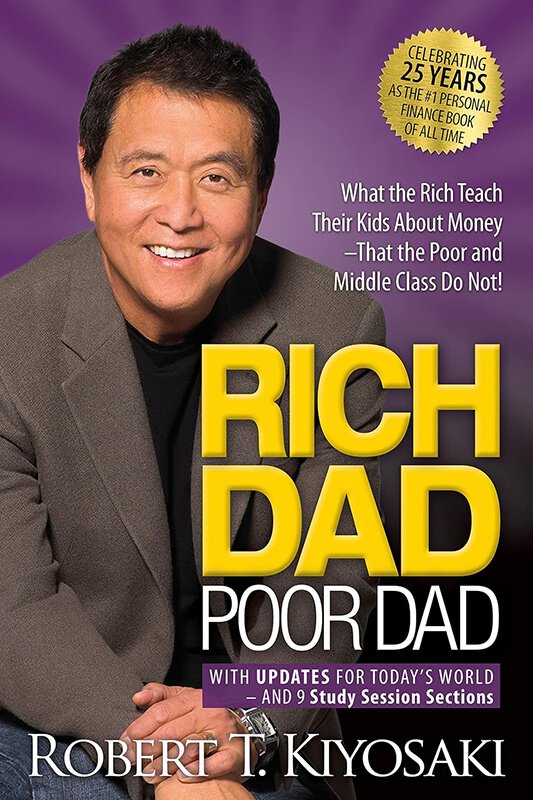
“Rich Dad Poor Dad” by Robert Kiyosaki
The foundational classic that reframed how millions think about money, assets, and the path to financial independence — essential reading for anyone beginning to build wealth.
Rating: 4.7/5
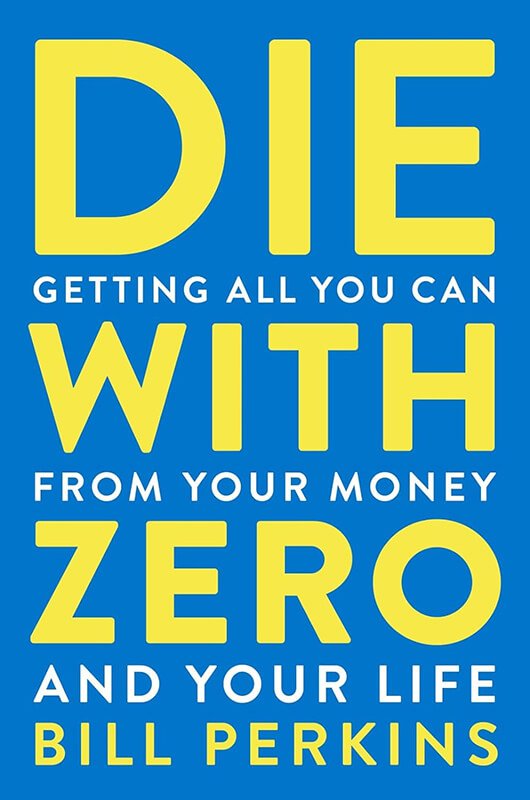
Die With Zero — Bill Perkins
A bold challenge to conventional wealth wisdom — arguing that optimising for maximum life experiences, not maximum balance sheet, is the true goal of financial freedom.
Rating: 4.7/5
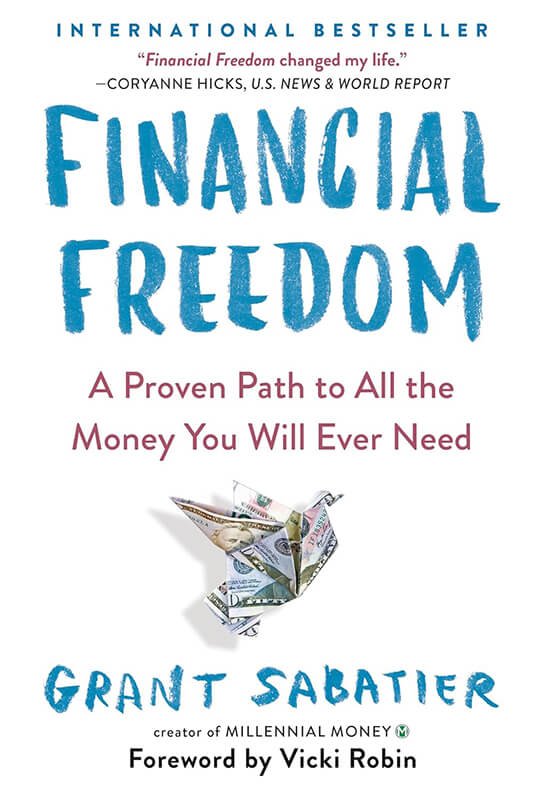
Financial Freedom — Grant Sabatier
A detailed, step-by-step roadmap to achieving financial independence faster than you thought possible — written by someone who did it in five years from almost nothing.
Rating: 4.6/5