
Feeling stuck in a career that no longer fits can be deeply unsettling—but it’s often a sign you’ve outgrown your path, not that you’ve failed. Career dissatisfaction isn’t a dead end; it’s an invitation to change. Finding the perfect job comes from choosing smart ways to change careers that prioritize alignment, meaning, and a life that fits who you’ve become.
Inside this article:

Why Changing Careers Can Be a Smart Move
Changing careers isn’t just a leap of faith—it can have tangible benefits for your happiness, growth, and long-term success. Consider these data points:
- Increased Job Satisfaction: Gallup Global Workplace Report found that employees who switch careers to align with their strengths report higher engagement and satisfaction.
- Better Work-Life Balance: People who move to roles that better fit their lifestyle are more likely to report improved work-life balance and lower stress.
- Higher Earning Potential: Data shows that professionals who make strategic career pivots often see a 15–25% increase in income over time, especially when moving into high-demand fields.
- Skills Leverage and Growth: Core transferable skills—communication, problem-solving, leadership—become more valuable in new contexts, enhancing career opportunities as employers value them as much as technical skills. McKinsey projects demand for these skills types of will rise 30% by 2030.
- Mental Health Boost: According to a recent study, employees who move into roles aligned with their personal values experience greater job satisfaction and enhanced overall wellbeing.
Key Takeaway: A well-planned career change can increase satisfaction, growth, and life alignment, not just create uncertainty. It’s about finding the right fit, not jumping blindly.

Discover Which Career Fits You
Before you can change careers, you need clarity about what you’re moving toward.
This isn’t about finding the perfect job title or industry—it’s about understanding yourself deeply enough to recognize work that genuinely fits. The questions in this section will help you identify your core values, natural strengths, and the problems you care most about solving. Think of this as building a compass that points toward meaningful work, not a rigid map with only one destination.
1. Acknowledge You’ve Outgrown Your Current Path
Growth often begins with discomfort. If you’re feeling restless, disconnected, or like you’re going through the motions at work, that’s not failure—it’s data. You’ve changed, your priorities have shifted, or the work itself no longer challenges you in meaningful ways.
Why it’s important: Career dissatisfaction often signals a misalignment between who you are now and the path you’re on. Research from Gallup shows that employees who feel their work doesn’t align with their personal growth report global employee engagement at just 21%, with higher turnover intentions almost 50% and significantly lower wellbeing scores.
Try this: Write down three ways you’ve changed in the past two years, including skills, priorities, or perspectives. Notice whether your current role truly reflects those changes.
2. Release the “Should” Career
Let go of expectations imposed by others or your past self. The career you thought you “should” pursue at 22 might not fit who you’ve become. Parents, teachers, society, or even your younger self created a version of success that may no longer serve you.
Why it’s important: Living someone else’s version of your career creates chronic stress and dissatisfaction. Martha Beck’s found that people who release external “shoulds” report considerably higher satisfaction and authenticity in their work within the first year of change.
Try this: Complete this sentence honestly: “If no one was watching or judging, I would pursue…” Sometimes the hardest part isn’t changing careers—it’s admitting the path you chose no longer fits.
3. Clarify Your Core Values
Values misalignment is a major source of career dissatisfaction. When your daily work contradicts what matters most to you—autonomy, creativity, impact, stability, growth—every task feels like friction. Identifying your core values creates a filter for career decisions.
Why it’s important: Studies show that employees whose values align with their company’s experience a 72% greater personal accomplishment and are 2.5 times more likely to stay in their roles long-term, even when challenges arise compared to disengaged counterparts.
Try this: List your top five values. Then rate your current job on how well it honors each one (1-10).
4. Identify the Problems You Care About Solving
Purpose often lives in contribution. What problems make you lean in? What challenges do you find yourself thinking about even when you’re off the clock? Meaningful work often emerges when you discover the issues you genuinely care about addressing.
Why it’s important: Bill Burnett and Dave Evans, authors of Designing Your Life, found that people who build careers around problems they care about report higher engagement, resilience during setbacks, and long-term fulfillment compared to those chasing titles or salaries alone.
Try this: Ask yourself, “What breaks my heart about the world?” That question often leads you toward meaningful work and long-term purpose.
5. Map Your Transferable Strengths
Skills compound over time—even across industries. You’ve developed strengths in communication, problem-solving, project management, relationship-building, or strategic thinking. These transferable skills become more valuable in new contexts, giving career changers a competitive edge and faster learning.
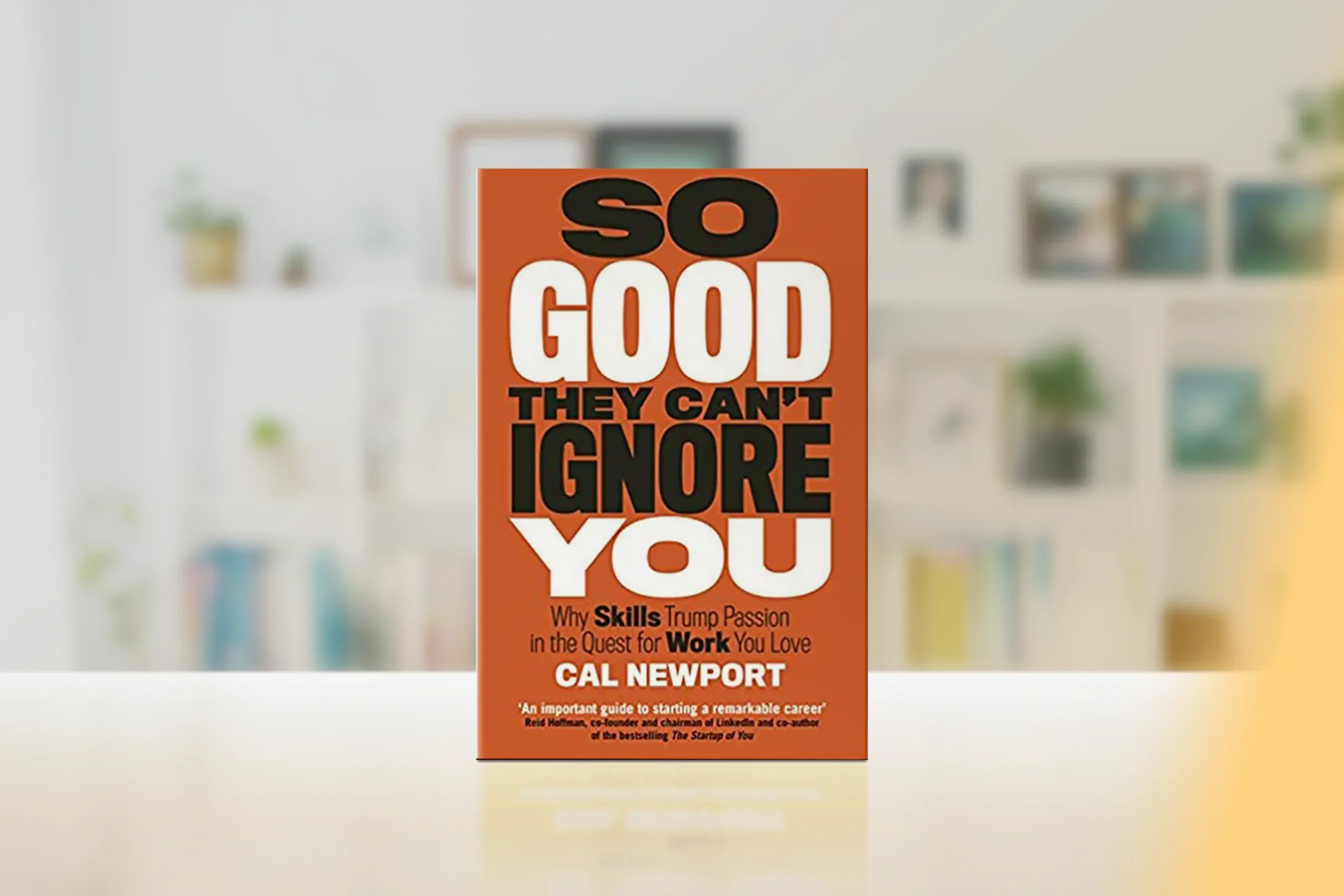
Why it’s important: Data shows that professionals who strategically leverage transferable skills during career transitions see a 15–25% increase in income over time, especially when moving into high-demand fields. Cal Newport’s research in So Good They Can’t Ignore You emphasizes that rare and valuable skills create career capital.
Quick tip: Make a list of skills you use daily, not job titles. Skills travel; titles don’t.
6. Notice Patterns in What You Enjoy
Look for themes, not job titles. When do you feel most energized? What tasks make time disappear? When do you feel most alive and capable? These patterns reveal intrinsic motivations that job descriptions rarely capture.
Why it’s important: Research has found that people who design careers around intrinsic motivations (curiosity, flow, enjoyment) rather than extrinsic rewards (status, salary) report 35% higher long-term satisfaction and are more resilient during transitions.
Try this: Track your energy for one week. Note which tasks drain you and which energize you. The perfect job isn’t hiding in a job board—it’s built from understanding what truly lights you up.
Related reading:

Explore New Career Paths
Once you have clarity, it’s time to test your ideas in the real world.
Career exploration isn’t about jumping into a new role immediately—it’s about gathering information and building confidence through low-stakes experiments. The strategies below help you learn what a new career actually feels like before you commit fully. This phase reduces fear, validates your direction, and often opens doors you didn’t even know existed.
7. Experiment with Low-Risk Options
Side projects and trials reduce fear and build confidence. You don’t need to quit your job to explore new possibilities. Volunteer, freelance, take on side projects, or offer your skills in informal settings. These experiments give you real-world data without risking stability.
Why it’s important: The Stanford’s d.school emphasizes that prototyping ideas through low-stakes experiments helps people make more informed decisions. You learn faster through action than analysis. Small trials build confidence and clarify whether a new path truly fits.
Try this: Commit to one low-risk experiment this month—volunteer, shadow someone, or start a small project to explore real-world fit.
8. Talk to People Who Made Similar Transitions
Their paths normalize uncertainty. Reach out to people who’ve successfully made the career switch you’re considering. Ask about their challenges, strategies, and unexpected benefits. Real stories demystify the process and show you that career reinvention is possible.
Why it’s important: In Working Identity Herminia Ibarra shows how people who actively experiment with new roles and engage with new networks make better-informed decisions, feel less isolated, and transition faster than those who plan in isolation. Learning from others reduces fear.
Quick tip: Reach out to three people who’ve made a similar transition. Ask: “What surprised you most?” They can reflect on their career journey and share valuable insights to help you.
9. Invest in Learning with Intention
Skill-building should serve clarity, not avoidance. Strategic learning accelerates transitions, but endless courses without application can become procrastination. Learn what you need to take the next step, then act. Build skills that create credibility in your desired field.
Why it’s important: Adam Grant’s research in Hidden Potential shows that deliberate learning paired with action accelerates growth. But learning without doing creates false progress. Employers value demonstrated skills over certificates. Build your skills through real projects, not just courses.
Try this: Choose one skill to build this quarter. Commit to applying it in a real project, not just consuming content, and track your progress along the way.
Related reading:
- Career Reinvention: How to Successfully Navigate Career Change
- Experience Hacking: Creative Ways to Build Relevant Skills for Career Transitions
- Pathways to Passion: Diverse Stories of Successful Career Transitions
- The Importance of Continuous Learning in Career Development
- 7 Lifelong Learning Strategies to Future-Proof Yourself

Make the Change Happen
This is where intention becomes action.
You’ve gained clarity about what fits and tested possibilities through experiments—now it’s time to position yourself for the transition. The steps in this section focus on building credibility in your new field, managing the emotional journey of identity shifts, and making practical moves that align your work with the life you want. Remember, career change is iterative, not instantaneous—each action compounds over time.
10. Redesign Your Personal Branding
Stop marketing your past role. Reframe your experience to highlight the skills and strengths relevant to your desired career. Use language from your target industry. Show how your background uniquely positions you for this new path. Tell a story of intentional growth.
Why it’s important: Career coaches and hiring managers consistently report that career changers who reframe their narrative around transferable skills and future-focused language get 2-3 times more interview callbacks than those who simply list past job duties chronologically.
Try this: Rewrite your LinkedIn headline to reflect your future direction, not your current title.
11. Build Credibility Through Action
Create, share, contribute, or teach in your desired field. Write articles, build projects, volunteer your skills, mentor others, or speak at events. Visible action builds credibility faster than credentials. Show people what you can do before they ask for proof.
Why it’s important: In Show Your Work, Austin Kleon emphasizes that sharing your process builds reputation and connections. People hire those who demonstrate capability. A portfolio of action speaks louder than a résumé. Contributing publicly creates opportunities and builds trust.
Quick tip: Start one visible project this month—a blog post, case study, or volunteer contribution in your target field to showcase your skills and growth.
12. Be Patient with Identity Shifts
Career change often involves redefining who you are. You’re not just changing jobs—you’re evolving your identity. That transition takes time. You’ll feel like a beginner again. You’ll question yourself. That discomfort is growth, not evidence you’re on the wrong path.
Why it’s important: William Bridges’ Transitions emphasizes that career change involves an emotional “neutral zone” where your old identity no longer fits but your new one hasn’t solidified. Rushing this process creates anxiety. Research shows this transition typically takes 18-24 months.
Try this: Acknowledge one way your identity is shifting. Journal about who you’re becoming, not just what you’re doing. Feeling like an imposter doesn’t mean you don’t belong—it means you’re growing into something new.
13. Listen to Resistance and Fear
They often point to growth edges. Fear isn’t always a red flag—sometimes it’s a compass. When you feel afraid of a career move, ask: “Am I afraid because this is wrong, or because it’s unfamiliar and important?” Fear of judgment, failure, or the unknown often guards the path worth taking.
Why it’s important: Brené Brown’s research on vulnerability shows that meaningful career changes almost always involve fear. The question isn’t “Am I afraid?” but “What is this fear protecting?” Fear of growth looks different from fear of danger. Learning to distinguish them accelerates progress.
Try this: When fear shows up, ask: “What’s the worst that could happen?” Then ask: “What’s the cost of not trying?”
14. Choose Progress Over Perfection
The perfect job evolves—you don’t find it fully formed. Waiting for the ideal opportunity, perfect timing, or complete certainty keeps you stuck. Career change is iterative. You make a move, learn, adjust, and move again. Each step clarifies the next.
Why it’s important: Designing Your Life shows that career satisfaction comes from iterative adjustments, not single perfect decisions. People who embrace experimentation and course-correct along the way report higher satisfaction than those who wait for certainty. Progress beats planning.
Quick tip: Take one imperfect action this week that moves you closer to your desired career.
15. Align Your Work with the Life You Want
A meaningful career supports your whole life, not just your paycheck. Consider: What lifestyle do you want? What kind of work schedule supports your wellbeing? What values matter most? Career decisions should serve your life, not consume it.
Why it’s important: Research shows that people with higher life satisfaction are 32% more likely to experience increased job satisfaction and lower burnout over time than those who focus solely on salary or prestige. This highlights that personal happiness drives work fulfillment—not the other way around. Work should enhance your life, not replace it.
Try this: Describe your ideal Tuesday in five years. What does your work look like? How does it fit your life, your values, and your personal priorities?
Your Next Career Path
Changing careers isn’t about starting over—it’s about redirecting your growth toward work that fits who you are now.
Research shows that people who design their careers around their strengths and values experience greater satisfaction and long-term success. The right career isn’t found—it’s built through clarity, experimentation, and the courage to grow.
Next Steps:
- Ask yourself: What would work look like if it were designed to serve the life you want to live?
- Reflect on your strengths: List the skills and principles that energize and motivate you.
- Identify one area to explore: Research, talk to someone in the field, or try a small project.
- Low-risk experiment: Take a class, freelance, or volunteer for hands-on experience.
- Commit to one action this: Even a single step brings you closer to the career you want.
Every journey starts with one deliberate step. The more aligned your actions are with your values and passions, the faster you’ll turn uncertainty into a purposeful, fulfilling career.
Related Articles
The Psychology of Career Transitions: Embracing Change and Growth
Navigate the emotional journey of career transitions successfully.
Career Reinvention: How to Successfully Navigate Career Change
Reinvent yourself professionally while maintaining stability and confidence.
Pathways to Passion: Diverse Stories of Successful Career Transitions
Inspiring stories of successful career transitions.
How to Build a Career You Love: From Vision to Action
Align your work with your values and purpose.
Discovering Your True Career Passion: A Step-by-Step Guide
Identify work that genuinely excites and motivates you.
Further Reading
“Designing Your Life” by Bill Burnett and Dave Evans
Apply design thinking to create a meaningful career.
“So Good They Can’t Ignore You” by Cal Newport
Build career capital through deliberate skill development, not passion.
“What Color Is Your Parachute?” by Richard N. Bolles
Classic career-change handbook with practical self-assessment exercises.
“Pivot” by Jenny Blake
Make strategic career moves building on existing strengths.
“Switchers” by Dawn Graham
Actionable strategies for transitioning to a new career.