
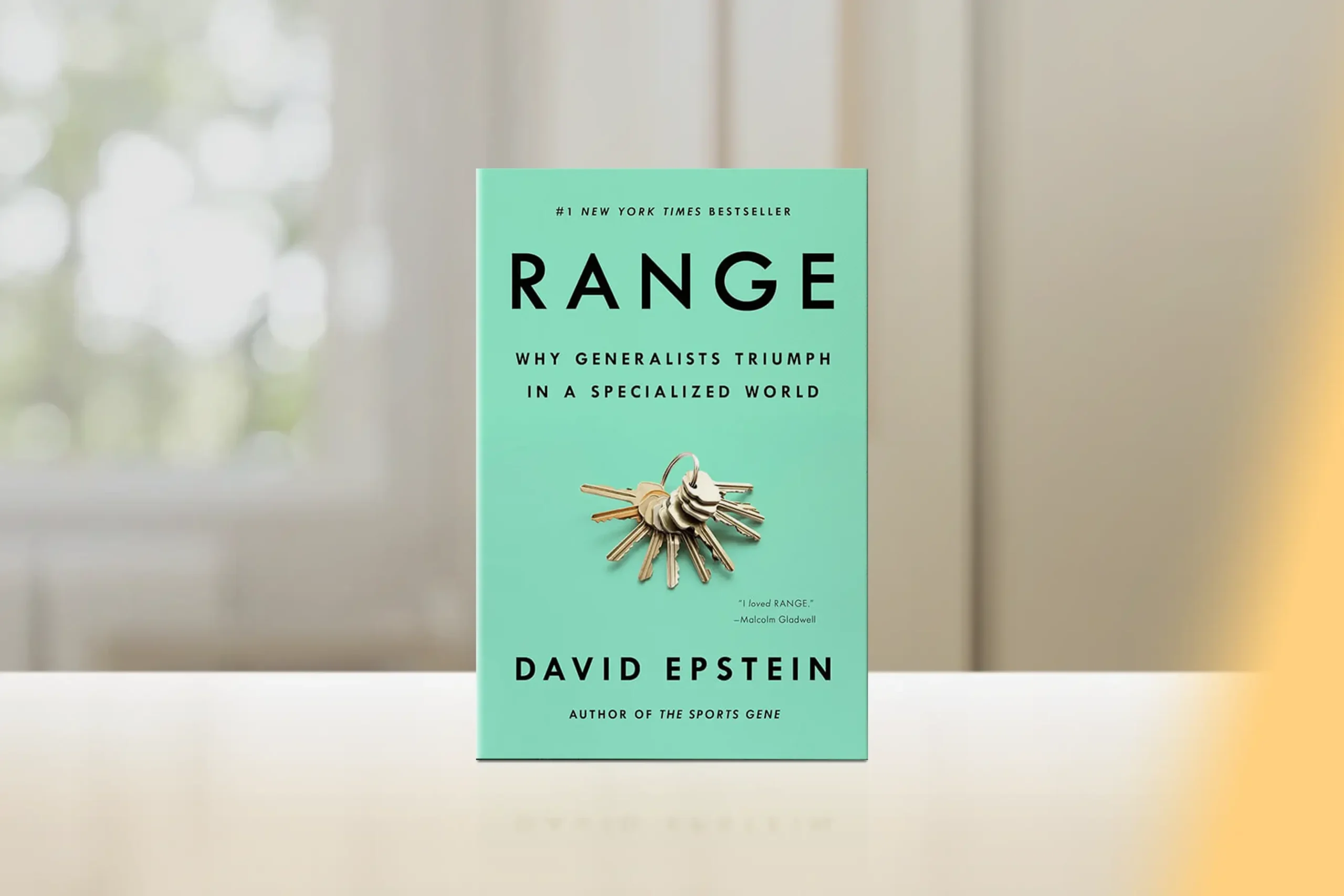
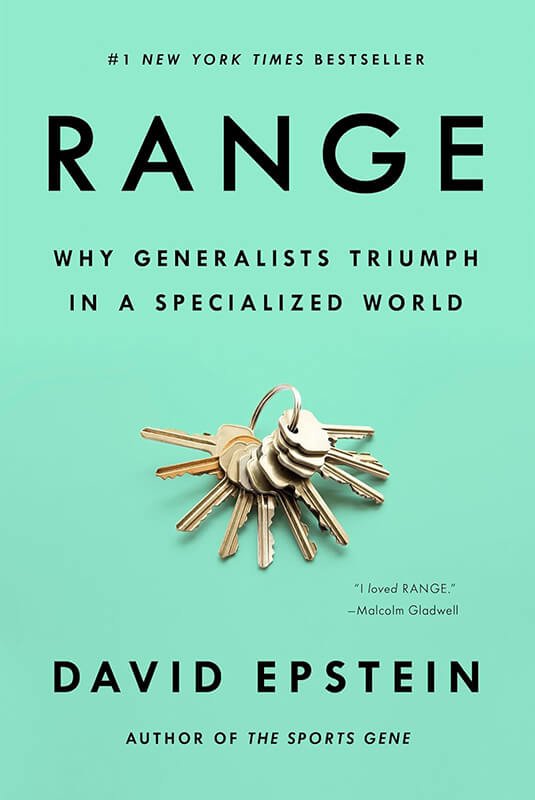
In a world that often praises early specialization and laser-focused expertise, David Epstein’s “Range: Why Generalists Triumph in a Specialized World” by David Epstein offers a refreshing and eye-opening perspective.
Published in 2019, this book challenges the conventional wisdom that narrow specialization is the key to success. Instead, Epstein makes a compelling case for the power of diverse experiences and broad knowledge in navigating our complex, rapidly changing world.
Core Concepts
At its heart, “Range” explores the idea that breadth of experience is often more valuable than narrow specialization. Epstein presents several key concepts to support this thesis:
- The power of diverse experiences in fostering creativity and innovation
- The benefits of delayed specialization in many fields
- The importance of analogical thinking in problem-solving
- The value of “sampling” different pursuits before committing
- The role of broad knowledge in adapting to changing environments
By embracing these concepts, Epstein argues that individuals can become more adaptable, innovative, and ultimately successful in their chosen fields and in life.
Chapter-by-Chapter Review
Introduction: Roger vs. Tiger
Epstein opens with the contrasting paths of Roger Federer and Tiger Woods. Their stories introduce the central question of the book: is early specialization really the best route to excellence, or can a broader range of experiences produce better long-term results?
Chapter 1: The Cult of the Head Start
Epstein challenges the belief that starting young and specializing early is the surest path to success. Using examples from sports and other fields, he shows that early specialization works particularly well in stable, predictable environments, but is much less reliable when problems are complex and constantly changing.
Chapter 2: How the Wicked World Was Made
The chapter distinguishes between “kind” learning environments, where patterns repeat and feedback is reliable, and “wicked” environments, where conditions change and past experience can be misleading. Much of modern life falls into the second category, making adaptability and broad thinking increasingly important.
Chapter 3: When Less of the Same Is More
Epstein explores how sampling different activities can improve learning and eventual performance. Examples from music and other fields show that trying different disciplines can build skills and connections that narrow repetition may never produce.
Chapter 4: Learning, Fast and Slow
Effective learning does not always feel effective in the moment. Epstein examines ideas such as spacing, testing, and “desirable difficulties,” showing that struggling with material and returning to it over time can produce stronger long-term learning than easy, repetitive practice.
Chapter 5: Thinking Outside Experience
Experience can be useful, but it can also trap people inside familiar ways of thinking. Epstein shows how exposure to different domains helps people make connections and solve problems by applying ideas from one area to another.
Chapter 6: The Trouble with Too Much Grit
Persistence is valuable, but blindly sticking with a goal is not always a virtue. Epstein explores the importance of knowing when to change direction, abandon an unproductive path, or use setbacks as information about what might be a better fit.
Chapter 7: Flirting with Your Possible Selves
Rather than deciding too early who you are supposed to become, Epstein encourages experimentation. Trying different careers, interests, and identities can help reveal what fits, particularly when the right path is not obvious at the beginning.
Chapter 8: The Outsider Advantage
People who come from outside a field can sometimes see problems that insiders overlook. Their lack of conventional expertise can allow them to question assumptions, introduce ideas from other disciplines, and approach familiar problems from a fresh perspective.
Chapter 9: Lateral Thinking with Withered Technology
Epstein shows how breakthroughs often come from combining ideas across fields rather than pushing deeper into a single specialty. Old or overlooked technologies can become useful again when someone approaches them from a different perspective.
Chapter 10: Fooled by Expertise
Expertise is powerful in predictable environments, but it can become a liability when circumstances change. Epstein examines how specialists can become overconfident in their established patterns and why broad thinkers may sometimes make better judgments in uncertain situations.
Chapter 11: Learning to Drop Your Familiar Tools
Past success can make it difficult to recognise when an old method no longer works. Epstein argues for intellectual flexibility—the willingness to abandon familiar tools, question established assumptions, and adapt when the problem changes.
Chapter 12: Deliberate Amateurs
Epstein celebrates people who deliberately maintain interests outside their primary field. These “deliberate amateurs” can bring ideas across disciplines, develop new perspectives, and make connections that would be difficult within a narrow specialty.
Conclusion: Expanding Your Range
Epstein brings the argument together by making the case for breadth in a world increasingly obsessed with specialization. The goal is not to avoid expertise, but to develop enough range to adapt, make connections, change direction when necessary, and find better solutions to unfamiliar problems.
Key Strengths
- Challenges conventional wisdom with well-researched arguments
- Provides numerous engaging real-world examples and case studies
- Offers a fresh perspective on personal and professional development
- Empowers readers to embrace diverse interests and experiences
- Presents complex ideas in an accessible, engaging manner
Potential Drawbacks
- May be discomforting for those heavily invested in specialized paths
- Some readers might desire more concrete strategies for applying the concepts
- The broad scope of the book means some topics are not explored in great depth
Who This Book Is For
This book is particularly valuable for:
- Professionals considering career changes or feeling pigeonholed in their current roles
- Parents and educators rethinking approaches to learning and child development
- Students and young adults grappling with decisions about education and career paths
- Anyone feeling pressure to specialize early or stick to a narrow field of expertise
Final Review
“Range” is a thought-provoking and potentially life-changing read that challenges deeply ingrained beliefs about success and skill development. Epstein’s work is particularly timely in our rapidly evolving world, where adaptability and broad thinking are increasingly valuable.
While the book doesn’t provide a step-by-step guide to becoming a successful generalist, it offers a compelling argument for the value of diverse experiences and knowledge. Readers are likely to come away with a renewed appreciation for their varied interests and a fresh perspective on their personal and professional development.
Implementing the ideas in this book may require a shift in mindset and a willingness to explore new areas. However, for those ready to embrace a more diverse and flexible approach to learning and problem-solving, the potential benefits are significant.
Rating: 4.6/5
An eye-opening exploration of the power of broad knowledge in a specialized world, the book offers a refreshing and empowering perspective on personal and professional growth.
Alternative Books
If you are looking for other books like “Range”, consider these alternatives:
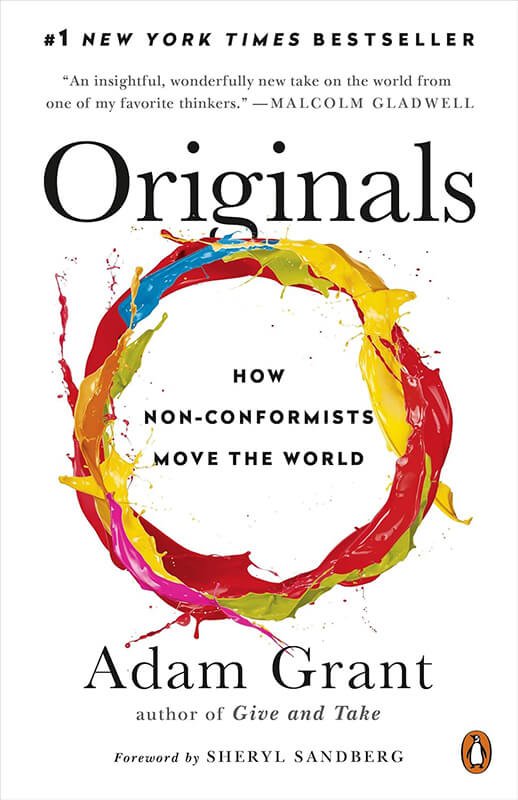
“Originals” by Adam Grant
Examines how non-conformists move the world and champion novel ideas, complementing Epstein’s focus on diverse thinking.
Rating: 4.5/5
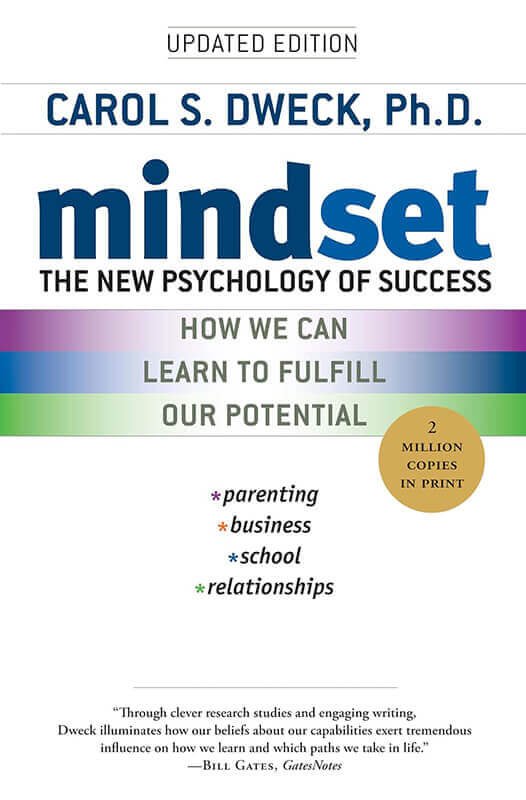
“Mindset: The New Psychology of Success” by Carol S. Dweck
Explores the power of our mindset in achieving success, aligning well with Epstein’s ideas about adaptability and growth.
Rating: 4.6/5
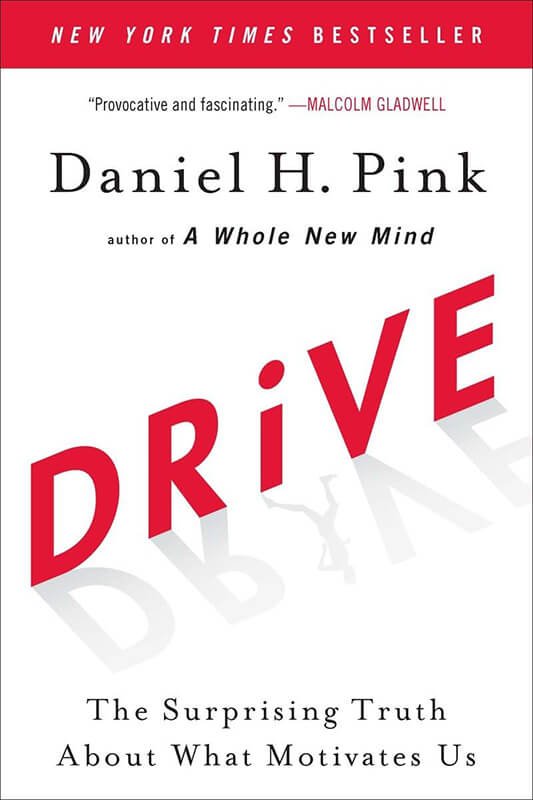
“Drive: The Surprising Truth About What Motivates Us” by Daniel H. Pink
Offers insights into human motivation that can help readers apply the concepts from “Range” in their personal and professional lives.
Rating: 4.4/5