

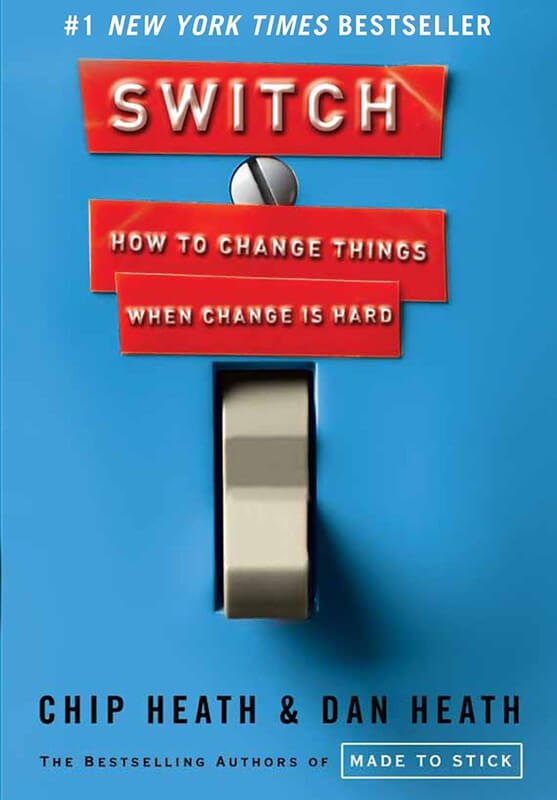
Today more than ever change is constant, Chip Heath and Dan Heath’s “Switch: How to Change Things When Change Is Hard”, doesn’t just explain why change is hard; it provides a clear, actionable roadmap for overcoming obstacles and creating lasting transformations.
Published in 2010, this book offers an insightful approach to navigating personal and organizational change. The Heath brothers combine psychology, human behavior, and real-world case studies to present a compelling framework for making change happen, even when it seems impossible.
Core Concepts
The Heath brothers build their change framework around three essential elements that must work in harmony to create lasting change:
- Direct the Rider (The Rational Mind)
- Find the bright spots – examine what’s working and clone it
- Script the critical moves – make specific, actionable plans
- Point to the destination – clarify the end goal
- Motivate the Elephant (The Emotional Side)
- Find the feeling – make people feel something
- Shrink the change – break down big changes into smaller steps
- Grow your people – cultivate a growth mindset and build identity
- Shape the Path (The Environment)
- Tweak the environment – adjust surroundings to support change
- Build habits – create action triggers
- Rally the herd – behavior is contagious, help it spread
By addressing these three aspects simultaneously, the authors argue that we can create powerful change in our lives and organizations. The book provides strategies to align our rational thoughts, emotional drives, and surrounding environment to facilitate smoother, more successful transitions.
Chapter-by-Chapter Review
Introduction: Three Surprises About Change
Chip and Dan Heath introduce the central challenge of the book: people often know what they should do but still struggle to change. They explain the three forces that must work together—the rational Rider, the emotional Elephant, and the surrounding Path—to make lasting change possible.
Chapter 1: Find the Bright Spots
The authors argue that successful change often begins by looking for what is already working. Rather than focusing entirely on problems, identify the situations where things are going well and study what can be repeated elsewhere.
Chapter 2: Script the Critical Moves
People often resist change because they are given vague instructions rather than clear actions. The authors show how breaking a large goal into a few specific behaviours gives the Rider a clear direction and makes change easier to execute.
Chapter 3: Point to the Destination
A change effort needs a clear and motivating picture of where it is going. The authors explain how a vivid destination helps people understand why the change matters and gives them something concrete to work toward.
Chapter 4: Find the Feeling
Facts and analysis alone rarely create lasting change. The authors show how emotional experiences can motivate people more effectively than statistics, especially when the goal is to influence behaviour rather than simply provide information.
Chapter 5: Shrink the Change
Large changes can feel overwhelming, causing people to give up before they begin. The authors recommend breaking change into small, manageable steps that create early progress and build confidence.
Chapter 6: Grow Your People
People are more likely to change when they see themselves as capable of doing so. The authors encourage creating an identity around the desired behaviour and reinforcing a growth mindset rather than treating abilities as fixed.
Chapter 7: Tweak the Environment
Behaviour is strongly influenced by the environment in which it occurs. Instead of relying entirely on willpower, the authors suggest changing the surroundings so that the desired behaviour becomes easier and the unwanted behaviour becomes harder.
Chapter 8: Build Habits
Habits reduce the amount of conscious effort required to maintain change. The authors explain how prompts, routines, and simple environmental cues can turn desired behaviours into automatic ones.
Chapter 9: Rally the Herd
People take cues from those around them, often without realising it. The authors show how social norms and peer behaviour can either reinforce old habits or make new behaviours feel normal and desirable.
Chapter 10: Keep the Switch Going
Successful change is rarely a single event; it requires reinforcing progress over time. The authors bring together the Rider, Elephant, and Path and show how continued attention to all three helps prevent people from slipping back into old patterns.
Conclusion: In Pursuit of Change
The book concludes that difficult change becomes more manageable when the rational mind has clear direction, the emotional side is motivated, and the environment supports the desired behaviour. The framework provides a practical way to turn good intentions into sustained action.
Key Strengths
- Offers a clear, memorable framework for approaching change
- Packed with engaging real-world examples and case studies
- Provides practical, actionable strategies for implementing change
- Balances psychological insights with pragmatic advice
- Applicable to both personal and organizational change
Potential Drawbacks
- Some readers may find certain examples oversimplified
- While the framework is powerful, it may not address all the complexities of change in every situation, particularly in larger, more complex organizations
Who This Book Is For
“Switch” is an invaluable resource for a wide range of individuals seeking to drive change in their personal lives, careers, or organizations. It’s particularly well-suited for:
- Leaders and managers tasked with implementing organizational changes
- Individuals struggling to make personal changes stick
- Change management professionals looking for fresh perspectives
- Anyone interested in understanding the psychology of change and human behavior
Final Review
“Switch” is a game-changing book that has the power to transform how you approach change in all aspects of life. The Heath brothers’ engaging writing style and practical framework make complex psychological concepts accessible and immediately applicable. By addressing both the rational and emotional aspects of change, as well as the environment in which change occurs, “Switch” provides a holistic approach that significantly increases the likelihood of success.
While implementing the book’s strategies may require effort and practice, the potential benefits – from personal growth to organizational transformation – make it well worth the investment. “Switch” doesn’t just explain why change is hard; it empowers you with the tools to make change happen.
Rating: 4.6/5
An essential read for anyone looking to drive positive change, overcome resistance, and create lasting transformations in their personal life or professional environment.
Alternative Books
If you are looking for other books like “Switch”, consider these alternatives:
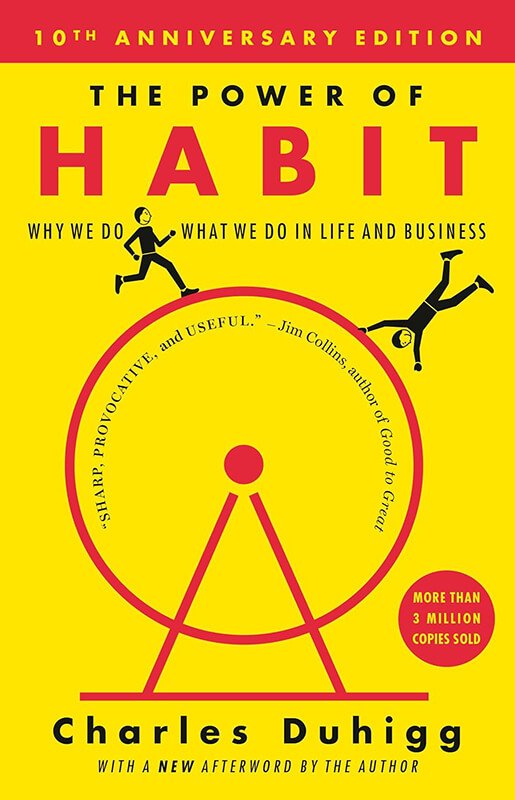
The Power of Habit by Charles Duhigg
Explores the science behind habit formation and change, complementing the strategies in “Switch”.
Rating: 4.6/5
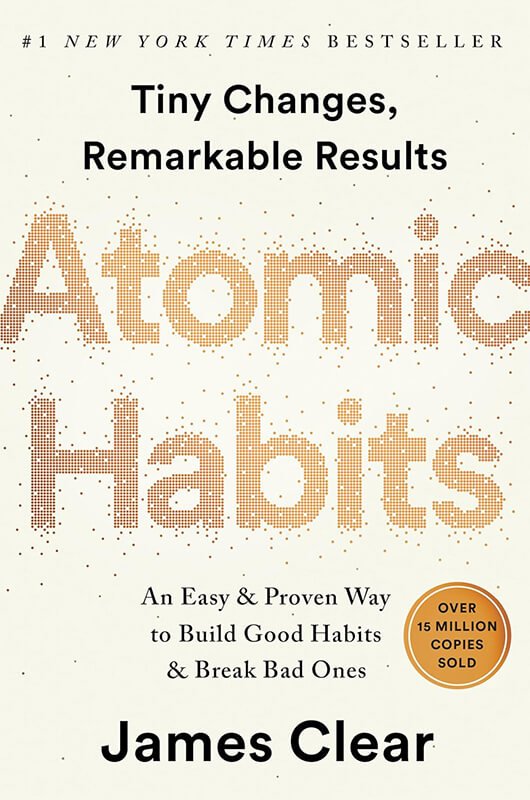
Atomic Habits by James Clear
Offers a practical guide to forming good habits and breaking bad ones, aligning well with the behavior change focus of “Switch”.
Rating: 4.8/5
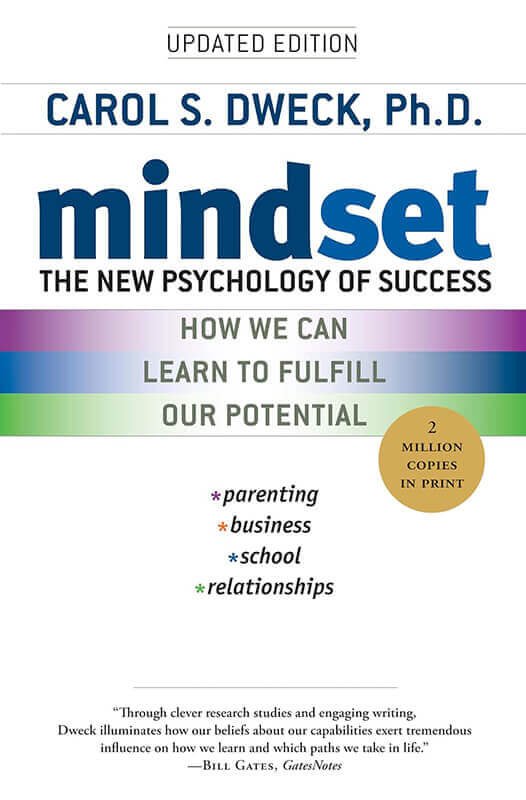
Mindset: The New Psychology of Success by Carol S. Dweck
Examines how our mindset affects our ability to grow and change, providing valuable insights that complement the “Switch” framework.
Rating: 4.6/5