
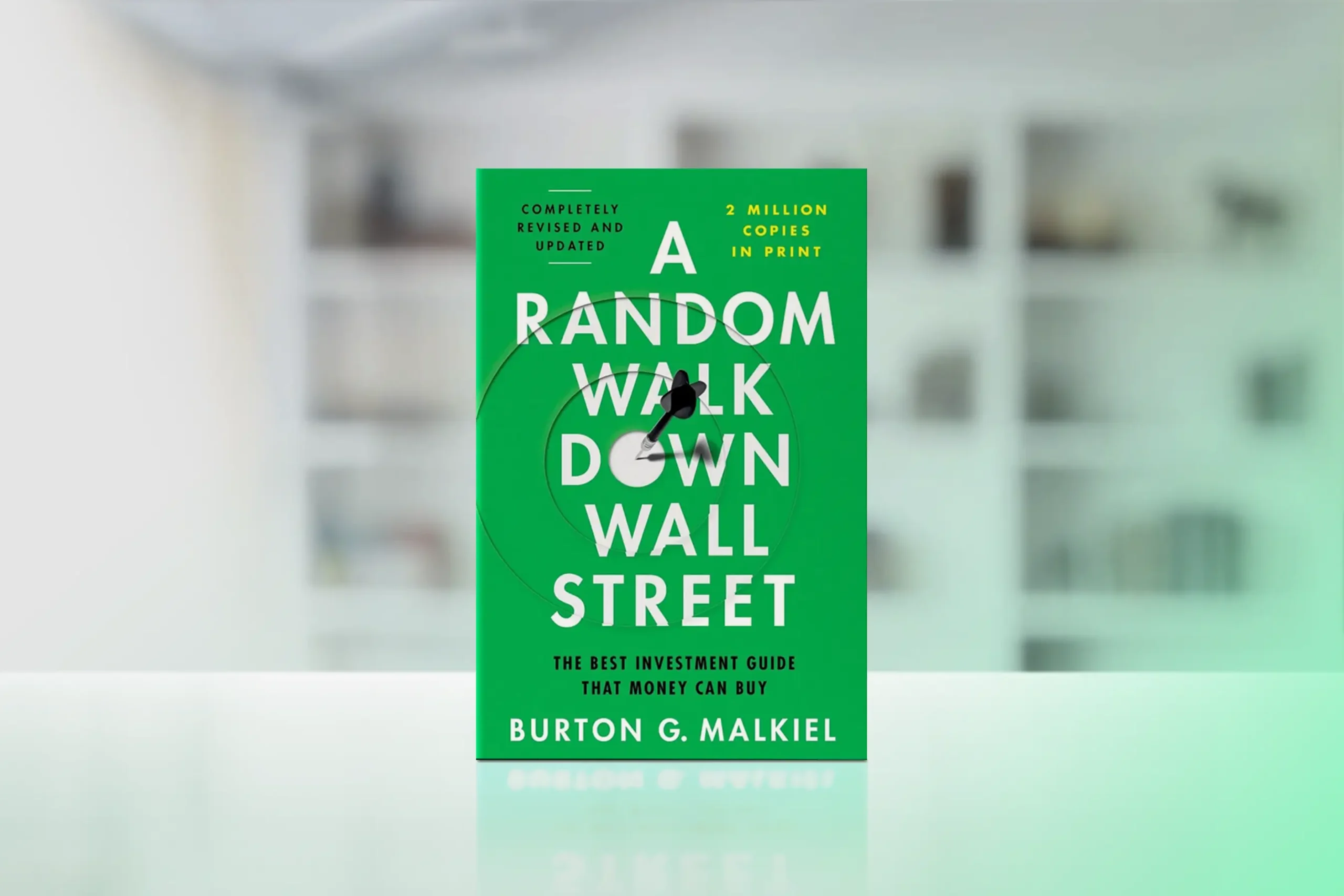
First published in 1973 and regularly updated since, “A Random Walk Down Wall Street” by Burton G. Malkiel has become a cornerstone in the world of investment literature. This influential book challenges conventional wisdom about stock market behavior and offers a compelling argument for a passive investment approach. Malkiel’s work has not only stood the test of time but has also shaped the way many individuals and professionals approach investing in the ever-changing financial landscape.
Core Concepts
A Random Walk Down Wall Street presents several key ideas that have profoundly influenced modern investment theory and practice:
- The Random Walk Hypothesis: Stock price movements are unpredictable and follow a random pattern
- Efficient Market Hypothesis: Market prices reflect all available information, making it difficult to consistently outperform the market
- Index Fund Investing: Advocating for low-cost, diversified index funds as the most effective strategy for most investors
- Critique of Technical and Fundamental Analysis: Challenging the effectiveness of traditional stock-picking methods
- Asset Allocation: Emphasizing the importance of diversification across different asset classes
These concepts aim to empower readers with a clear, rational approach to investing that can potentially lead to better long-term financial outcomes while minimizing risk and avoiding common pitfalls.
Chapter-by-Chapter Review
Part One: Stocks and Their Value
Malkiel introduces the two competing ways of thinking about stock prices: the firm-foundation theory and the castle-in-the-air theory. He then explores market bubbles and historical episodes of speculation to show how investor psychology can push prices far beyond reasonable valuations.
Part Two: How the Pros Play the Biggest Game in Town
This section examines technical and fundamental analysis and questions whether either approach can consistently outperform the market. Malkiel uses the random-walk theory and efficient-market ideas to challenge the belief that professional investors can reliably predict future stock prices.
Part Three: The New Investment Technology
Malkiel moves from traditional stock analysis to modern portfolio theory, risk and return, behavioral finance, and newer approaches to portfolio construction. The section explains why diversification and managing risk are more reliable than trying to identify the next winning investment.
Part Four: A Practical Guide for Random Walkers and Other Investors
The final section turns the theory into practical investing advice. Malkiel covers portfolio construction, expected returns, investing at different stages of life, and the importance of keeping costs low, diversifying broadly, and staying disciplined.
Conclusion: Three Giant Steps Down Wall Street
The book ultimately comes back to a simple approach: save consistently, diversify, control costs, and avoid trying to outsmart the market. For most investors, a disciplined index-based strategy is more dependable than constantly searching for the next opportunity.
Key Strengths
- Comprehensive overview of investment theory and practice
- Clear, logical arguments supported by extensive research
- Practical advice for investors at all levels of experience
- Regular updates keep the content relevant to current market conditions
- Challenges common misconceptions about investing
Potential Drawbacks
- Some readers might find certain sections too technical or academic
- The strong advocacy for passive investing may not appeal to those interested in active trading strategies
Who This Book Is For
A Random Walk Down Wall Street is particularly valuable for:
- Individual investors looking to understand the fundamentals of stock market investing
- Finance students seeking a comprehensive overview of investment theories
- Active investors considering a shift to a more passive approach
- Anyone interested in the history and evolution of financial markets and investment strategies
Final Review
A Random Walk Down Wall Street remains a crucial read for anyone serious about understanding the principles of smart investing. Malkiel’s clear explanations and logical arguments provide readers with the tools to make informed decisions about their financial futures.
The book’s enduring popularity is a testament to its value, offering timeless wisdom in an ever-changing financial landscape. By advocating for a simple, low-cost approach to investing, Malkiel empowers readers to take control of their financial destinies without falling prey to the often misleading promises of beat-the-market strategies.
While some may find the critique of active management controversial, the book presents a compelling case for index investing that has been largely vindicated by decades of market performance. Implementing the book’s principles requires discipline and a long-term perspective, but the potential benefits in terms of reduced stress and improved returns make it a worthwhile endeavor.
Rating: 4.5/5
An essential guide that demystifies investing and offers a clear path to financial success.
Alternative Books
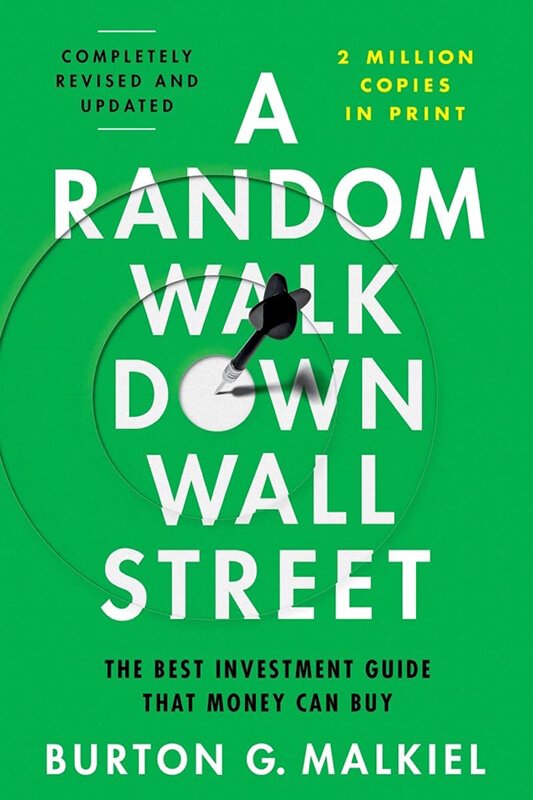
If you are looking for other books like A Random Walk Down Wall Street you might also find value in these related books:
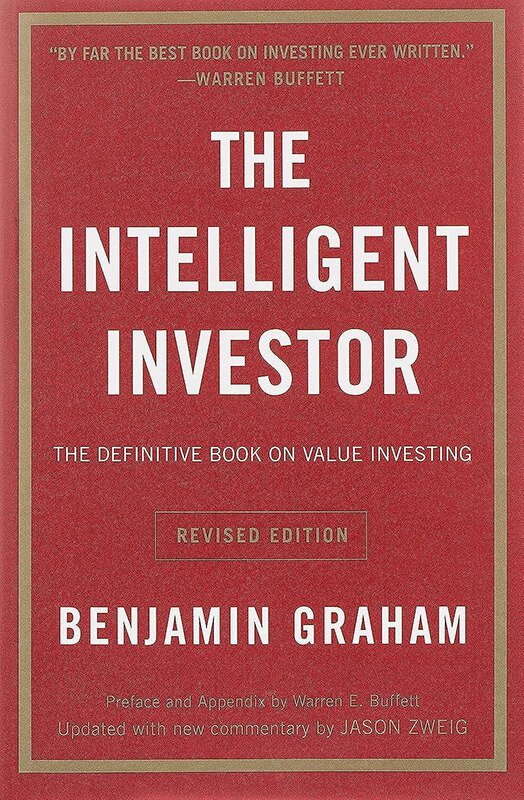
“The Intelligent Investor” by Benjamin Graham
A classic text on value investing and fundamental analysis.
Rating 4.6/5
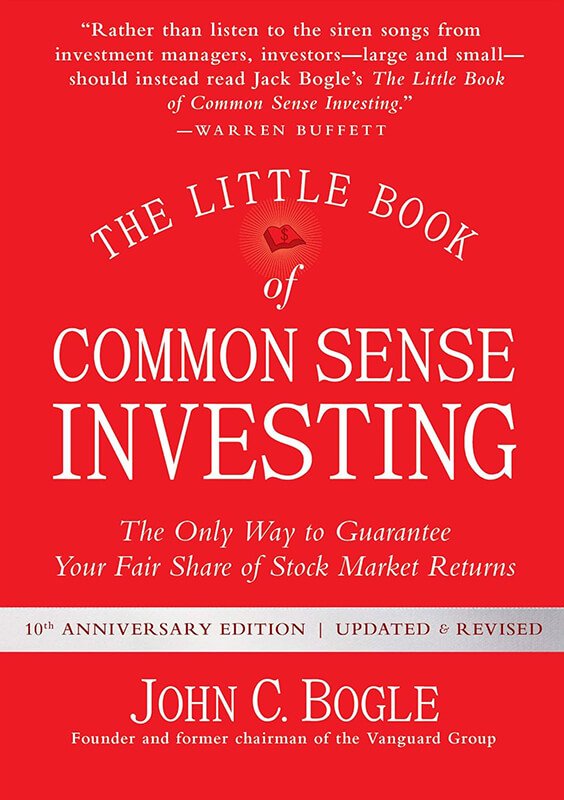
“The Little Book of Common Sense Investing” by John C. Bogle
A concise argument for index fund investing by the founder of Vanguard.
Rating 4.7/5
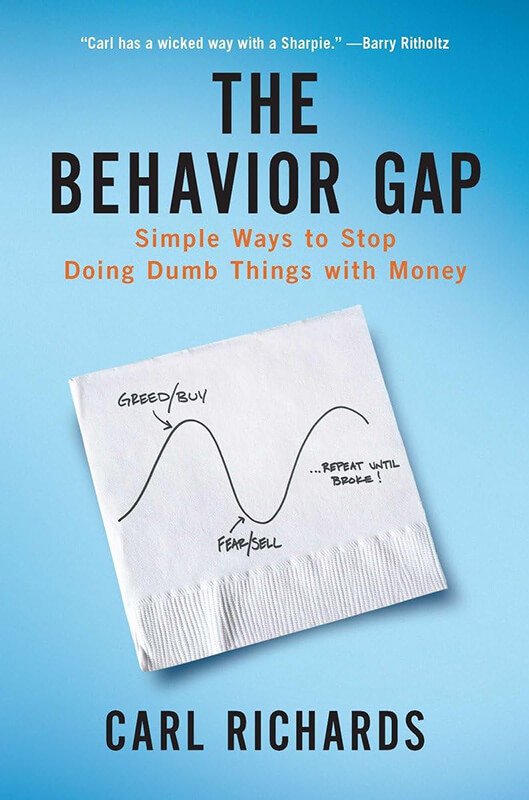
“The Behavior Gap” by Carl Richards
Explores how our behavior affects our financial decisions and offers strategies to improve financial well-being.
Rating 4.5/5