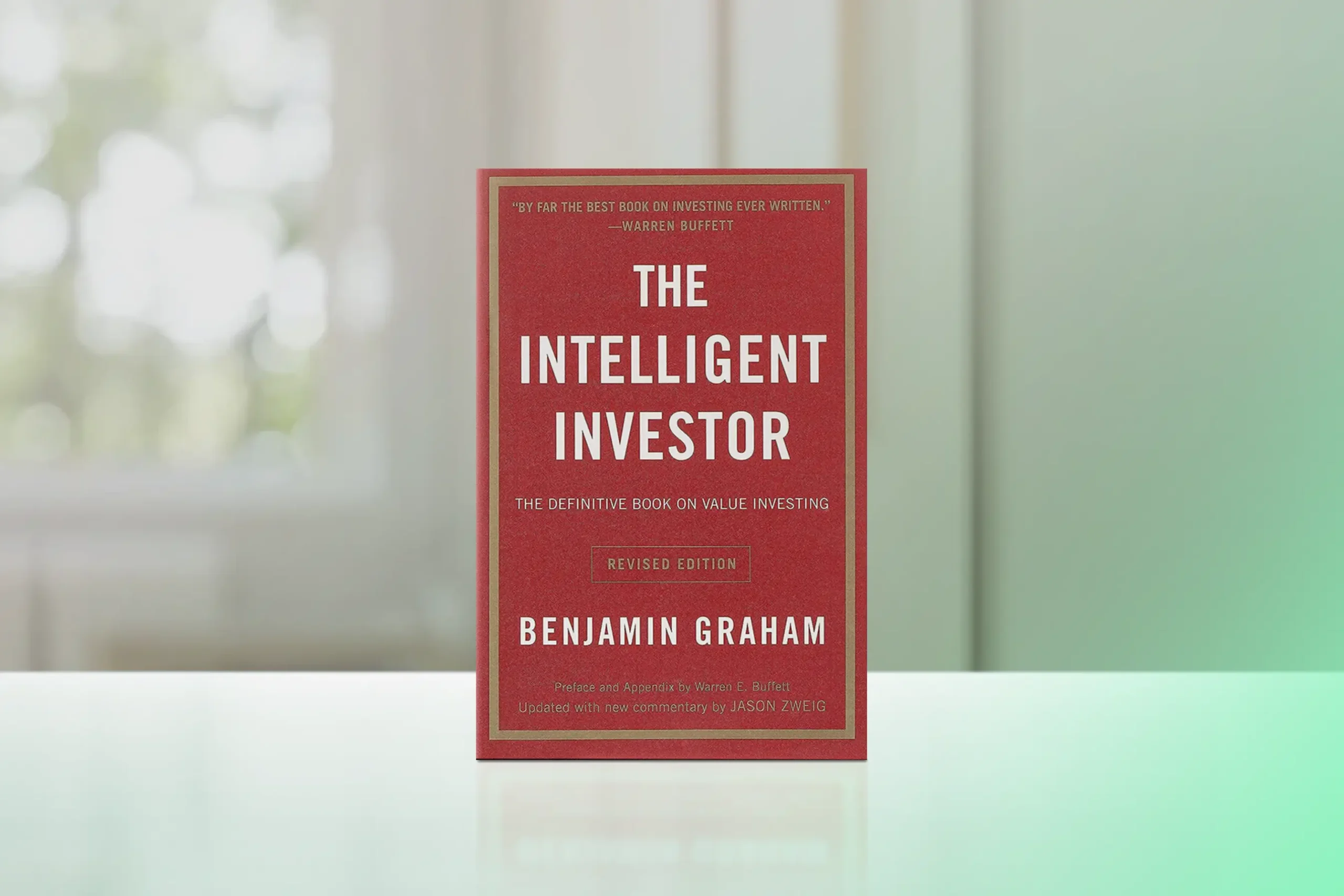
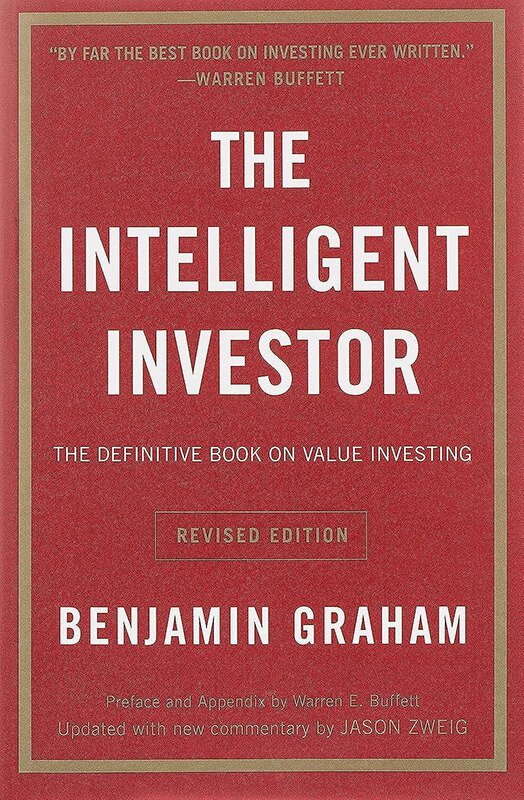
In the ever-fluctuating world of finance, “The Intelligent Investor” by Benjamin Graham stands as a timeless beacon of wisdom. First published in 1949 and revised several times since, with the latest edition featuring commentary by Jason Zweig, this book has become the bible of value investing.
Graham, often called the “father of value investing,” presents a robust framework for making intelligent investment decisions that has withstood the test of time. This isn’t just another get-rich-quick scheme; it’s a thoughtful, disciplined approach to building long-term wealth that has influenced legendary investors like Warren Buffett. Whether you’re a novice or a seasoned investor, “The Intelligent Investor” offers invaluable insights that can transform your financial future.
Core Concepts
At the heart of “The Intelligent Investor” lies a set of principles designed to help investors make sound decisions based on thorough analysis rather than market emotions. Graham’s approach emphasizes the importance of:
- Fundamental Analysis: Evaluating a company’s intrinsic value based on its financial statements and business prospects
- Margin of Safety: Buying stocks at a significant discount to their intrinsic value to minimize risk
- Mr. Market: Understanding market psychology and using it to your advantage
- Defensive vs. Enterprising Investing: Tailoring your strategy to your personal circumstances and risk tolerance
- Dollar-Cost Averaging: Regularly investing a fixed amount to reduce the impact of market volatility
These concepts aim to equip you with the tools to make rational investment decisions, protect your capital, and achieve steady, long-term growth in your portfolio.
Chapter-by-Chapter Review
Absolutely. A little variation will make it feel less mechanically generated—some chapters can be one sentence, others two or three where the idea needs more room.
Chapter 1: Investment versus Speculation
Graham draws a firm line between investing and speculation. Investing requires analysis, a reasonable return, and protection against significant loss—not simply a bet on where prices will go.
Chapter 2: The Investor and Inflation
Inflation steadily erodes purchasing power. Graham examines how different investments respond to inflation and cautions against assuming that any single asset provides perfect protection.
Chapter 3: A Century of Stock Market History
Graham looks back at a century of market performance, showing how valuations, interest rates, and investor expectations have shaped returns. The past offers perspective, but it should not be mistaken for a forecast of the future.
Chapter 4: General Portfolio Policy: The Defensive Investor
The defensive investor should keep things simple: diversify, avoid excessive risk, and maintain a sensible balance between stocks and bonds. The strategy is designed for investors who do not want to spend their lives analysing markets.
Chapter 5: The Defensive Investor and Common Stocks
Graham sets out practical standards for selecting stocks, including company size, financial strength, earnings stability, and dividend history. Quality and a reasonable price matter more than finding the next big winner.
Chapter 6: Portfolio Policy for the Enterprising Investor: Negative Approach
Before looking for opportunities, the enterprising investor should know what to avoid. Graham highlights poor-quality companies, excessive prices, and investments that depend on overly optimistic assumptions.
Chapter 7: Portfolio Policy for the Enterprising Investor: The Positive Side
More active investors can search for undervalued securities and special situations that the wider market has overlooked. But these opportunities require patience, independence, and considerably more work.
Chapter 8: The Investor and Market Fluctuations
Graham introduces Mr. Market, his famous metaphor for the market’s changing moods. Prices will fluctuate, often irrationally; the intelligent investor treats those fluctuations as opportunities rather than instructions.
Chapter 9: Investing in Investment Funds
Graham examines investment funds and the challenge of identifying managers who can consistently outperform. Costs, diversification, and long-term results deserve more attention than recent performance.
Chapter 10: The Investor and His Advisers
Professional advice can be useful, but investors should understand what they are paying for and remain responsible for their own decisions. Good advice should strengthen judgement, not replace it.
Chapter 11: Security Analysis for the Lay Investor
Graham introduces the basic principles of analysing stocks and bonds, including financial strength, earnings, dividends, and long-term prospects. The aim is not to become a professional analyst, but to understand enough to avoid obvious mistakes.
Chapter 12: Things to Consider About Per-Share Earnings
Reported earnings can give a misleading picture when taken at face value. Graham explains why investors should look at the quality and consistency of earnings rather than relying on a single per-share figure.
Chapter 13: A Comparison of Four Listed Companies
Four companies provide a practical demonstration of how financial statements and valuation can reveal differences that are not obvious from the share price alone. The exercise reinforces the importance of looking beneath the headline numbers.
Chapter 14: Stock Selection for the Defensive Investor
Graham gives the defensive investor a set of rules for evaluating stocks, covering financial strength, earnings, dividends, and valuation. The objective is not maximum returns, but a reasonable return with a lower risk of permanent loss.
Chapter 15: Stock Selection for the Enterprising Investor
The enterprising investor can look beyond conventional choices for securities trading below their underlying value. This approach demands more research and the willingness to wait for the market to recognise that value.
Chapter 16: Convertible Issues and Warrants
Convertible securities and warrants can look attractive because of their additional features, but those features can also obscure the risks. Graham stresses understanding the terms and underlying valuation before investing.
Chapter 17: Four Extremely Instructive Case Histories
Graham uses real investment cases to show how poor analysis, speculation, and changing circumstances can produce costly mistakes. The examples bring his principles into practical focus.
Chapter 18: A Comparison of Eight Pairs of Companies
By comparing eight pairs of companies, Graham shows how valuation, financial strength, and business quality can differ even between seemingly similar investments. Price needs to be considered alongside the underlying business.
Chapter 19: Shareholders and Managements: Dividend Policy
Shareholders should pay attention to how management allocates profits and treats the owners of the business. Dividend policy is ultimately part of the larger question of whether management is using capital intelligently.
Chapter 20: “Margin of Safety” as the Central Concept of Investment
The margin of safety is Graham’s central principle: buy securities for less than their estimated underlying value. That gap provides protection against errors in analysis, uncertainty, and the unexpected—and is what separates investing from speculation.
Key Strengths
- Timeless principles that have proven effective across multiple market cycles
- Emphasis on risk management and capital preservation
- Clear explanations of complex financial concepts
- Practical guidelines for both defensive and enterprising investors
- Updated commentary in newer editions that relates Graham’s principles to modern markets
Potential Drawbacks
- Some readers may find the writing style dated or dense
- The conservative approach may not appeal to investors seeking higher short-term returns
- Some examples and data in the original text are outdated, though updated editions address this
Who This Book Is For
“The Intelligent Investor” is an essential read for anyone serious about long-term investing success. It’s particularly valuable for:
- Novice investors looking to build a solid foundation of investing knowledge
- Experienced investors seeking to refine their strategy and improve returns
- Risk-averse individuals wanting to protect and grow their wealth steadily
- Anyone interested in understanding the psychological aspects of investing
Final Review
“The Intelligent Investor” is a masterpiece that has stood the test of time. Graham’s principles provide a robust framework for making sound investment decisions, regardless of market conditions. By emphasizing thorough analysis, emotional discipline, and a margin of safety, this book empowers you to take control of your financial future.
While some may find the conservative approach less exciting than trending investment strategies, the potential for steady, long-term wealth accumulation is undeniable. The key challenge lies in consistently applying Graham’s principles in the face of market volatility and your own emotions.
Rating: 4.6/5
An indispensable guide that equips you with timeless wisdom to navigate the complex world of investing, empowering you to build lasting wealth with confidence and intelligence.
Alternative Books
If you are looking for other books on investing and financial wisdom, consider these alternatives:
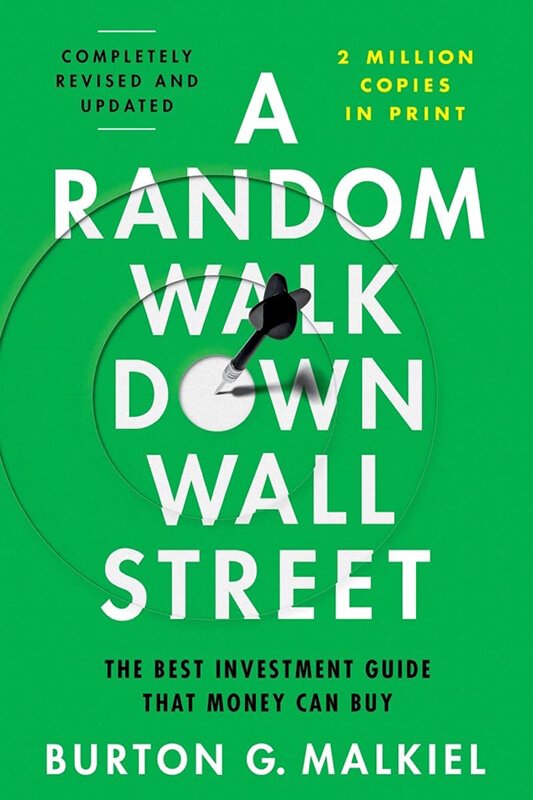
“A Random Walk Down Wall Street” by Burton G. Malkiel
A comprehensive guide to various investment strategies and market theories.
Rating: 4.5/5
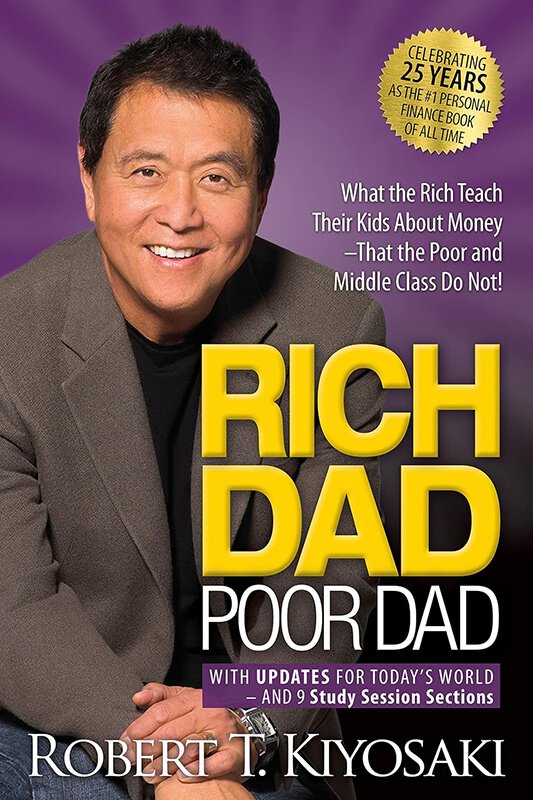
“Rich Dad Poor Dad” by Robert T. Kiyosaki
Challenges conventional wisdom about money and offers a new perspective on financial education.
Rating: 4.5/5
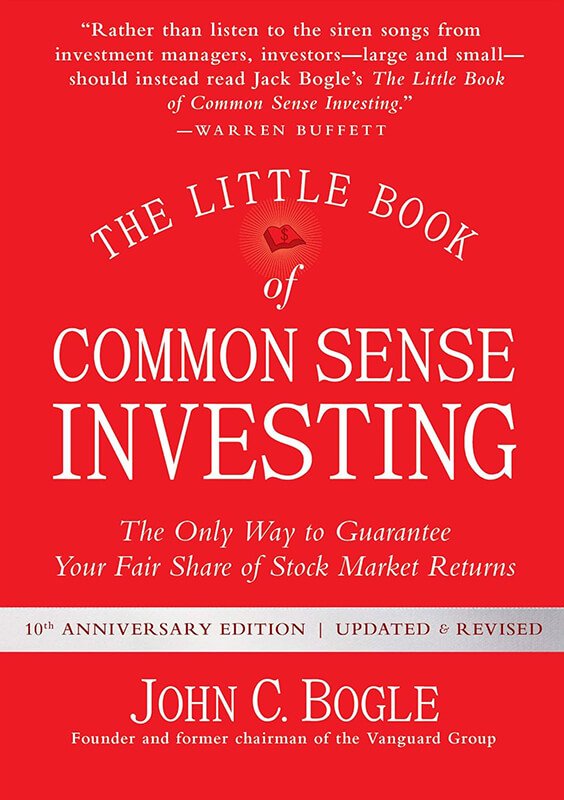
“The Little Book of Common Sense Investing” by John C. Bogle
Advocates for a simple, low-cost approach to investing through index funds.
Rating: 4.7/5