
Debt is one of the most common barriers to financial freedom, and most people are carrying more of it than they feel comfortable admitting. The problem is rarely motivation. It is almost always the absence of a clear debt management plan. These six practical debt management techniques create real momentum, reduce what you owe faster, and build the habits that keep you free long after the last payment is made.
Inside this article:
TL;DR:
- Start with a complete inventory of everything you owe.
- A debt-focused budget tells your money where to go.
- Snowball builds momentum; Avalanche saves the most money.
- Lower interest rates accelerate repayment without extra payments.
- An emergency fund protects your repayment progress.
- Consistent, intentional action wins over motivation alone.
1. Face the Numbers
Most people underestimate their debt because they have never actually looked at all of it in one place. A complete debt inventory changes that. It gives you an honest picture of exactly where you stand and a foundation for every decision that follows.

What It Is
A debt inventory is a single list of every debt you owe, with the key details for each one recorded clearly. It might feel uncomfortable to put it all down on paper. Do it anyway. Clarity is the first act of financial courage.
How to Build Yours
Gather every loan, credit card, and debt statement you have. For each one, record the following:
- Creditor name — who you owe
- Total balance — the current amount outstanding
- Interest rate — the annual percentage rate (APR)
- Minimum payment — the required monthly amount
- Due date — your monthly payment deadline
Once your list is complete, calculate your total debt and your total monthly minimum payments. Note which debts carry the highest interest rates and the largest balances. These two figures will guide your strategy.
Financial Wellness: Overcoming Money Stress and Building Financial Confidence explores how facing your financial reality head-on is the first step toward lasting confidence and control.
Key Takeaway: You cannot manage what you do not measure. Your inventory is not just a list. It is a starting line.
2. Build a Debt Budget
A budget is where intention meets action. Without one, extra money disappears into daily spending rather than reducing what you owe. A debt-focused budget does one thing above all else: it makes debt repayment a fixed priority, not an afterthought.

Why It Works
Most people try to pay extra on debt with whatever is left at the end of the month. That approach rarely produces results. A budget flips the order. You decide how much goes toward debt first, then work within what remains.
How to Build One
- Calculate your total monthly after-tax income.
- List every essential expense: housing, utilities, food, transport, and insurance.
- Identify non-essential spending and decide what can be redirected.
- Set a firm monthly debt repayment target above your minimum payments.
- Automate the payment so it happens on payday, not whenever you remember.
Every pound or dollar you give a purpose before the month begins is one less decision you have to make under pressure later.
Budgeting Basics: What Is a Budget and Why It’s So Important is a strong companion read if you are building your first structured budget.
7 Simple Ways to Track Your Spending and Save More Money offers practical tools to find where your money is actually going each month.
Key Takeaway: Every pound should have a purpose before the month begins. A debt budget makes repayment inevitable rather than optional.
3. The Snowball Method
The Debt Snowball is not the most mathematically efficient strategy, and that is precisely why it works for so many people. It is built on the psychology of momentum. Small wins create the belief that bigger wins are possible.

How It Works
Rank your debts from the smallest balance to the largest. Make minimum payments on everything. Then put every extra pound you have toward the smallest debt. When it is paid off, roll that entire payment into the next smallest. The payments snowball as each debt disappears.
See It in Action
Say you have three debts: Credit Card A at $500, Credit Card B at $2,000, and a Personal Loan at $8,000. You attack Credit Card A first. Once it is gone, that payment rolls into Credit Card B. Then both combined payments hit the loan. The momentum builds with every account you close.
Research in behavioural finance consistently shows that motivation to repay debt increases significantly after an account is closed, even when the remaining balances are larger. The Snowball leverages this directly.
The Psychology of Debt Repayment: Staying Motivated on Your Financial Journey digs deeper into why behavioural momentum matters as much as strategy when you are paying off debt.
Key Takeaway: Behavioural momentum can be more powerful than pure mathematics. If the Snowball keeps you going, it is the right method for you.
4. The Avalanche Method
If the Snowball is about psychology, the Avalanche is about maths. This approach targets your highest-interest debt first, which means you pay less in total interest over time and often clear your debt faster than any other strategy.

How It Works
Rank your debts by interest rate from highest to lowest. Make minimum payments on all of them. Direct every additional payment toward the highest-rate debt. Once it is cleared, move to the next. Repeat until every debt is gone.
In Practice
Using the same debts differently: your Credit Card at 24% goes first, then the Personal Loan at 12%, then the Auto Loan at 5%. You pay less interest overall and clear your debt faster than with any other approach.
The Avalanche is the better choice for anyone disciplined enough to stay the course without the early wins the Snowball provides. Neither method is wrong. The best one is the one you will actually stick to.
The Psychology of Saving: Maintaining Motivation in Your Financial Journey covers how to stay committed when financial progress feels slow, which is especially relevant for Avalanche users in the early months.
Key Takeaway: The Avalanche method is the most cost-effective strategy mathematically. Pair it with the right mindset and it will save you both money and time.
5. Lower Your Interest Costs
Every pound of interest you pay is a pound that does not reduce what you owe. Lowering your interest rates is one of the most powerful levers in any debt management plan because it accelerates repayment without requiring you to find extra cash.

Three Ways to Reduce Interest
- Negotiate directly. Contact your lender and ask for a lower rate. It works more often than most people expect, particularly if you have a good payment history.
- Balance transfer offers. Move high-interest credit card debt to a card with a 0% introductory period. Pay it down aggressively before the promotional rate expires.
- Debt consolidation loans. Combine multiple debts into a single loan at a lower overall rate. Always compare fees against the projected interest savings before proceeding.
One important warning: consolidation only works if you stop accumulating new debt at the same time. Taking out a consolidation loan and then rebuilding credit card balances is a common trap that leaves people worse off.
Debt Management: How to Pay Off Debt and Improve Your Credit Score covers how strategic repayment also improves your credit profile over time, opening up better borrowing options.
Key Takeaway: Lower interest accelerates your path to debt freedom without requiring higher payments. Review your rates now, not eventually.
6. Build an Emergency Fund
An emergency fund is not a luxury. It is the foundation that keeps your debt management plan intact. Without one, the first unexpected expense forces you back onto a credit card, and the cycle starts again.

Why This Is Part of a Debt Plan
Most people in debt are there partly because an emergency once had nowhere else to go. A car repair, a medical bill, a period of reduced income. When there is no reserve, debt becomes the only option. Building even a small buffer changes that dynamic entirely.
How to Start
- Set an initial target of £500 to £1,000. That covers most common emergencies.
- Automate a fixed transfer into a separate savings account on payday.
- Treat this account as untouchable except for genuine emergencies.
- Replenish it immediately after any withdrawal.
- Over time, build toward three to six months of essential expenses.
Yes, you are paying interest on debt while saving at a lower rate. The trade-off is worth it. The cost of protecting your repayment momentum far outweighs the marginal interest difference.
How to Build an Emergency Fund: The Key to Financial Security walks through how to grow your reserve steadily, even when cash flow is tight.
How to Build an Emergency Fund When Money Is Tight is essential reading if you are managing debt repayment and saving at the same time.
Key Takeaway: Debt freedom is far easier to maintain when emergencies do not become new debt. Start your fund now, even if it is small.
Your Debt-Free Journey
Becoming debt-free is a journey that builds character, discipline, and financial wisdom. Each payment moves you closer to financial independence and opens new possibilities for your future.
Your Next Steps
- Complete your debt inventory this week.
- Build a budget that prioritises debt repayment.
- Choose the Snowball or Avalanche method and stay consistent.
- Contact lenders to explore lower interest rates.
- Start an emergency fund with an automatic transfer.
Before you take that first step, take a moment to reflect:
- How will being debt-free change your daily life?
- Which financial habits need to change to prevent future debt?
- What debt-free milestone are you most excited to reach?
Financial freedom is achieved one payment, one habit, and one decision at a time. Progress may feel slow at first, but every step forward reduces the weight of debt and increases your financial confidence. The first step is always the same: begin.
Frequently Asked Questions
What is the fastest way to pay off debt?
The fastest method depends on your discipline level. The Avalanche method — targeting the highest-interest debt first — is mathematically the quickest and cheapest. However, if motivation is a challenge, the Snowball method (smallest balance first) can work faster in practice because it keeps you consistent. Both are significantly faster than paying only minimum amounts each month.
Should I pay off debt or save at the same time?
Both at once is the smarter approach. Build a small emergency fund of £500–£1,000 first, then focus aggressively on debt repayment. Without any savings buffer, a single unexpected expense forces you back into debt and resets your progress. Once high-interest debt is cleared, shift more toward savings. See How to Build an Emergency Fund When Money Is Tight for more.
What is a debt inventory and why do I need one?
A debt inventory is a complete list of every debt you owe, including the balance, interest rate, minimum payment, and due date. Most people underestimate their total debt because they have never looked at it all in one place. Your inventory gives you clarity, allows you to calculate your total obligations, and forms the foundation for every repayment decision that follows. You cannot build a plan around numbers you do not know.
Can I lower my interest rate without a perfect credit score?
Yes, and it is worth trying even if your credit is imperfect. Calling your lender directly and asking for a rate reduction works more often than most people expect, especially with a history of on-time payments. Balance transfer cards with 0% introductory periods are also available across a range of credit profiles. Even a modest rate reduction compounds into significant savings over a multi-year repayment period.
How do I stay motivated when debt repayment feels slow?
Track your progress visually and celebrate every account you close. Behavioural research consistently shows that closing an account — regardless of the remaining balance — significantly increases motivation. Set milestone targets, automate your payments so progress happens without willpower, and revisit your reasons for becoming debt-free regularly. For deeper strategies, see The Psychology of Debt Repayment: Staying Motivated on Your Financial Journey.
Important Disclaimer:
This content is provided for educational and informational purposes only and should not be considered financial, legal, or tax advice. It is intended to help build general financial knowledge and a framework for thinking about personal finance topics such as budgeting, saving, emergency funds, goal-setting, investing, and working toward financial independence or financial freedom.
Everyone’s financial situation, goals, income, expenses, risk tolerance, and time horizon are unique, and the information presented may not be appropriate for your specific circumstances. Before making financial decisions, consider consulting a qualified professional for personalized guidance.
Examples and scenarios are for illustrative purposes only and may be based on assumptions or historical information. Actual outcomes will vary, and no financial strategy is guaranteed to be successful. Past performance does not guarantee future results. Market conditions, economic factors, and individual circumstances can significantly impact investment outcomes. What works for one person may not work for another.
This content should serve as a starting point for financial education, not a substitute for professional advice.
Helpful Resources:
NAPFA: Connects consumers with fee-only fiduciary financial advisors who must put client interests first
CFP Board: Directory of Certified Financial Planner professionals with strict ethics and education standards
Investor.gov: Education initiative from the SEC and FINRA offering free resources on investments
JumpStart: Nonprofit dedicated to financial education with curated resources and tools
Money Helper: Government-backed financial guidance and planning tools
Related Articles
The Psychology of Debt Repayment: Staying Motivated on Your Financial Journey
Stay driven and consistent throughout your debt repayment journey.
The Emotional Side of Debt: Addressing Financial Stress and Anxiety
Tackle the mental and emotional weight debt places on your life.
Budgeting Made Easy: How to Create and Stick to a Budget
Build a practical budget that keeps your repayment plan on track.
Financial Wellness: Overcoming Money Stress and Building Financial Confidence
Build confidence and clarity around your financial situation.
12 Steps to Financial Freedom: From Debt to Financial Independence
A broader roadmap from debt clearance to full financial independence.
Further Reading
“The Total Money Makeover” by Dave Ramsey
A step-by-step plan for eliminating debt and building lasting wealth.
“I Will Teach You to Be Rich” by Ramit Sethi
Practical, modern advice for taking full control of your money.
“The Psychology of Money” by Morgan Housel
How behaviour and mindset shape every financial outcome.
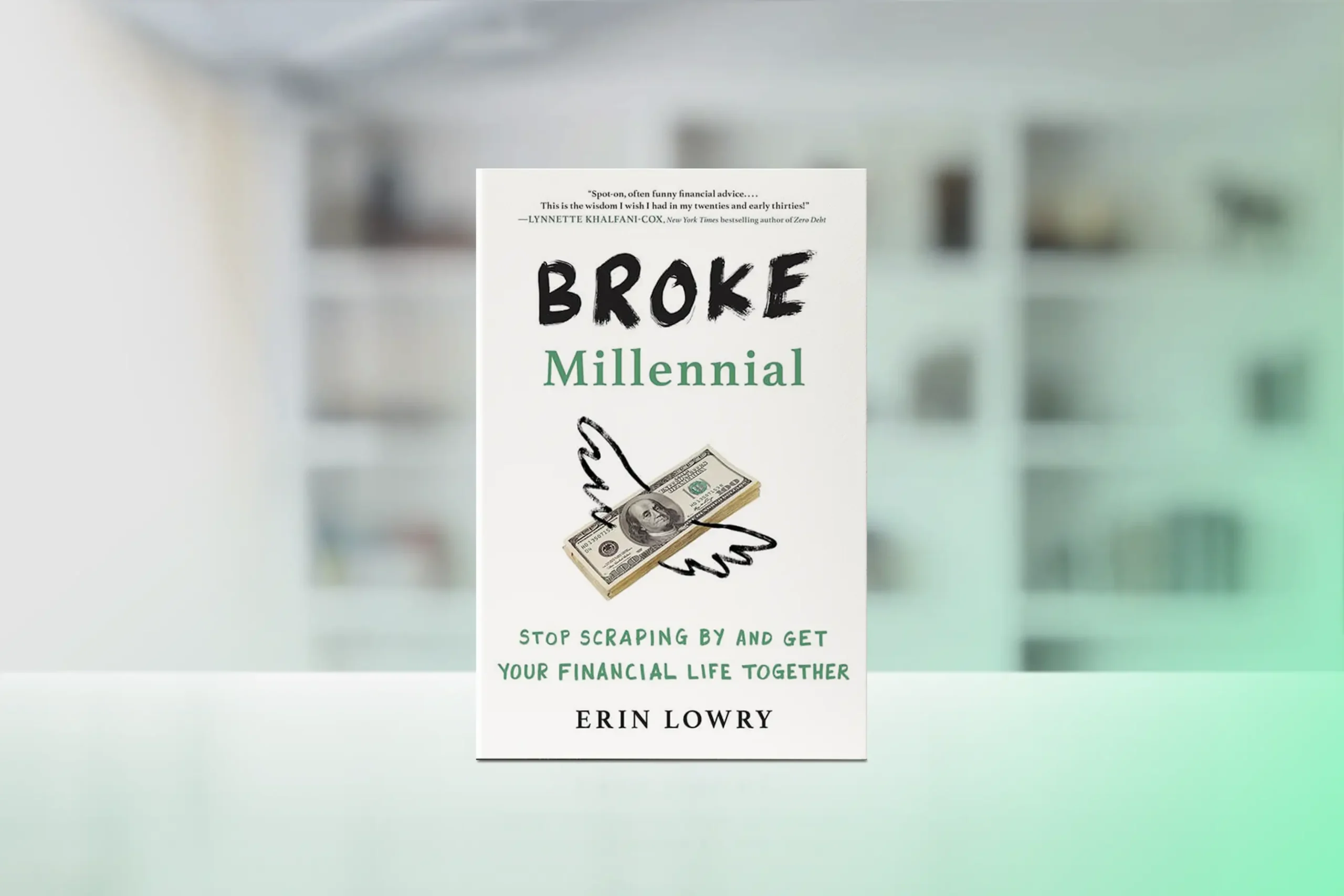
“Broke Millennial” by Erin Lowry
Approachable, honest guidance for getting out of financial chaos.
“Clever Girl Finance” by Bola Sokunbi
Empowering strategies to clear debt and build financial confidence.