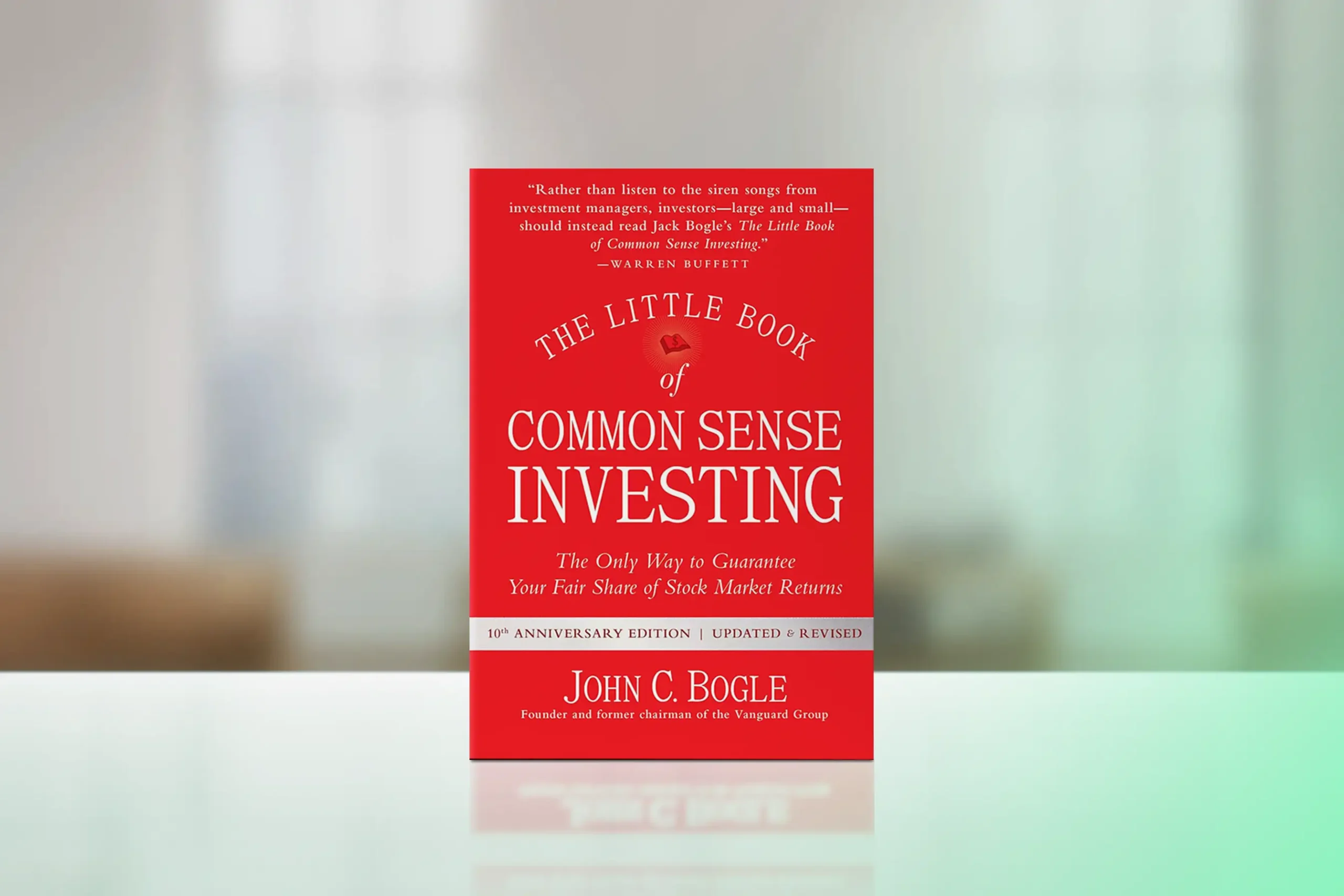
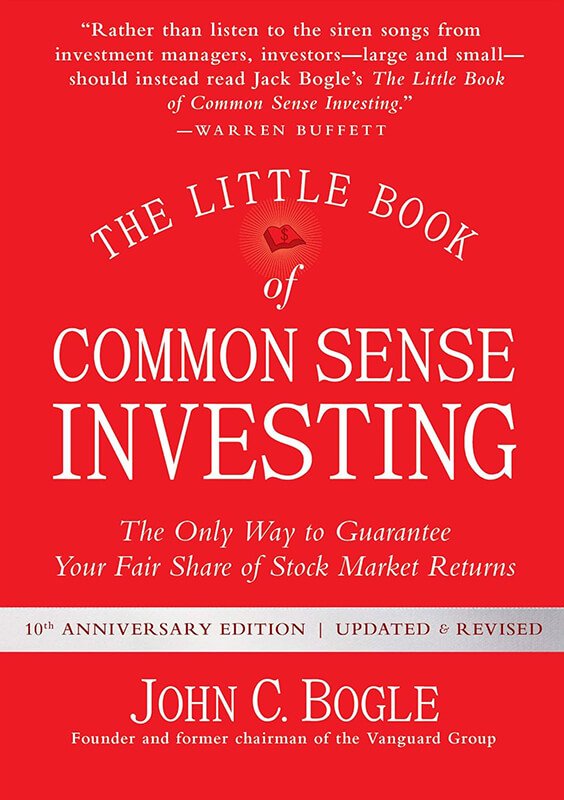
In the ever-evolving world of finance, John C. Bogle’s “The Little Book of Common Sense Investing” stands as a beacon of wisdom for both novice and experienced investors alike.
First published in 2007 and revised in 2017, this compact yet powerful guide challenges conventional investment strategies and presents a compelling case for a simpler, more effective approach to building long-term wealth.
Bogle, the founder of Vanguard Group and creator of the first index mutual fund, distills decades of financial expertise into a clear, actionable strategy centered on low-cost index fund investing.
Core Concepts
At its heart, “The Little Book of Common Sense Investing” advocates for a straightforward investment philosophy that flies in the face of Wall Street’s often complex and costly strategies. Bogle’s approach is built on several key principles:
- Embrace index investing: Invest in low-cost index funds that track the entire stock market
- Minimize costs: Keep investment expenses as low as possible to maximize returns
- Stay the course: Maintain a long-term perspective and avoid reacting to short-term market fluctuations
- Beware of financial industry marketing: Question claims of market-beating performance
- Focus on simplicity: Avoid complicated investment strategies and stick to a basic, diversified portfolio
By following these principles, Bogle argues that investors can harness the power of compound interest and the overall growth of the market, ultimately outperforming the majority of actively managed funds over the long run.
Chapter-by-Chapter Review
Chapters 1–4: Why Indexing Wins
Bogle establishes the foundation of his argument: before costs, investors collectively earn the market return, but after fees, taxes, and trading costs, they must collectively earn less. The simplest way to capture the market’s return is therefore to own it broadly and cheaply rather than trying to identify the winners.
Chapters 5–8: The Power of Long-Term, Low-Cost Investing
Long-term investing allows business growth and compounding to work in your favour, while short-term speculation introduces unnecessary costs and emotional decisions. Bogle repeatedly returns to the importance of low expenses, arguing that humble arithmetic—not clever predictions—is one of the investor’s greatest advantages.
Chapters 9–12: Building the Portfolio
Bogle turns to the practical side of investing, covering taxes, financial advice, index funds, and portfolio construction. The basic approach is straightforward: choose broad, low-cost funds, diversify appropriately, and establish a sensible balance between stocks and bonds based on your circumstances.
Chapters 13–15: Don’t Complicate a Simple Strategy
Bogle examines attempts to improve or modify indexing, including enhanced indexing, bond funds, and ETFs. His concern is that complexity, trading, and higher costs can undermine the very advantages that make indexing effective in the first place.
Chapters 16–17: Indexing and Investment Philosophy
Bogle connects index investing with the principles of Benjamin Graham and reflects on why the strategy has endured. The common thread is discipline: avoid speculation, focus on long-term value, and accept that consistently beating the market is extremely difficult.
Chapters 18–20: What to Do Now
The final chapters turn the philosophy into action. Bogle encourages investors to choose simple, low-cost investments, stay diversified, avoid emotional decisions, and remain invested through market cycles.
The central message is deliberately uncomplicated: own the market, keep costs low, minimise unnecessary activity, and give compounding time to work.
Key Strengths
- Clear, concise explanation of index investing principles
- Backed by extensive data and historical evidence
- Empowers individual investors to take control of their financial future
- Promotes a low-stress, long-term approach to wealth building
- Exposes common pitfalls and misconceptions in the investment industry
Potential Drawbacks
- May seem overly simplistic to those seeking more advanced strategies
- Primarily focused on U.S. markets, with less emphasis on international investing
- Some readers might find the repetition of core concepts redundant
Who This Book Is For
“The Little Book of Common Sense Investing” is an invaluable resource for a wide range of readers, including:
- Beginner investors looking for a solid foundation in investment principles
- Experienced investors seeking to simplify their portfolio and reduce costs
- Anyone disillusioned with complex or underperforming investment strategies
- Individuals preparing for retirement or long-term financial goals
Final Review
John C. Bogle’s “The Little Book of Common Sense Investing” is a game-changing guide that has the power to transform your approach to building long-term wealth. By advocating for a simple, low-cost investment strategy centered on index funds, Bogle provides a clear path for investors to potentially outperform the majority of professional money managers over time.
While implementing the book’s principles may require overcoming the temptation of flashier, more complex investment strategies, the potential benefits are substantial. By focusing on minimizing costs, maintaining a long-term perspective, and harnessing the power of the entire market, readers can take control of their financial future with confidence.
The greatest challenge in applying Bogle’s advice may be maintaining discipline during market volatility. However, the book provides compelling reasons to stay the course, potentially leading to significant long-term rewards.
Rating: 4.7/5
A must-read for anyone serious about building lasting wealth through intelligent, low-cost investing.
Alternative Books
If you’re looking to expand your knowledge of investing and personal finance, consider these related books:
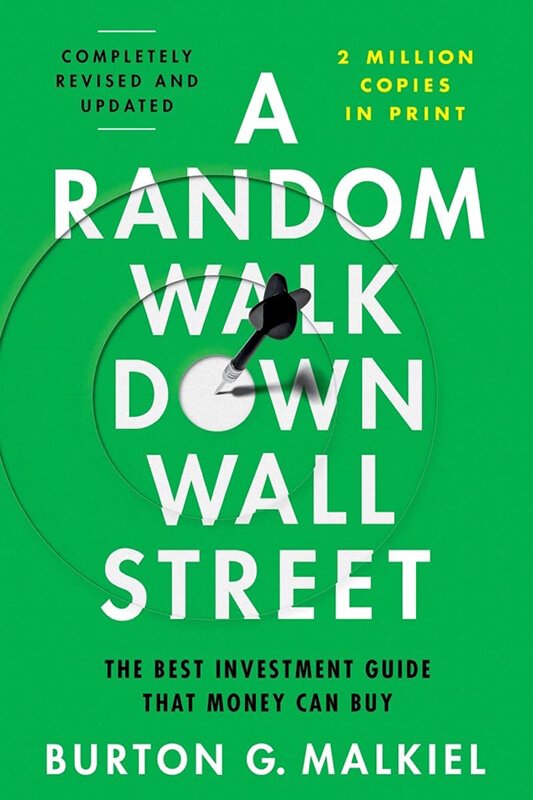
“A Random Walk Down Wall Street” by Burton G. Malkiel
A comprehensive guide to various investment strategies, supporting the efficient market hypothesis.
Rating: 4.5/5
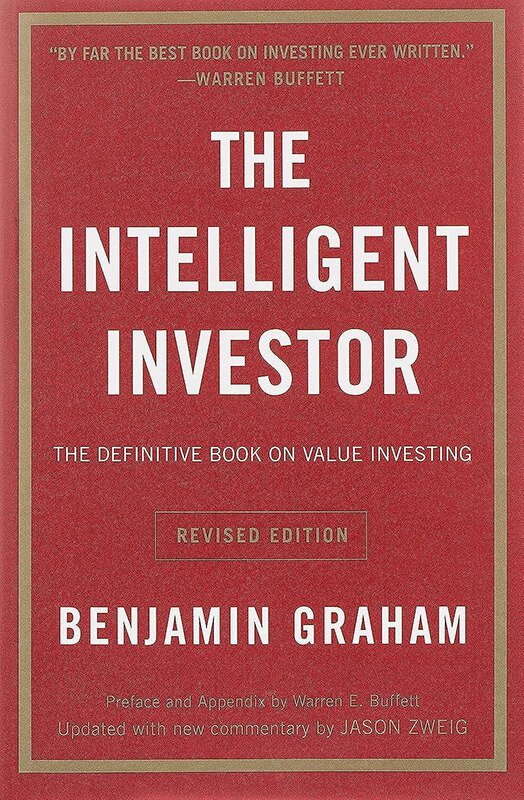
“The Intelligent Investor” by Benjamin Graham
A classic work on value investing, offering timeless principles for making informed investment decisions.
Rating: 4.6/5
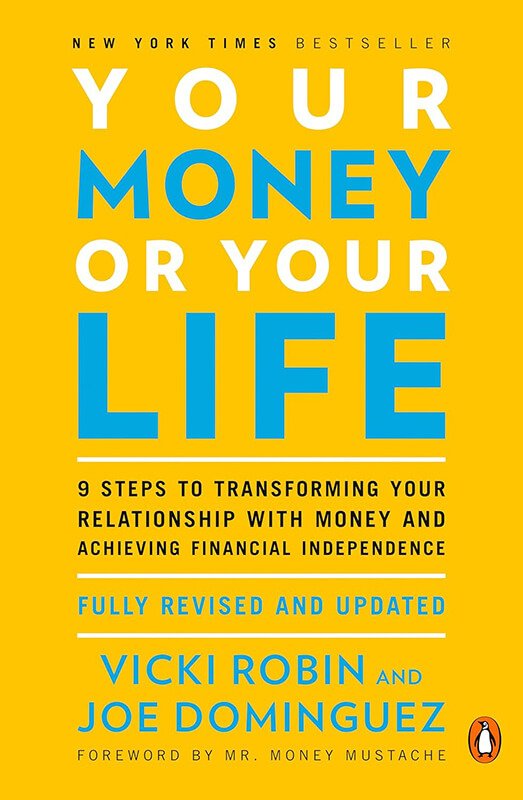
“Your Money or Your Life” by Vicki Robin and Joe Dominguez
A holistic approach to personal finance, focusing on aligning your money with your values and life goals.
Rating: 4.5/5