

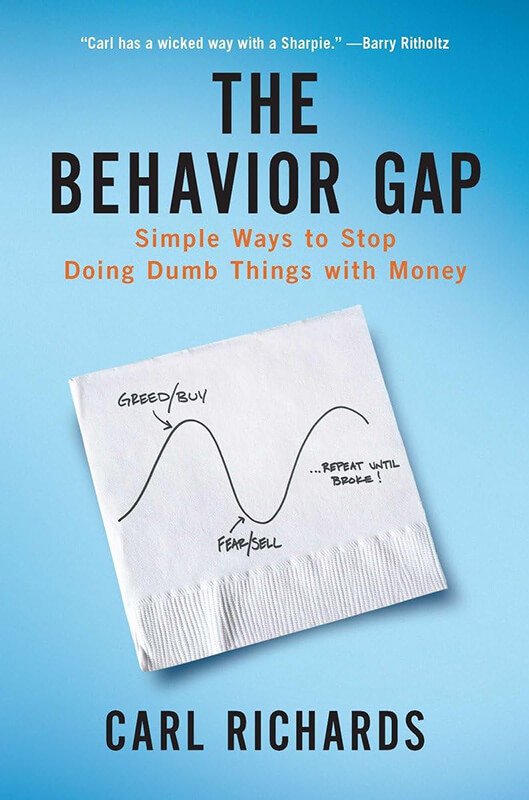
Carl Richards‘ “The Behavior Gap: Simple Ways to Stop Doing Dumb Things with Money,” is an insightful exploration of the psychological factors that influence our financial decisions.
Drawing from his experience as a financial planner and his talent for simplifying complex ideas through sketches, Richards offers a unique perspective on why we often act irrationally with money.
This book shines a light on the gap between what we know we should do financially and what we actually do, providing practical strategies to overcome our behavioral biases and make smarter financial choices.
Core Concepts
“The Behavior Gap” presents several key ideas that form the foundation of Richards’ approach to personal finance:
- The behavior gap: The difference between investment returns and investor returns due to poor decision-making
- Emotional decision-making: How our feelings often override logic in financial matters
- The importance of self-awareness in financial planning
- Simplicity as a powerful tool in managing money
- The value of focusing on what you can control in your financial life
These concepts empower readers to recognize their own behavioral patterns and develop strategies to make more rational, beneficial financial decisions.
Chapter-by-Chapter Review
Chapters 1–3: Understanding the Behavior Gap
Richards introduces the central problem: the difference between the returns investors could earn and the returns they actually achieve because of their behaviour. Fear, greed, overconfidence, and the desire to predict the future can all lead investors to make decisions that work against their long-term interests.
Chapters 4–6: Build a Plan and Accept Uncertainty
A good financial plan provides something to fall back on when markets become unpredictable. Richards argues for clear goals, sensible risk-taking, and accepting that volatility and uncertainty are unavoidable parts of investing.
Chapters 7–9: Avoid the Urge to Act
Many investment mistakes come from doing too much rather than too little. Selling during downturns, chasing recent winners, constantly changing strategies, or trying to predict the market can turn temporary problems into permanent losses. Consistent saving and a diversified portfolio often matter more than clever decisions.
Chapters 10–11: Perspective and Good Advice
Long-term perspective makes short-term market movements easier to put in context. Richards also explains the value of good financial advice—not necessarily in finding better investments, but in helping investors stay disciplined and make decisions that remain aligned with their goals.
Chapters 12–14: Keep It Simple and Stay the Course
The final ideas return to the importance of simplicity, humility, and consistency. The future cannot be predicted with certainty, so the best approach is to build a financial system that can withstand uncertainty and protect you from your own emotional reactions.
Overall Takeaway
The Behavior Gap is ultimately less about finding better investments and more about becoming a better investor. The biggest threat to long-term returns is often not the market itself, but the decisions made in response to it.
Key Strengths
- Accessible and engaging writing style with simple, effective illustrations
- Practical, actionable advice for improving financial decision-making
- Emphasizes self-awareness and emotional intelligence in financial matters
- Offers a fresh perspective on personal finance beyond traditional advice
- Encourages readers to focus on what truly matters in their financial lives
Potential Drawbacks
- Some readers may desire more in-depth technical financial advice
- The simplicity of the approach may feel insufficient for complex financial situations
- Certain concepts may be familiar to those well-versed in behavioral economics
Who This Book Is For
“The Behavior Gap” is an invaluable resource for a wide range of readers, particularly:
- Individual investors looking to improve their decision-making process
- Anyone struggling with emotional reactions to money and investing
- Financial professionals seeking to better understand and serve their clients
- Those interested in the psychology of financial behavior
Final Review
“The Behavior Gap” offers a refreshing and accessible approach to understanding the psychological aspects of personal finance. Carl Richards’ unique blend of simple sketches and insightful commentary makes complex financial concepts approachable and actionable for readers at all levels of financial literacy.
The book’s greatest strength lies in its ability to help readers recognize and overcome their own behavioral biases. By focusing on the emotional and psychological factors that influence financial decisions, Richards provides a framework for more rational and effective money management.
While some readers may crave more technical financial advice, the emphasis on self-awareness and simplicity offers a valuable counterpoint to the often overwhelming world of personal finance. The practical strategies presented can lead to significant improvements in financial decision-making when consistently applied.
Rating: 4.5/5
An enlightening and practical guide that empowers readers to bridge the gap between financial knowledge and behavior, leading to smarter, more confident money decisions.
Alternative Books
If you are looking for other books like “The Behavior Gap”, consider these alternatives:
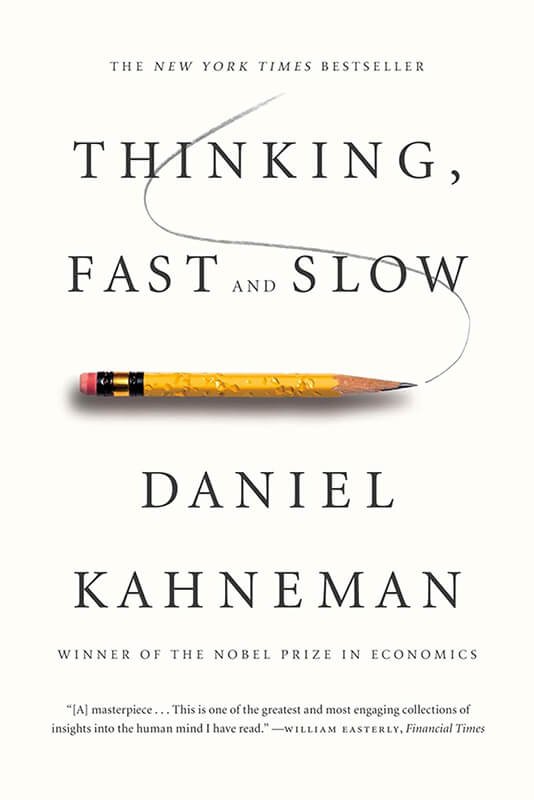
“Thinking, Fast and Slow” by Daniel Kahneman
Explores the cognitive biases that influence our decision-making processes.
Rating: 4.6/5

“Your Money or Your Life” by Vicki Robin and Joe Dominguez
Offers a holistic approach to managing money and aligning financial decisions with personal values.
Rating: 4.5/5
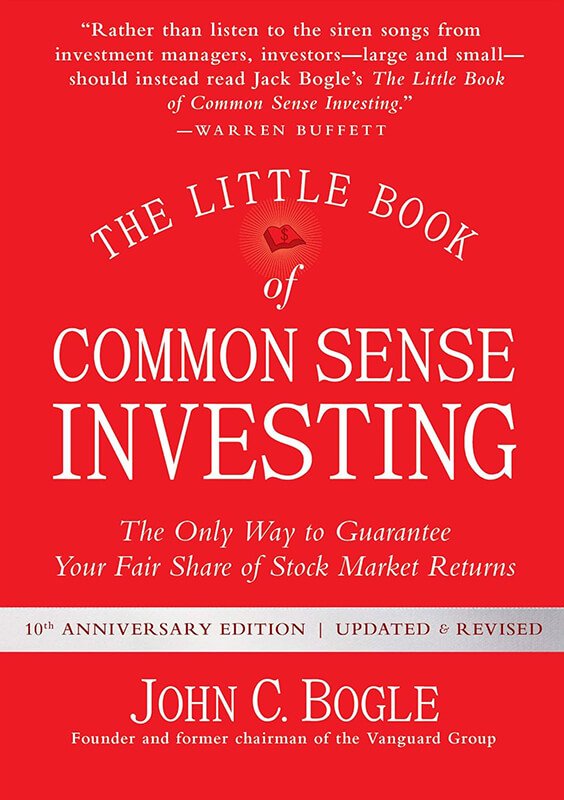
“The Little Book of Common Sense Investing” by John C. Bogle
Provides a straightforward approach to successful investing based on index funds.
Rating: 4.7/5