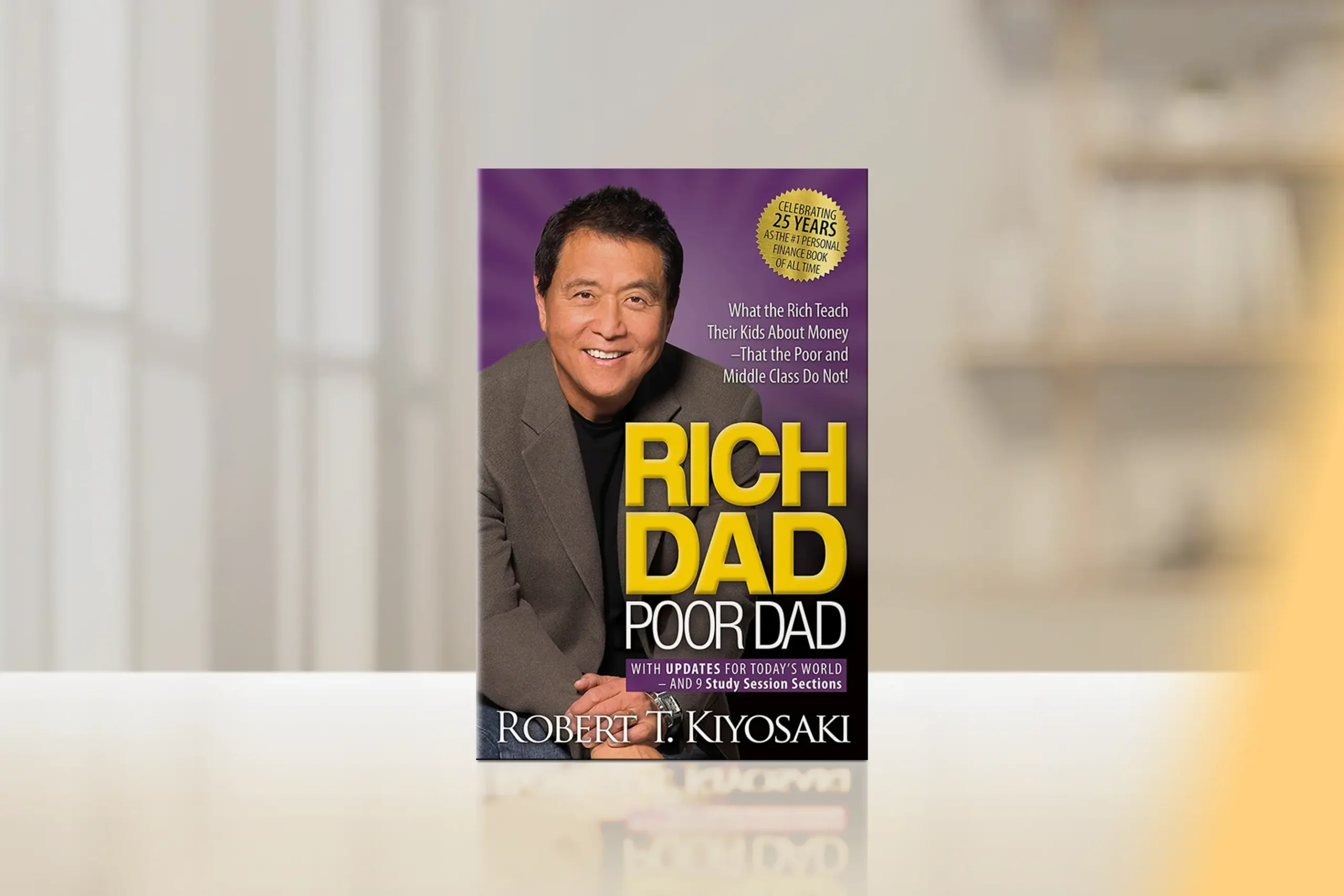
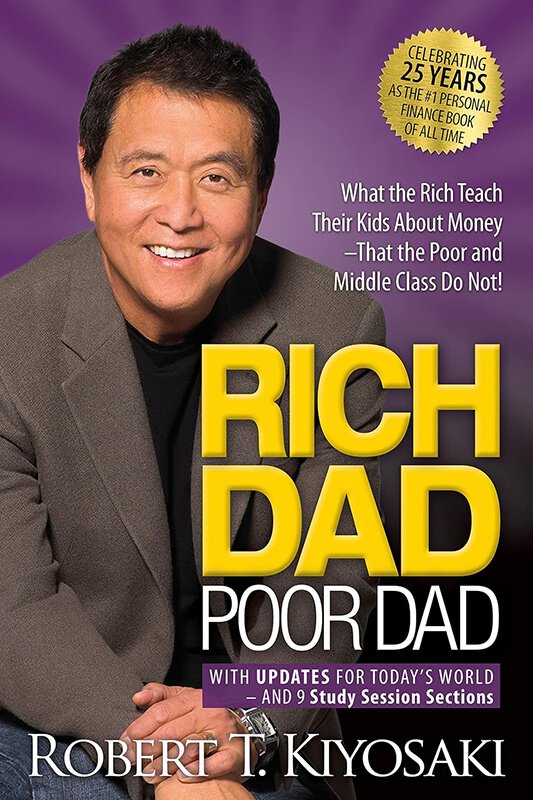
Robert T. Kiyosaki’s “Rich Dad Poor Dad” has become a cornerstone in personal finance literature since its publication in 1997. This thought-provoking book challenges conventional wisdom about money and investing, offering readers a fresh perspective on achieving financial independence.
By contrasting the financial philosophies of his highly educated but fiscally struggling father (Poor Dad) with those of his best friend’s entrepreneurial father (Rich Dad), Kiyosaki presents a compelling narrative that has inspired millions to rethink their approach to money and wealth-building.
Core Concepts
“Rich Dad Poor Dad” revolves around several key principles that form the foundation of Kiyosaki’s financial philosophy:
- The rich don’t work for money; they make money work for them
- Financial literacy is crucial for building wealth
- Understand the difference between assets and liabilities
- Focus on acquiring income-generating assets
- Develop financial intelligence through real-world experience
These concepts aim to shift readers’ mindsets from traditional employee thinking to that of an investor and entrepreneur, empowering them to take control of their financial futures.
Chapter-by-Chapter Review
Chapter 1: The Rich Don’t Work for Money
Kiyosaki introduces his two father figures and the very different attitudes toward money that shaped his thinking. He contrasts working primarily for a salary with learning how money works, using the idea of the “rat race” to show why earning more does not necessarily lead to financial independence.
Chapter 2: Why Teach Financial Literacy?
Kiyosaki argues that financial success depends on understanding how money moves rather than simply earning a high income. He introduces the importance of reading financial statements and distinguishing assets from liabilities as the foundation of financial literacy.
Chapter 3: Mind Your Own Business
Kiyosaki separates a person’s profession from their financial business. While a job provides income, he encourages readers to build an asset column alongside their career by acquiring investments and other assets that can generate income over time.
Chapter 4: The History of Taxes and the Power of Corporations
This chapter examines the historical development of taxation and explains why Kiyosaki believes wealthy people use corporations and financial structures differently from ordinary employees. The broader lesson is to understand the rules governing money and learn how taxes and expenses affect wealth creation.
Chapter 5: The Rich Invent Money
Kiyosaki explores financial intelligence and the ability to recognise opportunities that others may overlook. He argues that financial knowledge, creativity, and confidence can allow investors to find or create opportunities rather than simply waiting for the perfect investment to appear.
Chapter 6: Work to Learn—Don’t Work for Money
Kiyosaki argues that early career choices should be about developing valuable skills as well as earning income. He encourages readers to seek experience in areas such as sales, communication, management, and investing so that their earning potential and financial independence can grow over time.
Chapter 7: Overcoming Obstacles
Kiyosaki examines the emotional and psychological barriers that prevent people from becoming financially successful. He focuses on fear, cynicism, laziness, bad habits, and arrogance, arguing that overcoming these behaviours can be just as important as learning financial techniques.
Chapter 8: Getting Started
This chapter turns the earlier ideas into practical guidance for beginning the journey toward financial independence. Kiyosaki discusses finding opportunities, learning from mistakes, building financial intelligence, and developing the habits needed to take action rather than simply accumulating knowledge.
Chapter 9: Still Want More? Here Are Some To Do’s
Kiyosaki provides a collection of practical suggestions for continuing to develop financial intelligence. He encourages readers to study, find mentors, look for investment opportunities, and keep learning rather than relying entirely on traditional financial advice.
Chapter 10: Final Thoughts
The final chapter brings the book’s main ideas together and reinforces the distinction between working for money and building assets that generate income. Kiyosaki encourages readers to take responsibility for their financial education and use that knowledge to create greater freedom and choice.
Afterword: A Letter from Kiyosaki
The closing material reinforces the book’s broader message about financial education and taking control of your financial future. Kiyosaki encourages readers to continue applying the principles rather than treating financial independence as something that happens automatically with a higher income.
Key Strengths
- Challenges conventional thinking about money and wealth
- Provides a clear, accessible introduction to financial concepts
- Uses storytelling effectively to illustrate complex ideas
- Emphasizes the importance of financial education and self-reliance
- Encourages readers to take action and control of their financial lives
Potential Drawbacks
Potential Drawbacks:
- Some critics argue that certain anecdotes and advice are oversimplified
- The book’s emphasis on real estate and entrepreneurship may not resonate with all readers
- Some financial strategies suggested may be riskier than traditional approaches
Who This Book Is For
“Rich Dad Poor Dad” is an eye-opening read for a wide range of individuals seeking to improve their financial literacy and mindset. It’s particularly valuable for:
- Young adults starting their financial journey
- Employees looking to break free from the traditional career path
- Aspiring entrepreneurs and investors
- Anyone feeling stuck in the “rat race” and seeking financial independence
Final Review
“Rich Dad Poor Dad” is a paradigm-shifting book that has the power to transform your relationship with money. Kiyosaki’s straightforward approach and compelling narrative make complex financial concepts accessible to readers of all backgrounds. By challenging conventional wisdom and providing alternative perspectives on wealth-building, the book empowers you to take control of your financial future.
While some of Kiyosaki’s ideas may seem unconventional or even controversial, they serve as a valuable starting point for developing financial intelligence. The book’s true strength lies in its ability to inspire readers to think differently about money and take proactive steps towards financial freedom.
Rating: 4.5/5
An essential read for anyone looking to break free from traditional financial thinking and embark on a journey towards long-term wealth and financial independence.
Alternative Books
If you found “Rich Dad Poor Dad” insightful, consider exploring these related books that offer complementary perspectives on personal finance and wealth-building:
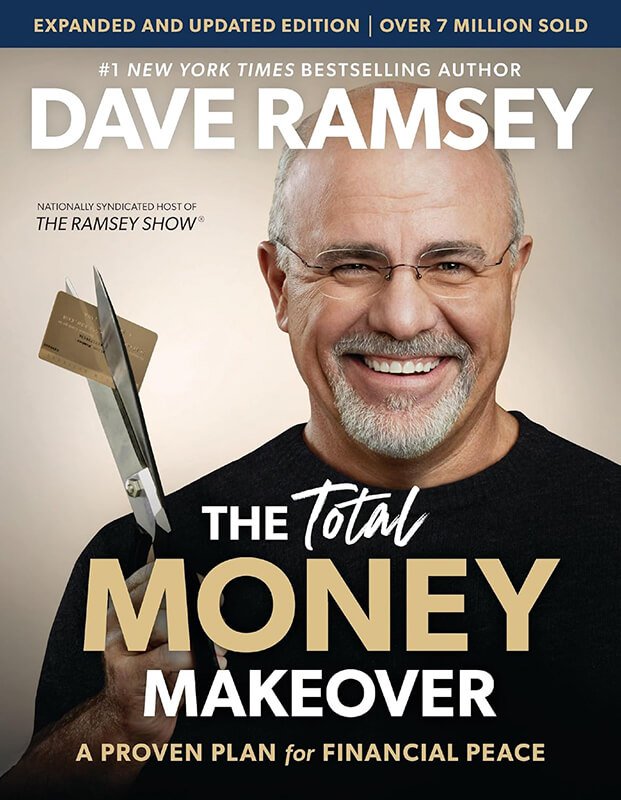
“The Total Money Makeover” by Dave Ramsey
Provides a step-by-step guide to getting out of debt and building wealth.
Rating: 4.7/5
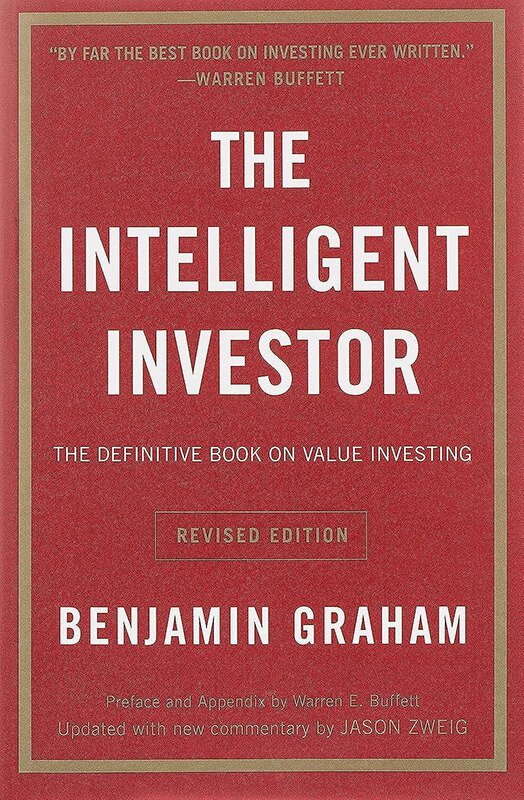
“The Intelligent Investor” by Benjamin Graham
Offers a more traditional approach to value investing and long-term wealth creation.
Rating: 4.6/5
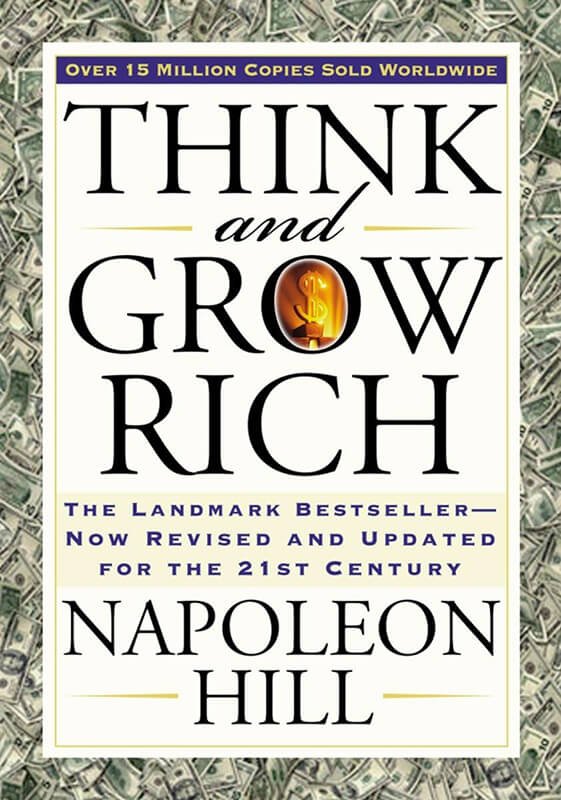
“Think and Grow Rich” by Napoleon Hill
Explores the psychological aspects of wealth creation and success.
Rating: 4.7/5