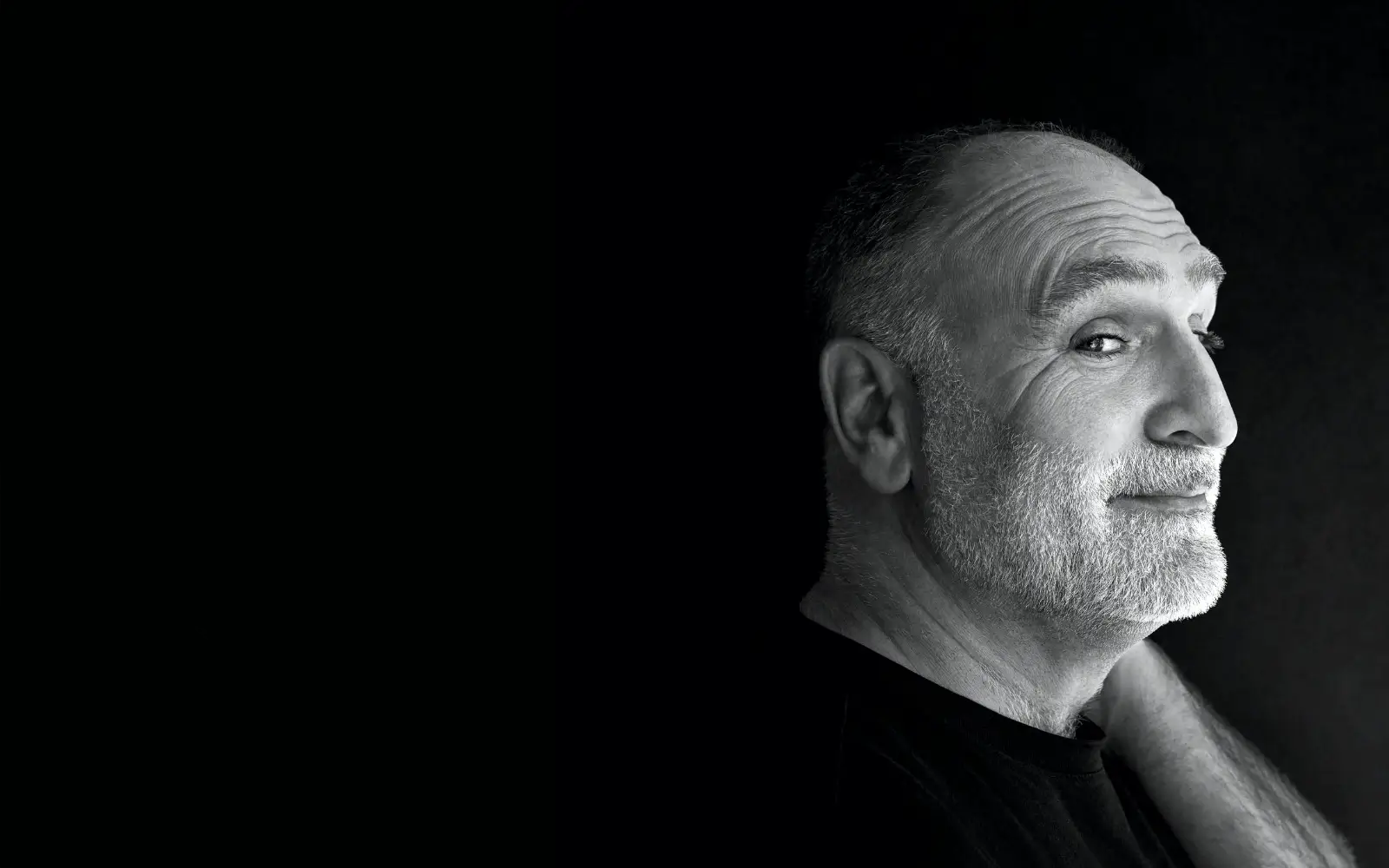
Finding purpose in unexpected places is rarely a matter of following a calling. More often, purpose sneaks in through the side door: a job you didn’t plan to keep, a problem nobody else noticed, a skill you already had, or a setback you couldn’t let go.
Here are nine people who found theirs in places they never expected—a lab nobody would fund, a publicist’s day job, a camp kitchen where they were told they were cooking the beans wrong, or a company they never wanted in the first place.
Inside this article:
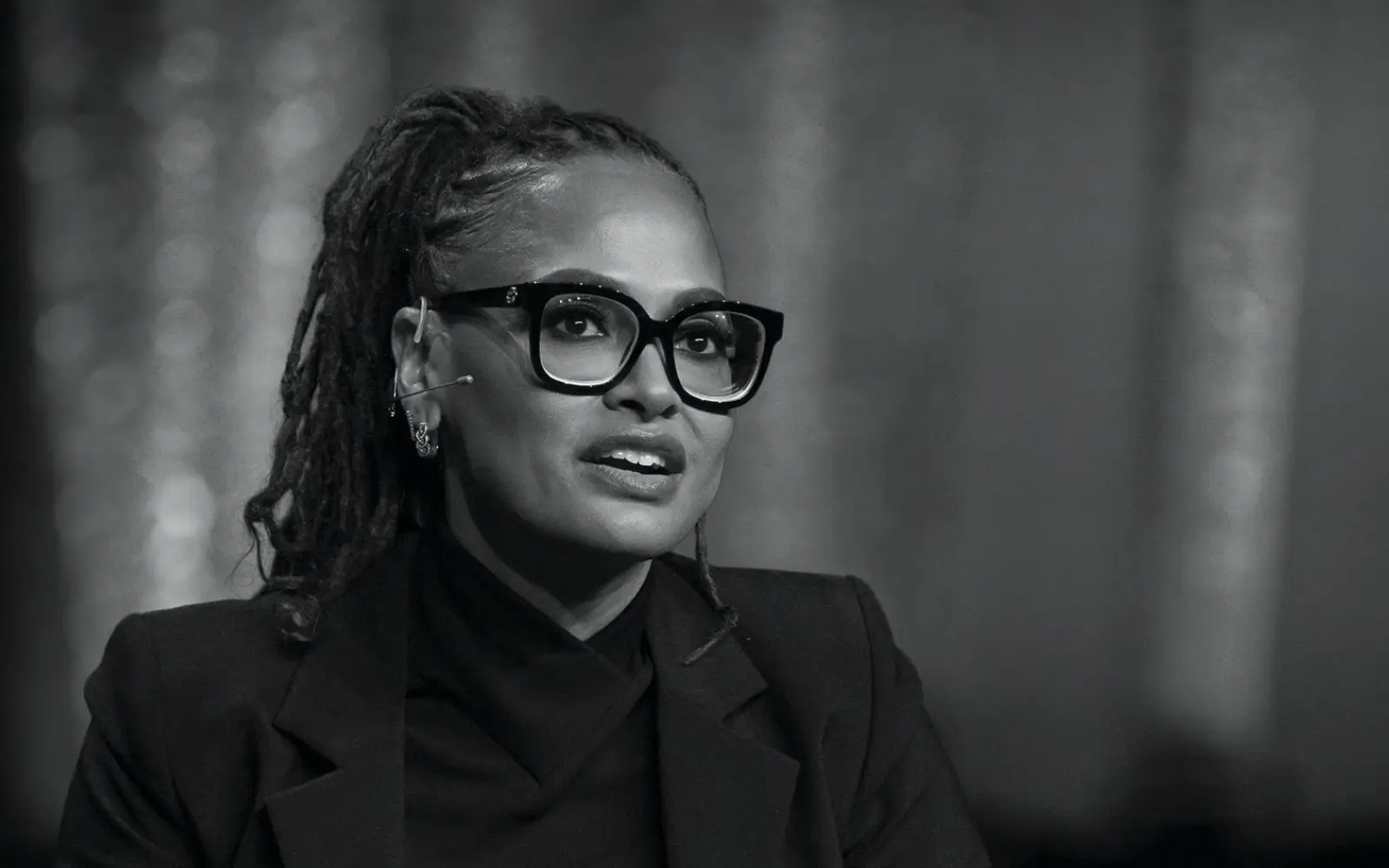
1. Ava DuVernay: The skill she already had
DuVernay spent her twenties in film publicity, running other people’s campaigns, and started her own PR agency in 1999. She was good at it. It was not the job she wanted.
No film school, no script in a drawer. At 32 she picked up a camera anyway, making shorts around the day job. In 2010 she financed, wrote, produced and directed her first feature, I Will Follow, then hit the problem every first-timer hits. Nobody will distribute it.
So she built the distribution herself. What began as a way to release her own film became ARRAY in 2011, which now distributes films by women and filmmakers of color worldwide. She went on to direct Selma, 13th and When They See Us.
The publicity years weren’t wasted time. They taught her exactly how films get sold, which is why she could fix the broken part.
Learn more: 13th (2016), her documentary on the US prison system. ARRAY Releasing lists the full catalogue.
Key Insight: Write down what your current job taught you that people in the field you want are bad at. That gap is your way in, and it beats starting over.
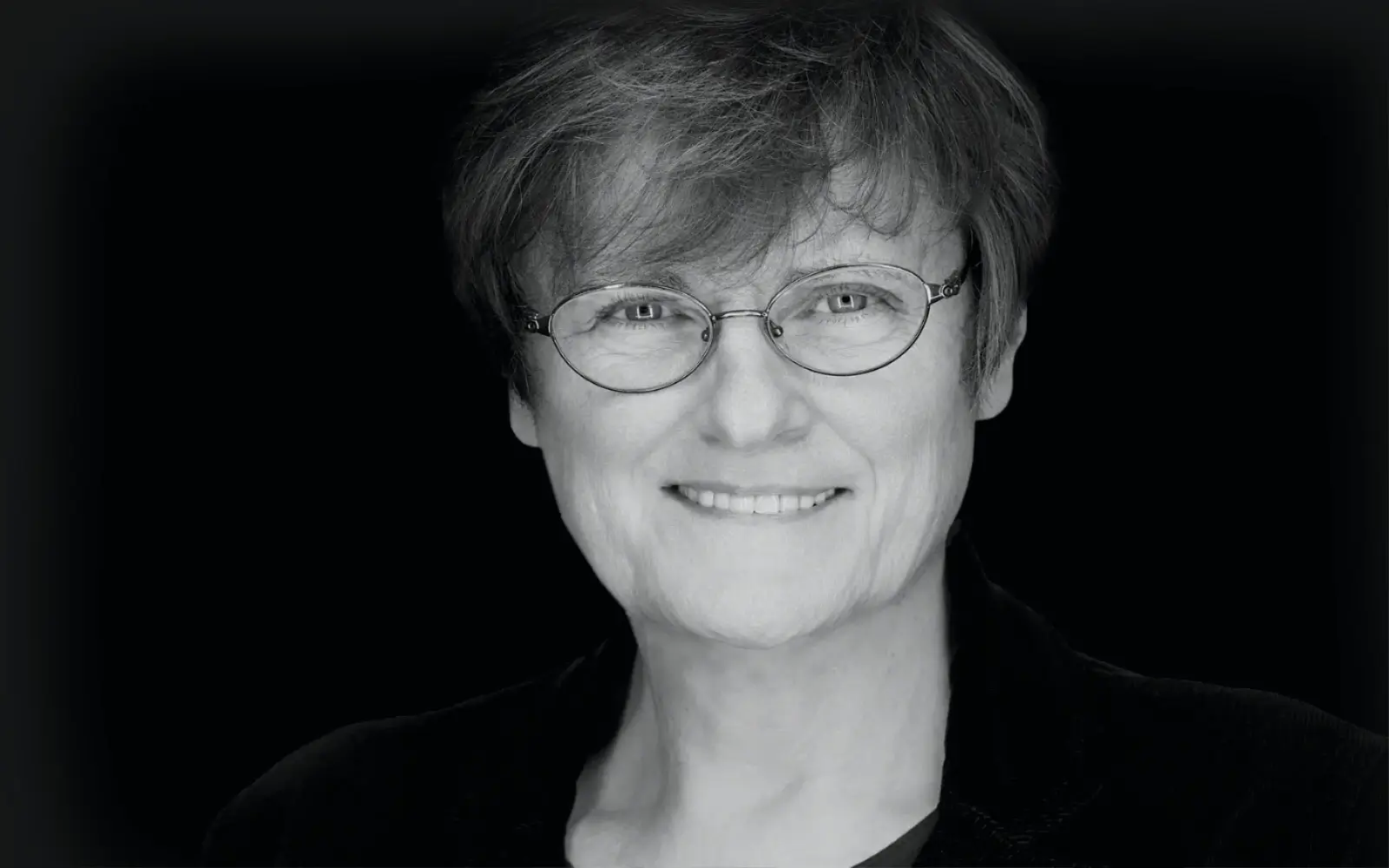
2. Katalin Karikó: When the institution said no
In 1995 the University of Pennsylvania took Karikó off the tenure track and gave her a choice. Leave, or stay on a pay cut. Her work on messenger RNA looked too risky and wasn’t pulling in grant money. She was demoted four times.
The rejections kept coming. Grant after grant turned down. In 2005, when she and Drew Weissman solved the problem that had stalled the field, Nature and Science both refused the paper.
She carried on anyway for roughly thirty years, on a salary that reflected what her employer thought of it. That work is why the Pfizer/BioNTech and Moderna vaccines exist. In 2023, at 68, she and Weissman were awarded the Nobel Prize in Physiology or Medicine.
One caveat, because this story is the easiest to misread. Plenty of people persist for thirty years on a dead end, and you only hear about the ones who were right. What separates them isn’t self-belief. It’s whether the work keeps producing results nobody has rewarded yet. Her own account of it is unheroic: “You have to focus on what’s next.”
Learn more: Katalin Karikó’s story in her book, Breaking Through: My Life in Science (2023), exploring her journey through the years when nothing worked. Listen to her at the Nobel Prize Conversation podcast.
Key Insight: Take one thing you dropped on someone else’s assessment and check what evidence they had. If it was “not fundable,” that is a verdict about budgets, not the work.
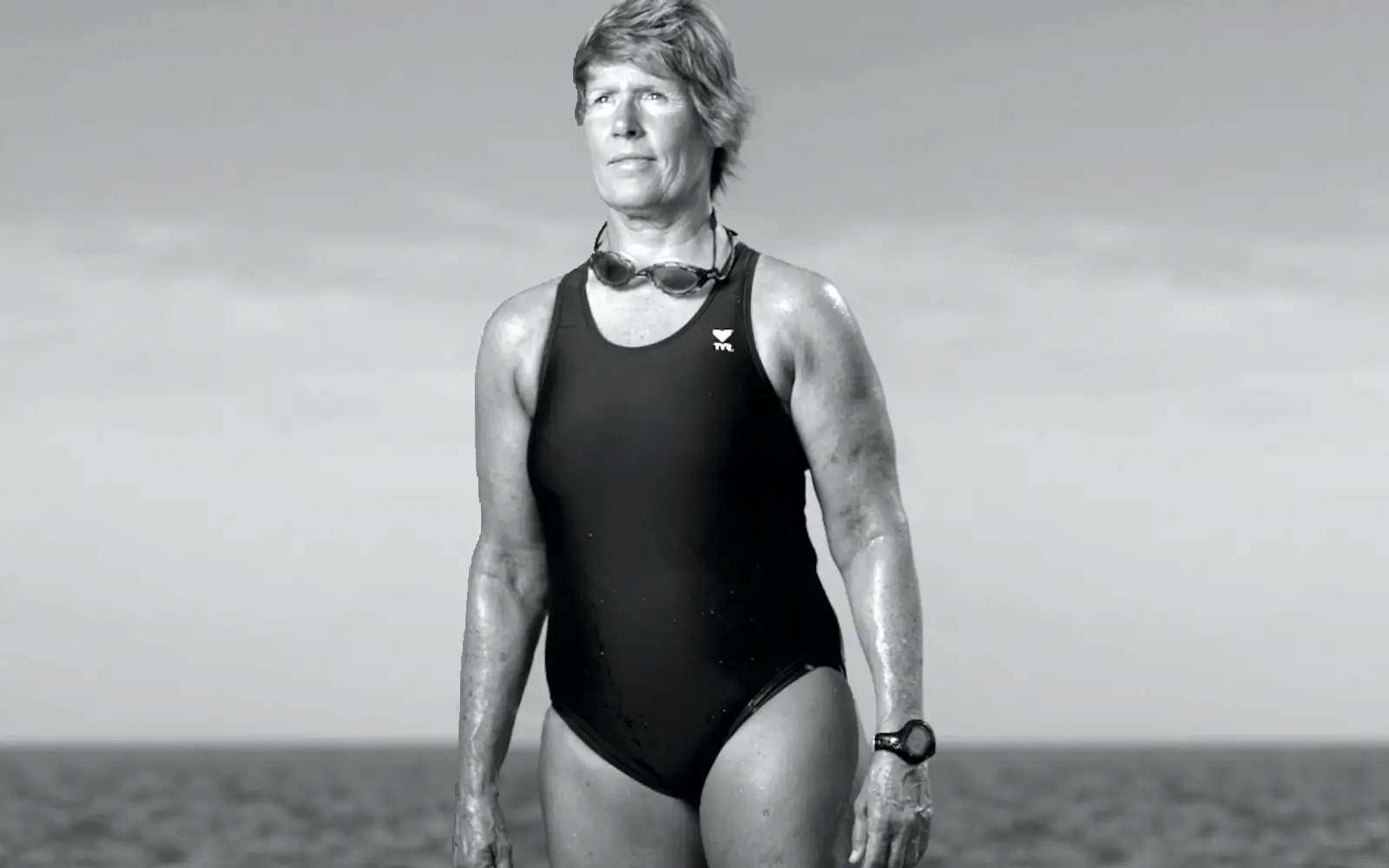
3. Diana Nyad: The thing she came back to
Nyad first tried to swim from Cuba to Florida in 1978, at 28. She failed, then stopped swimming for three decades and built a career as a broadcaster instead.
At 60 she got back in. She failed twice in 2011 and again in 2012. Jellyfish, storms, hypothermia.
On 2 September 2013, at 64 and on her fifth attempt, she came ashore at Key West after 52 hours and more than 110 miles.
The record is contested, and it is worth saying so. She wore a stinger suit and was touched by crew, so it fails unassisted rules and has never been ratified. A 2022 Marathon Swimmers Federation review found no evidence of cheating and put it in the assisted category. WOWSA still declines, citing a nine-hour gap in the logs. Guinness no longer lists it.
None of that touches the part that matters. She gave it up at 28 and finished at 64. The thirty years in between did not close the door.
Learn more: Her memoir Find a Way (2015) and the film Nyad (2023), honest about the failed attempts.
Key Insight: Name the thing you stopped doing that you still think about. Find the smallest version you could attempt this month, and put a date on it.
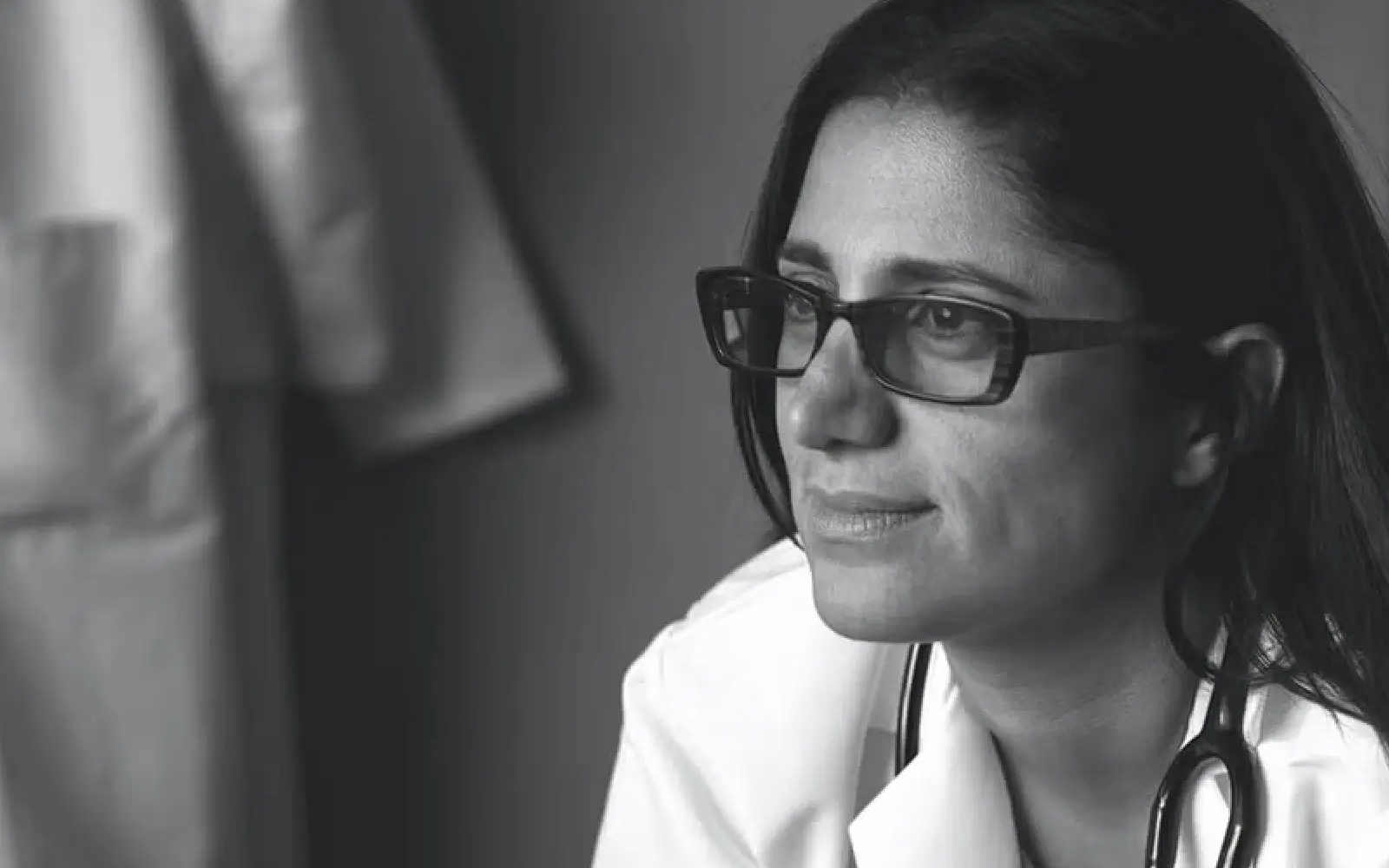
4. Mona Hanna-Attisha: The data sitting in plain sight
She was a pediatrician in Flint, Michigan, running the residency program at Hurley Medical Center. The state was insisting the water was fine.
Rather than argue, she pulled the blood-lead results for her own patients and ran the numbers herself.
In September 2015 she went public. The share of Flint children with elevated blood-lead levels had roughly doubled citywide since the water source changed, and tripled in the worst-hit neighborhoods.
The response was not gratitude. A state official called her research “unfortunate” and said she was causing “near-hysteria,” insisting the water met federal standards.
She held the line. By October the state reversed itself and acknowledged the contamination.
The move worth copying is unglamorous. She got the evidence first, from data already sitting in front of her.
Learn more: Her book What the Eyes Don’t See (2018). The study is in the American Journal of Public Health.
Key Insight: Find the thing at work you have been told is fine but does not look fine. Pull the numbers this week, before you say a word to anyone.
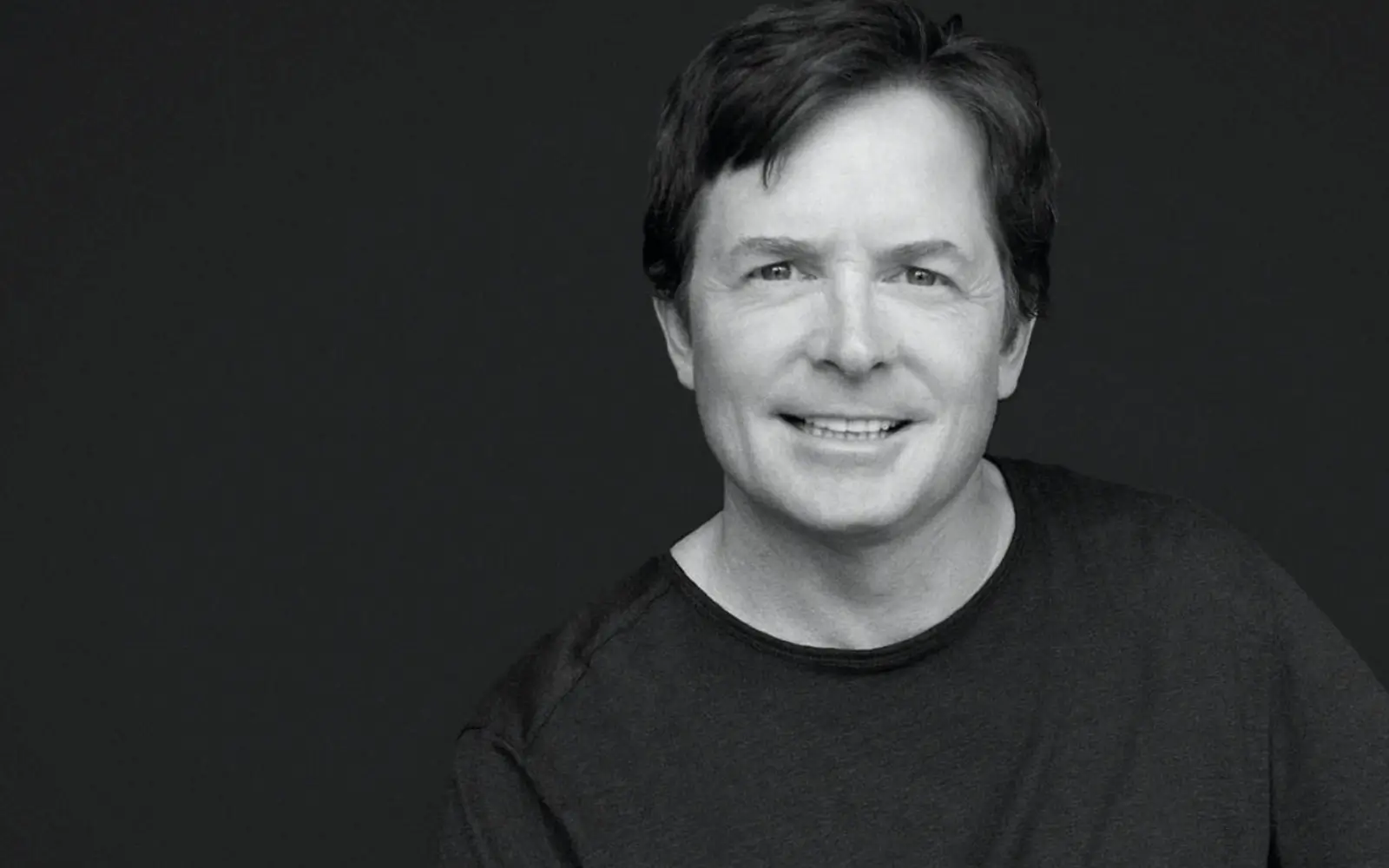
5. Michael J. Fox: The problem he already lived with
Diagnosed with Parkinson’s in 1991, at 29, he told almost no one until 1998.
Purpose arrived later, when he looked at how Parkinson’s research was funded and found it slow, scattered and cautious.
So in 2000 he built what was missing: The Michael J. Fox Foundation, set up with Deborah W. Brooks to move money fast and fund the work nobody else would touch. Biomarkers. Shared data. Tools other scientists could use.
It is now the largest nonprofit funder of Parkinson’s research, at more than $2 billion, more than the US government spends on the disease. Research it paid for found a spinal fluid marker that detects Parkinson’s years before symptoms show.
Fox has said plainly he would take the cure over the meaning. Both are true at once.
Learn more: Read his memoirs, Lucky Man (2002) and No Time Like the Future (2020). The documentary STILL: A Michael J. Fox Movie (2023) won four Emmys and is honest about the bad days.
Key Insight: Take a problem you already live inside and ask what’s missing from how everyone handles it. Your access is the asset, not your enthusiasm.
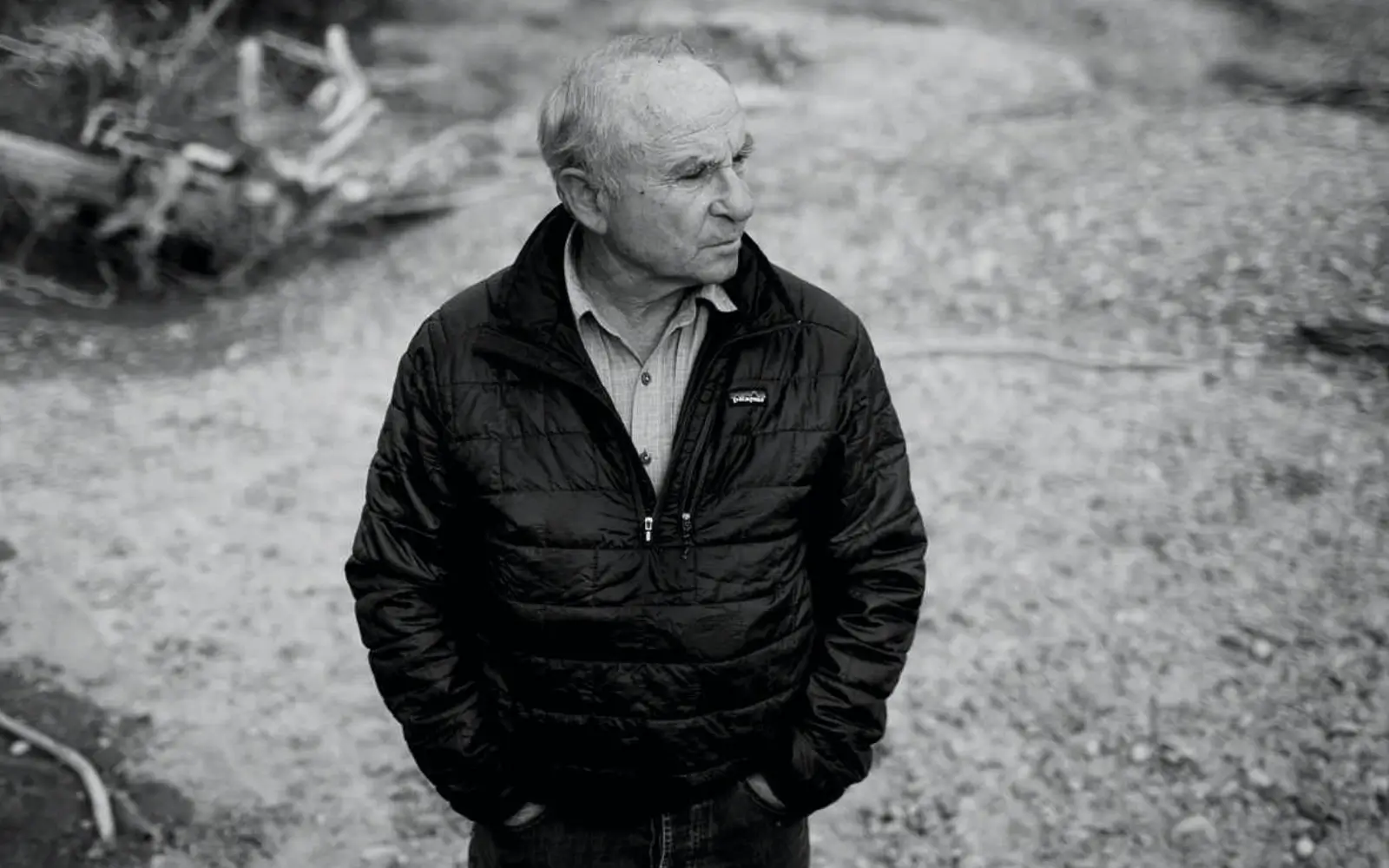
6. Yvon Chouinard: What the company was actually for
Chouinard never wanted to be a businessman. He was a climber who made pitons by hand and sold them from the back of his car. The company happened to him.
By 2022 Patagonia was worth around $3 billion and he resented being on billionaire lists. Selling or going public were the obvious moves. He judged both would end the thing that made it worth having.
So in September 2022 he and his family gave it away. Two percent, the voting stock, went to a purpose trust holding its values. The other ninety-eight percent went to the Holdfast Collective, a nonprofit, so every dollar of profit not reinvested now fights the climate crisis. Roughly $100 million a year.
His line for it was four words. “Earth is now our only shareholder.”
He is 87 and still working, and says he is working harder than someone his age should have to, because the planet is in bad shape.
Learn more: Patagonia’s own account of the ownership change is short and worth reading. Let My People Go Surfing covers the forty years before it.
Key Insight: Look at what you have built, a career, a business, a skill, and ask what it is for. If the honest answer is nothing beyond itself, that is the decision waiting for you.
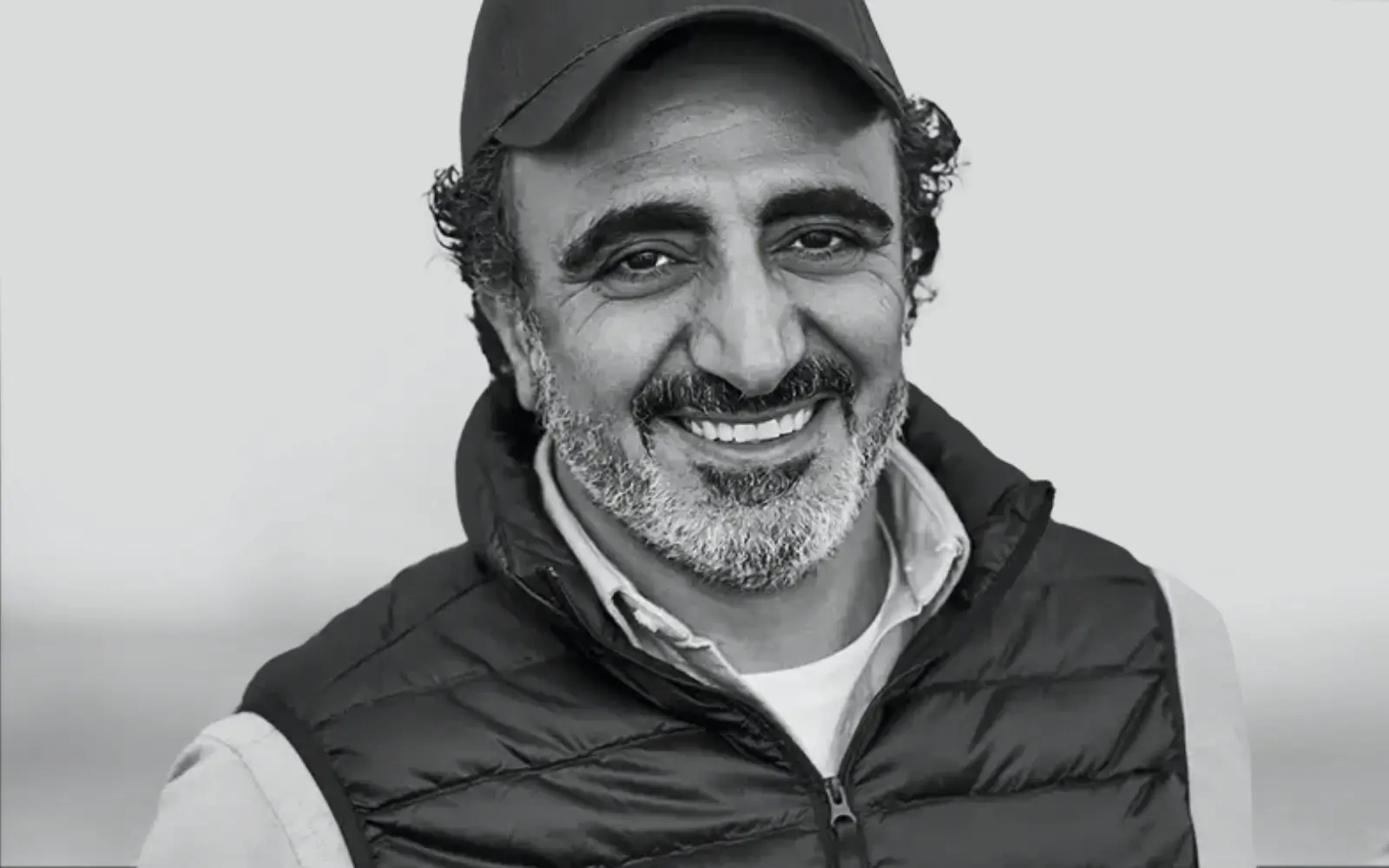
7. Hamdi Ulukaya: Who the company was for
In 2005 Ulukaya took out a loan and bought a yogurt factory in New Berlin, New York, that Kraft had closed and wanted rid of. He was a Kurdish immigrant with no brand experience.
When demand outgrew his hiring he turned to refugees resettled nearby in Utica, laying on transport and putting translators on the floor, because otherwise the jobs were theoretical. Five people, then ten, then hundreds.
Then in 2016 he gave employees a tenth of the company in shares, turning some of the longest-serving staff into millionaires.
He did not sell up or hand it to a foundation. He kept running it and changed who it was for, which is the version most people could actually attempt.
Learn more: Chobani publishes its impact commitments. His 2019 TED talk on the anti-CEO playbook is the clearest statement of the reasoning.
Key Insight: If you run anything, a team, a shop, a department, pick one decision this quarter that widens who benefits. Hiring, pay, access. One decision, not a policy.

8. Dolly Parton: The problem she inherited from her father
Robert Lee Parton went to work young and never went to school. He could not read or write, and his daughter has said it embarrassed him.
In 1995 she started mailing free books to children in her home county in Tennessee. One a month, from birth until the child turns five. No test, no means assessment, no application beyond signing up.
She did not leave music to do it. She kept recording, kept touring, and used the money and the name to make it run.
The Imagination Library has since mailed more than 230 million books, and about one in seven American children under five receives one every month.
Her father died in 2000, having seen it work. What it meant to him: “My daddy just loved it when all the little kids would call me ‘The Book Lady.’ That meant more to him than the fact that I had become a star.”
Learn more: The Imagination Library site shows which counties are covered and how to register or fund one.
Key Insight: Name the thing that shaped you that you have never acted on. Then work out what you have, money, contacts, a skill, an hour, that could point straight at it.
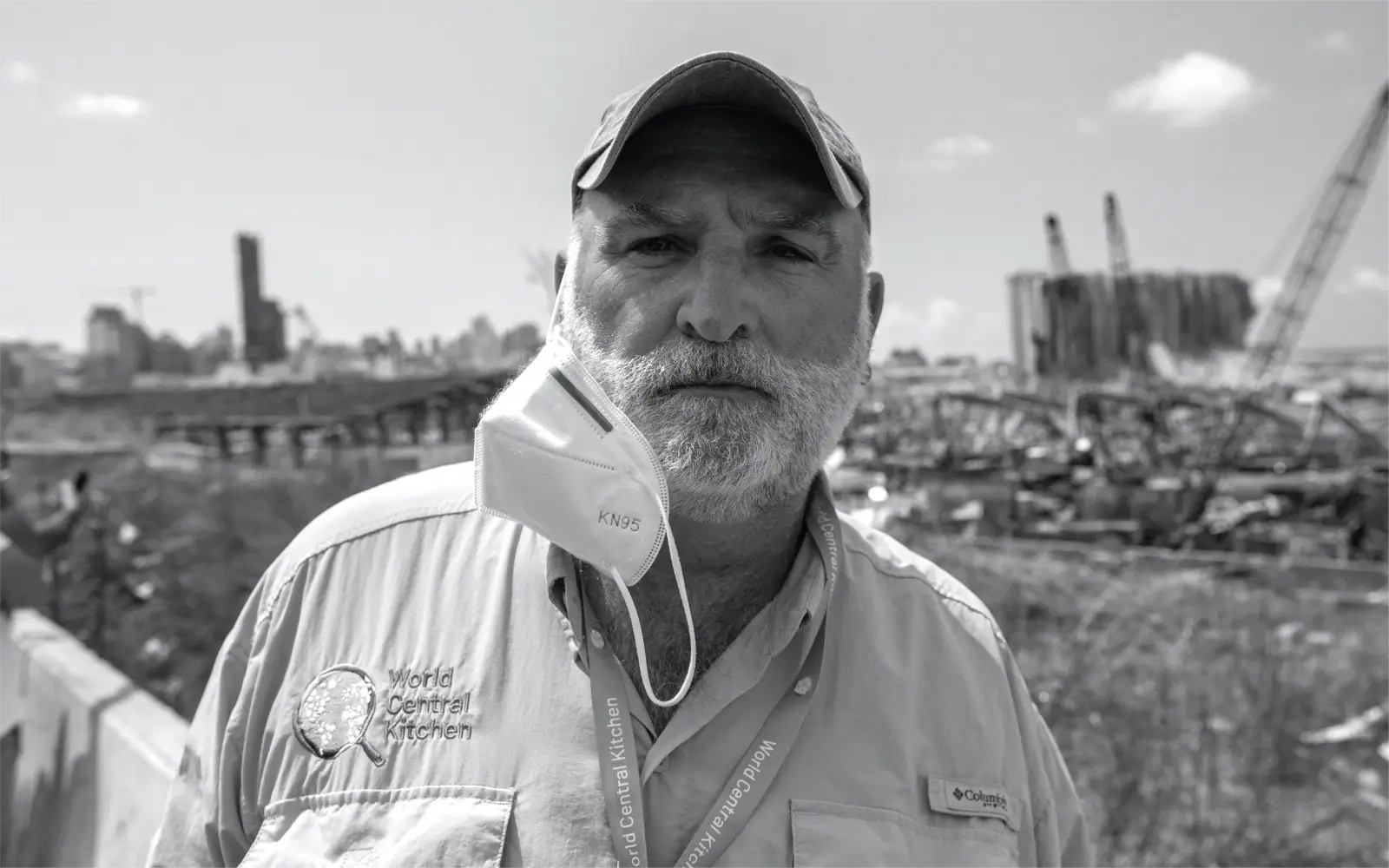
9. José Andrés: What a chef could do elsewhere
In a Haitian displacement camp in 2010, a group of women stopped a professional chef and told him he was making the black beans wrong. Haitians eat them mashed and sieved into a sauce. He changed how he cooked them.
That correction became the operating principle. Feed people what they actually want, which means asking them first.
He had gone to Haiti with restaurants still to run and no plan beyond seeing what one skill could do. He founded World Central Kitchen with his wife Patricia, seeded with a $50,000 prize for his contribution as an immigrant. It has since cooked after earthquakes, hurricanes and wars.
He never stopped being a chef. He aimed what he was good at somewhere else, which makes this the easiest model here to copy without blowing up your career.
Learn more: The documentary We Feed People (Ron Howard, 2022). His book Change the Recipe. At World Central Kitchen, publishes where it is working now.
Key Insight: Write down what you’re good at, then name one place that skill is scarce. The change you need is usually in the target, not the career.
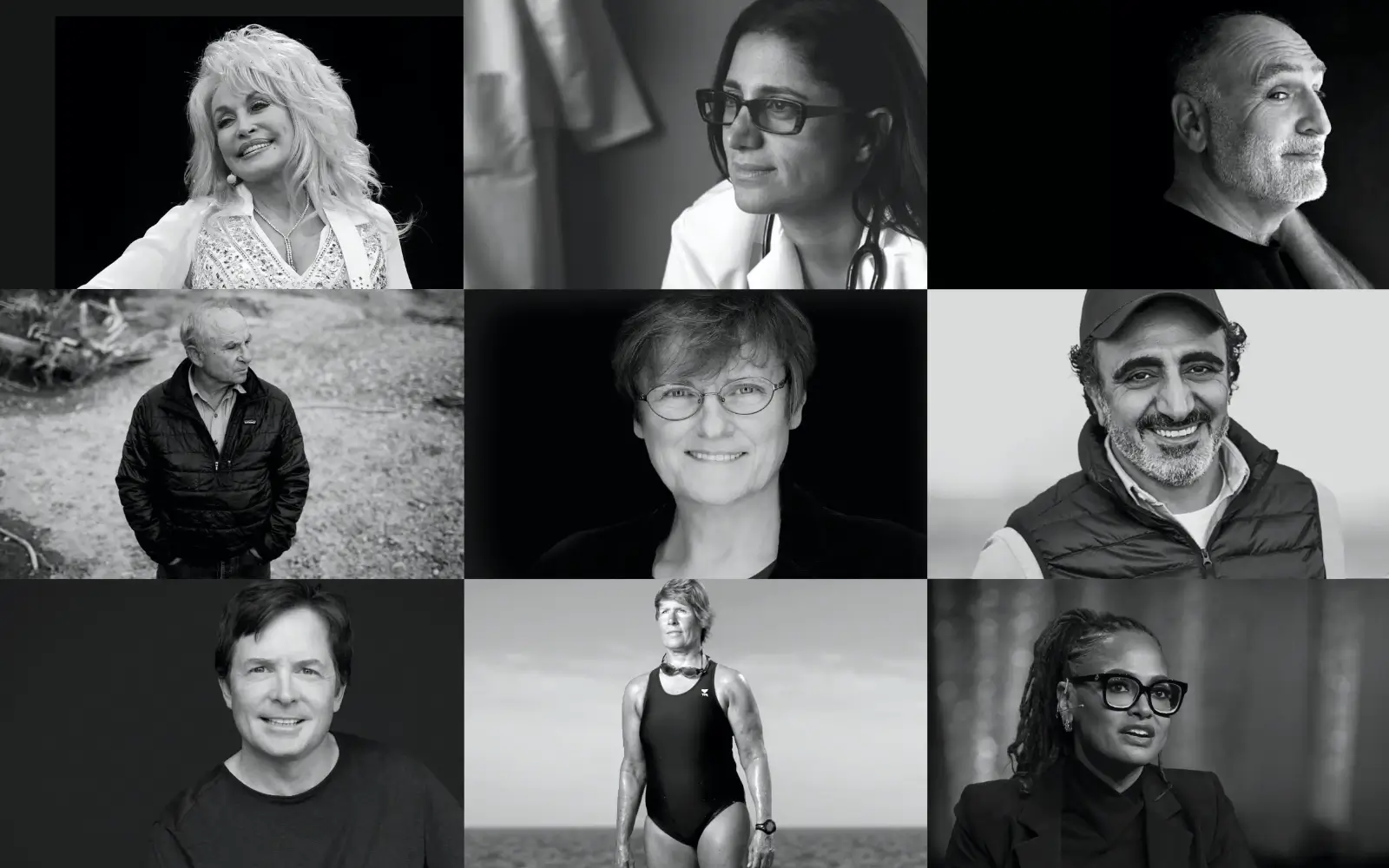
What the nine have in common
None of them started with a clear sense of purpose. They started with something close at hand.
Karikó ran the next experiment. DuVernay picked up a camera. Fox saw a problem in Parkinson’s research. Parton mailed books. Andrés took his cooking into places where food was needed.
They also didn’t throw away what they had already built. DuVernay used what she learned in publicity. Andrés stayed a chef. Parton stayed a musician. Fox used his platform. Their previous lives became the raw material for what came next.
And it was rarely fast. Karikó spent decades on work that went largely unrewarded. DuVernay spent years in publicity before making films. Chouinard spent nearly fifty years building Patagonia before deciding what it was ultimately for.
The lesson isn’t that persistence always pays off. It’s that purpose often becomes clearer through action. You notice something that needs doing, use what you already have, learn from the result, and take the next step.
Key Insight: Purpose is less something you discover than something you build. Start with the problem you’re already close to.
Start with the problem closest to you
Not the most important problem in the world—the one closest to your actual life. The one you already know something about because you’re standing right next to it.
Your one action this week: Pick that problem and take one small, concrete step.
- Spend one hour working on it.
- Talk to one person who can help.
- Send one email.
- Put one useful book in the mail.
Don’t just read about it. Don’t make another plan. Do something.
Then do it again next week.
Common Questions
How do you find your purpose if nothing feels like a calling?
You act first and find out afterward. Every person above committed to something concrete before they had any clarity about it, and waiting for certainty is the most common way people spend a decade not starting. For a structured version, read Discovering Your Life’s Purpose: A Step-by-Step Guide, then turn it into a routine with How to Design a Purposeful Week That Reflects Your Values.
Is it too late to find your purpose at 40 or 50?
No. DuVernay picked up a camera at 32 after a decade in publicity. Karikó won a Nobel at 68. Chouinard was in his eighties when he decided what his company was for. If you want more of these, read Stories of People Who Found Their Purpose Later in Life and Cultivating Purpose in Different Life Stages.
Is purpose the same thing as passion?
No, and confusing the two is why a lot of people stall. Passion is what you enjoy. Purpose is what your effort is for. We set out the difference in Purpose vs Passion: What’s the Difference and Why it Matters, and if it is the passion half you are missing, start with How to Find Your Passion in 5 Simple Steps.
How do I know whether I am already living with purpose?
Most people are doing more of this right than they think. Check yourself against 5 Signs You’re Living with Purpose (And 5 Signs You’re Not), and if you want to go deeper, Who Am I? 15 Self-Discovery Prompts to Find Your Purpose gives you the questions to sit with.
Do you need a big cause for it to count?
No. Several of them started with one camera, one book in the mail, one pot of beans and five new hires. Scale was an outcome, never the starting condition. Purpose in Everyday Life: Small Ways to Make an Impact is the small-scale version, and How to Find Your Core Values in 30 Minutes will tell you which direction to point it.
What if I want to change but cannot afford to quit my job?
Then you are in the same position as most of the people above. Seven of the nine kept the work they already had. Andrés kept his restaurants, Parton kept recording, Fox kept acting, Hanna-Attisha kept seeing patients. Read How to Align Your Purpose with Your Career and Relationships, and if a change is already happening to you rather than being chosen, Navigating Life Transitions: How to Reassess Your Purpose During Major Changes.
Related articles
Purposeful Living
Everything we’ve published on meaning, values and direction, in one place.
How to Discover and Live Your Purpose
The step-by-step version, for readers who want a process rather than examples.
Cultivating Purpose in Different Life Stages
What changes about this question at 30, at 45 and at 60.
How to Align Your Purpose with Your Career and Relationships
What to do when the purpose and the paid work aren’t the same thing.
Navigating Life Transitions: How to Reassess Your Purpose During Major Changes
For readers in the middle of a change rather than choosing one.
Further reading
Let My People Go Surfing, Yvon Chouinard
How Patagonia was run for forty years before he gave it away.
The Power of Purpose, Richard J. Leider
Our review of the book that turned this question into a practice.
Breaking Through: My Life in Science, Katalin Karikó
The best of these on staying with work nobody is paying you to do.
What the Eyes Don’t See, Mona Hanna-Attisha
How she built the case before she made the accusation.
Find a Way, Diana Nyad
On carrying an unfinished thing for thirty years.
We Feed People (Ron Howard, 2022)
If you’d rather watch than read, start here.