
The human brain is the most powerful organ in your body, controlling everything from memory and focus to emotional regulation and decision-making. Maintaining brain health is more important than ever. Everyday habits, from diet and exercise to stress management and sleep, directly impact cognitive function and memory. Neuroscience research shows that you can actively boost brain function, prevent cognitive decline, and enhance mental clarity at any age.
Inside this article:

Why Brain Health Matters
The human brain, though only about 2% of body weight, consumes roughly 20% of the body’s energy and governs everything from memory and focus to emotions and decision-making. Modern life—with digital distractions, constant multitasking, chronic stress, and poor sleep—places measurable strain on cognitive function. Studies show that heavy multitaskers perform worse on attention and memory tasks, and chronic sleep loss increases the risk of cognitive decline and neurodegenerative disease later in life.
The good news? Neuroscience shows that the brain is remarkably adaptable. Through neuroplasticity, it can reorganize itself in response to learning and experience well into adulthood. By building intentional daily habits—such as exercise, quality sleep, mindful focus, and a nutrient-rich diet—you can boost brain function, strengthen memory, and sharpen mental clarity, regardless of age.
The Benefits of Strong Brain Health:
- Sharper Thinking & Focus: Supports memory, attention, and problem-solving in work and daily life.
- Prevent Cognitive Decline: Healthy habits now can protect your brain decades later.
- Emotional Resilience: Strong brain function helps manage stress, mood, and emotional balance.
- Long-Term Quality of Life: Maintains independence, creativity, and meaningful relationships.
What You’ll Gain by Prioritizing Brain Health:
- Simple, actionable ways to boost your brain function every day
- Easy habits for better memory, focus, and mental clarity
- Tips to improve sleep, nutrition, exercise, and stress management
- Practical steps to make brain health a lifelong habit
By using these strategies, you’ll strengthen your brain, sharpen your thinking, and support emotional balance—helping you thrive in daily life.

1. Move Your Body Daily
Let’s start with something you’ve heard a thousand times: exercise is good for you. But here’s what makes it fascinating—physical activity doesn’t just make you stronger, it literally grows your brain.
When you move, your body releases a protein called BDNF (think of it as fertilizer for your brain cells). This protein helps create new neural connections and strengthens the ones you already have. Translation? Better memory, sharper thinking, and improved learning ability.
Why it’s important: Regular exercise increases the size of your hippocampus—your brain’s memory center—and boosts BDNF levels that support neuroplasticity. Even short bursts of activity throughout your day make a measurable difference. You don’t need to run marathons; consistency matters more than intensity. For more on building sustainable exercise habits, check out our guide to physical wellbeing.
Try this: Start with 10-minute movement breaks every 2 hours—walk, stretch, or climb stairs to keep your brain sharp.
2. Prioritize Quality Sleep
Can we talk about sleep for a minute? Not the “get 8 hours” advice everyone repeats, but what’s actually happening while you’re unconscious.
Your brain has a cleaning system (called the glymphatic system) that kicks into high gear during deep sleep. It flushes out toxic proteins—including the ones linked to Alzheimer’s disease. Meanwhile, during REM sleep, your brain’s busy consolidating memories and processing emotions.
Skip sleep, and you’re basically letting the trash pile up in your head.
Why it’s important: Glymphatic clearance during sleep removes neurotoxins like beta-amyloid, protecting against cognitive decline. Quality sleep isn’t a luxury—it’s your brain’s maintenance schedule. Chronic sleep loss increases your risk of memory problems and neurodegenerative diseases later in life. Matthew Walker’s “Why We Sleep” offers a comprehensive deep-dive into the science behind these mechanisms.
Try this: Keep your bedroom between 60-67°F and ditch screens one hour before bed for better sleep quality. For more strategies, explore our 36 sleep hacking techniques.
3. Eat Brain-Boosting Foods
Your brain’s basically an energy hog—it uses about 20% of your body’s total fuel. That means what you eat directly affects how well you think, remember, and focus.
Think of brain-healthy eating less like a restrictive diet and more like strategic fuel choices. Fatty fish, berries, leafy greens, nuts, and olive oil aren’t just “healthy”—they’re packed with specific nutrients your brain cells need to function and protect themselves from damage.
You don’t need a perfect diet. Even adding one brain-healthy food daily makes a difference over time.
Why it’s important: Mediterranean and MIND diets significantly support cognitive function and reduce decline risk. Omega-3s support neuron structure, polyphenols improve blood flow, and B vitamins fuel neurotransmitter production. These aren’t vague “superfoods”—they’re nutrients with specific, measurable brain benefits. Learn more about how nutrition affects mental health.
Try this: Add a handful of berries or walnuts to your morning routine—both are research-backed brain boosters.
4. Train Your Focus
Ever notice how often you check your phone without even realizing it? That constant task-switching isn’t just annoying—it’s rewiring your brain to crave distraction.
Here’s the problem: multitasking can reduce memory retention by up to 40%. Every time you switch between tasks, your brain needs time to refocus. It’s like constantly restarting your computer instead of letting it run a program fully.
The solution? Practice doing one thing at a time. Sounds simple, feels impossible at first, but your brain adapts quickly. Cal Newport’s “Deep Work” offers practical strategies for building focused attention in our distraction-heavy world.
Why it’s important: Focused attention strengthens prefrontal cortex pathways—the part of your brain responsible for decision-making and self-control. Even brief mindfulness training can improve working memory and reduce mental wandering. You’re not just getting more done; you’re building a more resilient brain. Our guide on digital minimalism can help you create boundaries.
Try this: Set a timer for 25 minutes, focus on one task, then take a 5-minute break—repeat and watch your focus improve.
5. Strengthen Gut–Brain Health
This one sounds weird until you hear the science: your gut and brain are in constant communication through what’s called the vagus nerve. It’s like a superhighway of information flowing both ways.
Your gut bacteria produce about 90% of your body’s serotonin—yes, the mood-regulating neurotransmitter. A healthy gut doesn’t just mean better digestion; it means better mental clarity, mood stability, and cognitive function.
Why it’s important: The microbiota-gut-brain axis affects memory, mood, and neuroinflammation in measurable ways. When your gut microbiome is diverse and balanced, it reduces brain inflammation and supports neurotransmitter production. Feed your gut well, and you’re feeding your brain. Explore more about the mind-body connection.
Try this: Eat 30 different plant foods weekly and add fermented foods like yogurt or kimchi to diversify your gut bacteria.
6. Embrace New Experiences
Remember the last time you learned something completely new? Maybe a language, an instrument, or a complex skill at work? That mental stretch—the one that feels uncomfortable—is exactly what your brain needs.
When you challenge your brain with novel, complex activities, you trigger the release of dopamine and create new neural pathways. It’s like building more roads in your brain’s transportation network.
Why it’s important: Research shows that novelty and challenge trigger neuroplasticity—your brain’s ability to reorganize itself by forming new connections. Learning a language engages memory and executive function simultaneously. Playing an instrument strengthens motor-auditory coordination. Even reading challenging material creates new neural pathways. Carol Dweck’s “Mindset” explores how embracing challenges fuels growth.
Try this: Pick one skill you’ve always wanted to learn and commit to 15 minutes of practice three times weekly. For strategies, read our 7 lifelong learning strategies.
7. Build Social Connections
Here’s a startling fact: loneliness carries the same cognitive decline risk as smoking 15 cigarettes daily. Not feeling lonely—actual social isolation and disconnection.
Social interactions aren’t just enjoyable; they’re workout sessions for your brain. Conversations engage language centers, empathy networks, and emotional regulation systems all at once.
Worth noting: Quality matters more than quantity. One meaningful conversation beats ten surface-level small talks every time.
Why it’s important: Strong social networks reduce risk of cognitive decline by up to 70%. When you engage in meaningful conversations and maintain close relationships, you’re stimulating multiple brain regions simultaneously. Think of social connection as compound exercise for your mind—it works everything at once. Our article on social wellbeing explores this further.
Try this: Schedule one weekly face-to-face conversation with someone who challenges your thinking or makes you laugh deeply.
8. Manage Stress Effectively
Let’s be real about stress. A little bit? Actually helpful—it keeps you sharp and motivated. Chronic, unrelenting stress? That’s when problems start.
When stress hormones like cortisol stay elevated for too long, they damage your hippocampus—the memory center of your brain. Over time, chronic stress can literally shrink brain volume and impair your ability to form new neurons.
The good news? Your brain responds quickly to stress-reduction practices.
Why it’s important: Meditation increases gray matter density in regions associated with memory and emotional regulation. Just 10-20 minutes daily of meditation, deep breathing, or nature exposure lowers cortisol levels and protects brain structure. You’re not just feeling calmer—you’re preserving cognitive function. Dan Harris’s “10% Happier” offers a practical introduction to meditation for skeptics.
Try this: Practice the 4-7-8 breathing technique: inhale for 4 counts, hold for 7, exhale for 8—instant calm. Our stress management guide has more techniques.
9. Reduce Inflammation Naturally
Here’s something most people don’t know: chronic inflammation in your body directly affects your brain. It’s like background noise that slowly degrades your cognitive performance over time.
Inflammatory markers (like C-reactive protein) correlate with cognitive decline and dementia risk. The good news? Lifestyle changes can dramatically reduce inflammation levels in weeks, not years.
Why it’s important: Reducing inflammation measurably improves memory and executive function. When you eliminate ultra-processed foods, exercise regularly, and maintain healthy sleep, you’re lowering inflammatory compounds that damage neurons and disrupt brain cell communication. Think of anti-inflammatory habits as daily brain protection.
Try this: Replace one processed snack daily with anti-inflammatory options like berries, walnuts, or dark chocolate (70%+ cacao). Check out our list of 12 mood-boosting foods for more brain-healthy options.
10. Follow Your Body Clock
Your brain operates on a 24-hour biological clock that influences everything from hormone release to body temperature to when you’re mentally sharpest. Fight this rhythm, and you’re basically working against your own biology.
The biggest disruptors? Irregular sleep schedules, late-night screen time, and eating at weird hours. When your circadian rhythm gets confused, it impairs memory consolidation, mood regulation, and metabolic function.
Why it’s important: Circadian alignment supports memory, mood, and metabolic health in measurable ways. Morning light exposure sets your internal clock, evening darkness promotes melatonin production, and consistent meal timing keeps everything synchronized. You’re not just sleeping better—you’re optimizing brain function around the clock.
Try this: Get 10-30 minutes of outdoor light within one hour of waking—even on cloudy days—to set your body clock. Learn about sleep stacking strategies for better circadian alignment.
11. Avoid Brain Toxins
Let’s talk about something most wellness advice skips: environmental toxins. Heavy metals, air pollution, excess alcohol, and smoking all damage neurons directly and accelerate cognitive decline.
You can’t control everything, but small protective measures add up significantly over time. Think of this as reducing your brain’s toxic load.
Perfection isn’t the goal. Even reducing exposure by 20-30% makes a measurable difference in long-term brain health.
Why it’s important: Long-term toxin exposure significantly increases cognitive decline risk. Alcohol limits matter—women should stick to one drink daily maximum, men to two. Air quality affects neuroinflammation. Water contaminants accumulate in brain tissue. These aren’t dramatic interventions—they’re protective boundaries.
Try this: Use a HEPA filter indoors and check air quality index before outdoor workouts—breathe cleaner, think clearer. Spending time in nature reduces stress and offers cleaner air exposure.
12. Invest in Your Brain
Here’s something most people miss: cognitive decline often begins 20-30 years before symptoms appear. The habits you build today are deposits in your cognitive reserve—your brain’s resilience to damage.
Think of brain health like compound interest. Small, consistent daily practices accumulate into significant protection against age-related decline. And it’s never too late to start—studies show people who begin brain-healthy habits in their 60s and 70s still experience measurable cognitive improvements.
Why it’s important: No single habit works in isolation. The real power comes from combining multiple strategies—exercise, nutrition, sleep, stress management, social connection, and mental challenges. This multi-pronged approach builds what neuroscientists call “cognitive reserve”—essentially, backup systems that protect your brain when damage occurs. James Clear’s “Atomic Habits“ shows how small habits compound over time.
Try this: Choose three habits from this list, commit to them for 30 days, then add more gradually—consistency beats intensity. Our guide to mastering habits will help you build lasting change.
Boost Your Brain in 2026
Maintaining brain health in 2026 isn’t just about avoiding decline—it’s about enhancing memory, focus, and emotional resilience. By integrating exercise, nutrition, sleep, stress management, social connection, and cognitive challenges into your daily life, you can optimize your brain for long-term performance.
Next Steps:
- Assess Your Current Habits: Track your sleep, diet, exercise, and mental activities for a week to identify areas for improvement.
- Set One Small Goal: Start with a simple change, like 10 minutes of daily movement, adding a serving of brain-healthy food, or a short mindfulness practice.
- Build a Routine: Gradually layer in other strategies—structured exercise, social engagement, or cognitive challenges—to create a sustainable brain-health plan.
- Monitor Your Progress: Use journals, apps, or habit trackers to stay accountable and notice improvements in focus, memory, or mood.
- Stay Curious: Continuously explore new brain-boosting activities, whether learning a language, picking up a musical instrument, or trying novel problem-solving exercises.
Start small, stay consistent, and think of your brain as a lifelong project that grows with the care and attention you give it. Over time, these small, intentional steps compound into meaningful improvements in cognition, mental clarity, and emotional resilience.
Important Disclaimer:
The information in this article is provided for general educational and informational purposes only. It is not intended as medical, health, or professional advice and should not replace guidance from a qualified healthcare provider.
Any actions you take based on this content are at your own discretion. We strongly recommend consulting a qualified healthcare professional before making changes to your diet, sleep routine, exercise program, supplements, or other wellbeing practices. Everyone’s body and circumstances are different, so it’s important to make choices that feel safe, appropriate, and supportive for your personal health journey.
Frequently Asked Questions
How long does it take to see improvements in brain health?
You’ll notice changes faster than you think. Some benefits appear within 2-4 weeks—better sleep quality, sharper focus during work, improved mood stability. Structural brain changes like increased hippocampal volume take 2-3 months of consistent practice. The key word? Consistent. Small daily actions compound over time. Track one metric (like focus duration or sleep quality) weekly to see your progress clearly and stay motivated.
Which brain health habit should I start with if I can only focus on one?
Start with sleep—it’s the foundation for everything else. Quality sleep affects stress hormones, focus, inflammation levels, memory consolidation, and emotional regulation. When you’re well-rested, exercise feels easier, food choices improve, and stress management becomes more effective. Fix your sleep first by maintaining consistent wake times and limiting screens before bed, then layer in other habits once sleep stabilizes. Everything else builds from here.
Is it too late to improve my brain health if I'm over 50?
It’s never too late—neuroplasticity continues throughout life. Research consistently shows people who adopt brain-healthy habits in their 60s and 70s experience measurable cognitive improvements within months. Your brain remains adaptable regardless of age. The strategies in this article work at any life stage. Start with 2-3 simple changes, build consistency, then add more. Small improvements compound over years into significant cognitive protection and enhanced daily function.
Do I need brain supplements, or is lifestyle change enough?
Lifestyle changes deliver the most significant, research-backed results. Exercise, quality sleep, nutrient-rich whole foods, stress management, and social connection provide measurable brain benefits that supplements can’t replicate. Most healthy people eating diverse diets don’t need supplements. If you have specific deficiencies (like vitamin D or B12), work with your doctor. Don’t let supplement marketing distract from the fundamentals—they’re what actually moves the needle on brain health.
How can I tell if my brain health is actually improving?
Track specific, everyday improvements rather than waiting for dramatic changes. Notice: longer focus duration at work, faster recall of names or facts, quicker decision-making, better emotional regulation during stress, improved sleep quality, reduced afternoon brain fog. Keep a simple journal rating your mental clarity, focus, and mood weekly. You’ll see patterns emerge within 3-4 weeks that validate your efforts and keep you motivated to continue.
Related Articles
Sleep Is the Real Superpower — Here’s How to Get It Right
Master sleep hygiene strategies to boost recovery and cognitive performance.
Mindfulness Hacks That Work for Busy People
Quick, practical mindfulness techniques you can use throughout your day.
Mastering Habits: Building Healthy Habits That Stick for Life
Learn the science of habit formation and create lasting change.
Unshakable: How to Build Bulletproof Emotional Resilience
Develop mental strength to navigate stress and bounce back stronger.
The Connection Between Nutrition and Mental Health
Discover how food choices directly impact mood, focus, and wellbeing.
Further Reading
“Why We Sleep” by Matthew Walker
Comprehensive guide to sleep science and its impact on health.
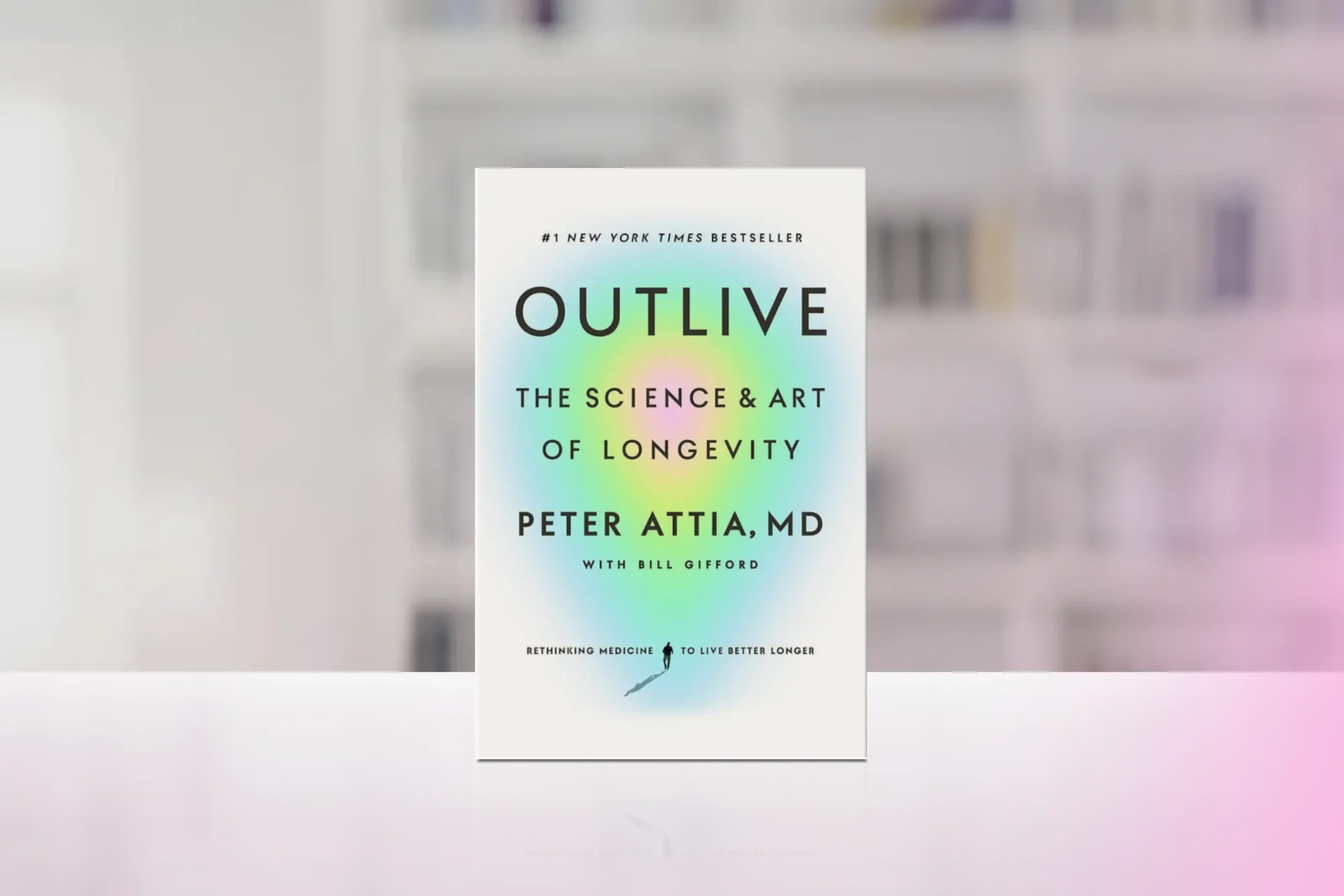
“Outlive” by Peter Attia MD
Science-backed strategies for longevity, health span, and cognitive preservation.
“Thinking, Fast and Slow” by Daniel Kahneman
Explores how cognitive biases shape decision-making and thought processes.
“10% Happier” by Dan Harris
Accessible introduction to meditation and mindfulness for skeptical beginners.
“Flow” by Mihaly Csikszentmihalyi
Explores optimal brain states where focus, creativity, and performance peak.