Summer can leave you tired even when you’re doing everything right. Heat increases fluid losses, long evenings push bedtime later, and lighter meals often mean less protein and iron than usual. There’s no single answer. The best summer foods for energy each target a different problem, so we’ve grouped them by what they may actually help with.
Inside this article:
12 Summer Energy Foods
There is no single energy food. Find the description below that sounds most like your situation, then read those sections rather than trying to act on all twelve.
| If this sounds like you | Foods worth trying |
|---|---|
| Feeling drained by the heat? | Watermelon, Avocado |
| Crashing in the afternoon? | Cooled potatoes, Chickpeas and lentils, Peas and fava beans, Eggs |
| Could your diet be missing something? | Shellfish, Red meat, Oily fish |
| Has exercise started feeling harder? | Beetroot |
| Is poor sleep making you tired? | Tart cherries, Kiwi fruit |
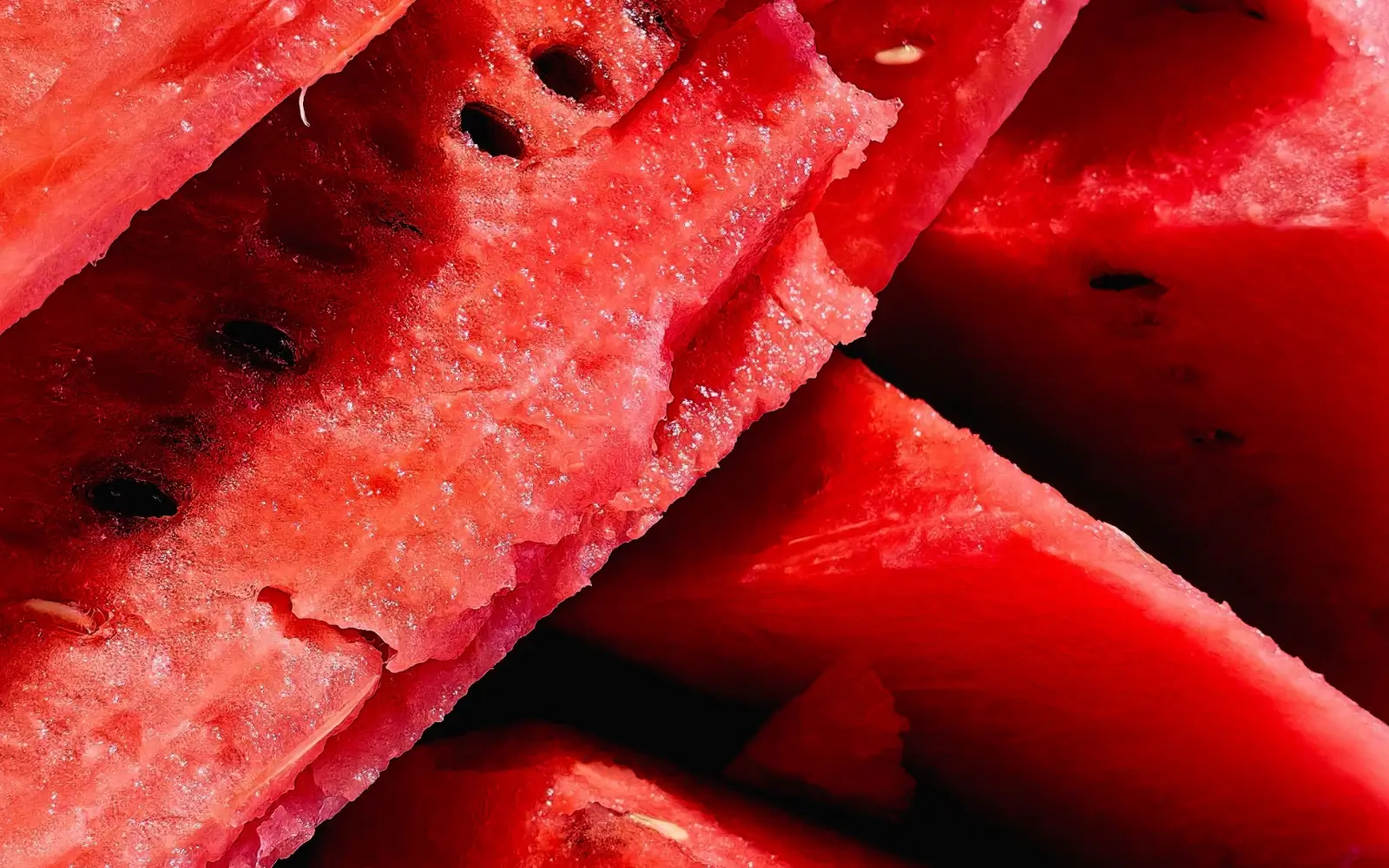
1. Watermelon
Watermelon is about 92% water and provides potassium, making it an easy way to replace some of the fluid and electrolytes you lose through summer heat and sweating. Mild dehydration can affect energy and mood before you necessarily feel thirsty.
Try it: Have about 2 cups with breakfast or as a mid-morning snack on hot days. Keep drinking water normally alongside it.
Best for: When you feel sluggish, headachy or unusually flat by early afternoon, especially after being outside or sweating more than usual.
Key takeaway: Don’t wait until you’re thirsty to start replacing what you’ve lost. Watermelon is an easy way to add both fluid and potassium to your summer diet.
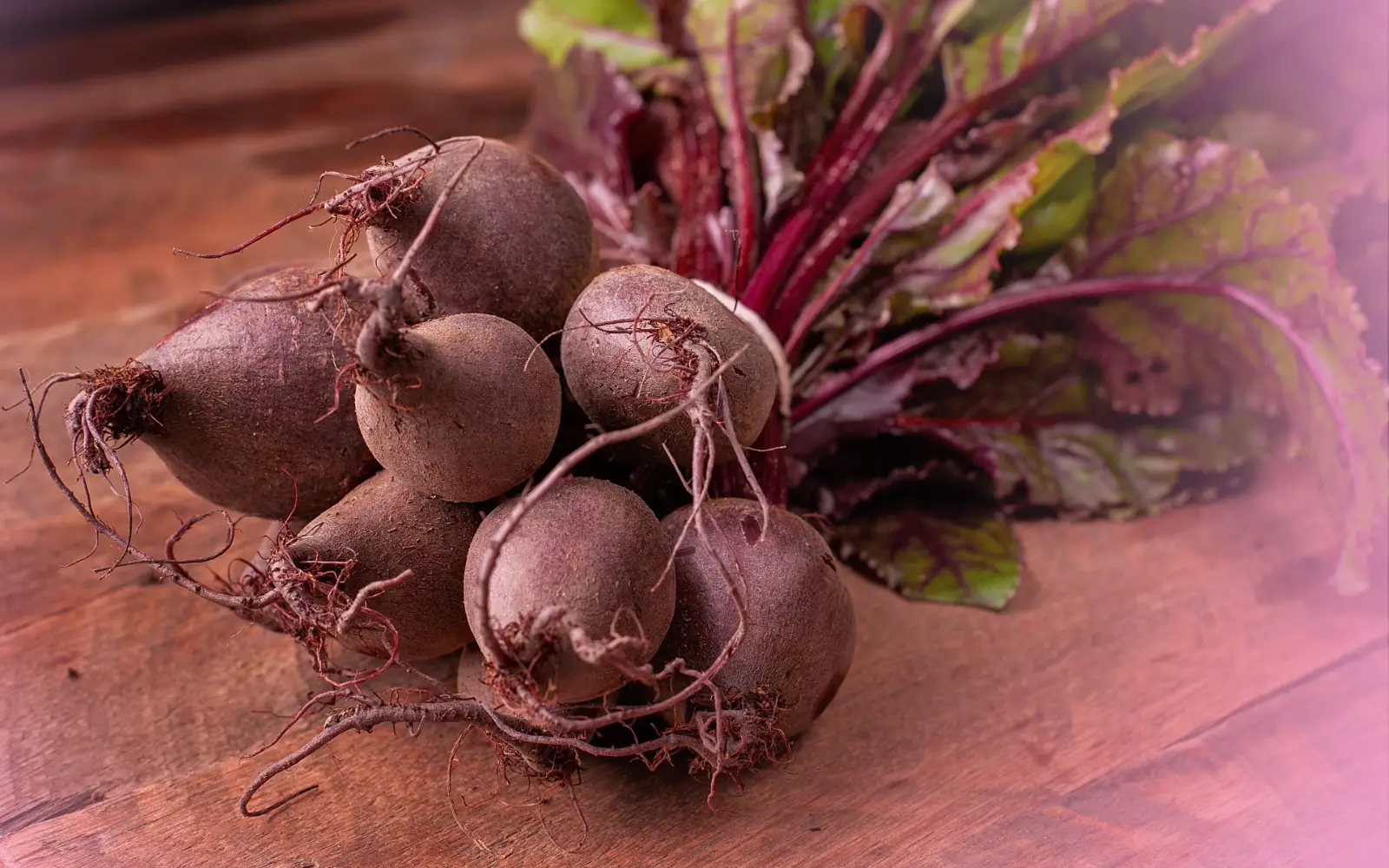
2. Beetroot
Beetroot is high in dietary nitrate, which your body converts to nitric oxide. This widens blood vessels, and in exercise studies it has been shown to slightly reduce the oxygen needed for the same effort. In practice that can make moderate activity feel a little easier, rather than giving you a noticeable lift.
Try it: One roasted beetroot or a small glass of beetroot juice, an hour or two before a walk, a ride or a long stretch of concentrated work. It needs time to convert, so it isn’t a last-minute thing.
Best for: When walks, cycling or hills that used to feel routine have started to feel like hard work.
Key takeaway: Beetroot is worth trying before activity rather than as a daily habit, and it needs a couple of hours’ head start.
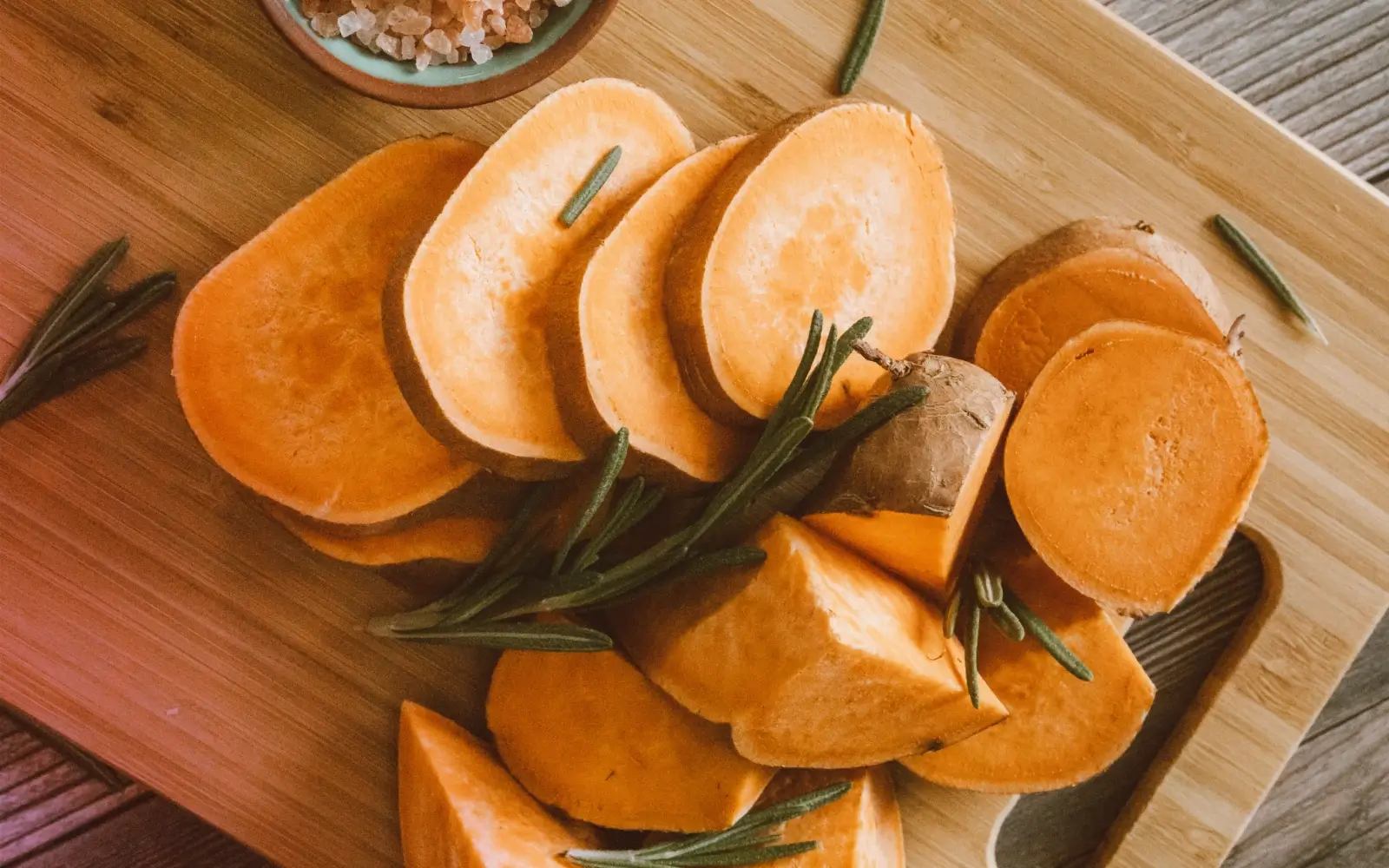
3. New or Sweet Potatoes
Cooking potatoes and then cooling them turns some of their starch into resistant starch, which digests more slowly. Chilled potatoes have been shown to produce a smaller blood sugar and insulin response than the same potatoes eaten hot. Sweet potatoes behave similarly and bring more fiber as well.
Try it: Boil new or sweet potatoes, refrigerate them overnight, and eat them cold in a salad with oil and vinegar. Gentle reheating is fine; a full second bake undoes some of the effect.
Best for: When you want a proper carbohydrate at lunch without feeling heavy or foggy a few hours later.
Key takeaway: The same potato behaves differently depending on how you cook and store it, and cold is the version worth choosing at lunch.
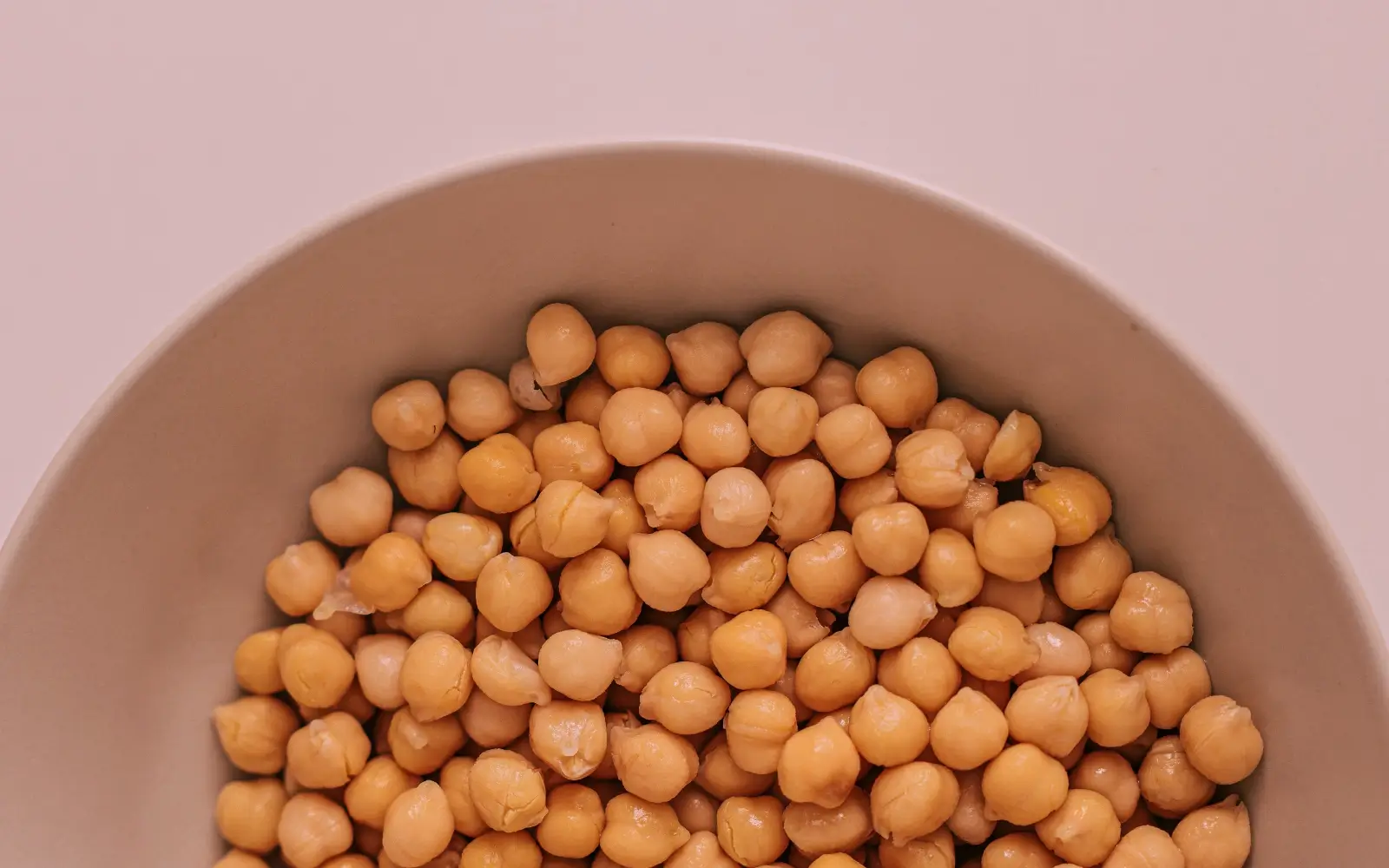
4. Chickpeas and Lentils
The mid-afternoon dip is often about how quickly lunch is digested. A fast-digesting meal raises blood sugar quickly, and the fall afterwards is part of what you feel as fogginess. Legumes are slower, because their fiber and resistant starch spread the same energy over a longer period. They are one of the small habits that hold a day together.
Try it: Add half a can, around 4oz drained, to your usual lunch a few times a week. They need to be a real part of the meal rather than a spoonful on the side.
Best for: When you are sharp in the morning and consistently useless by mid-afternoon, most days rather than occasionally.
Key takeaway: Changing what your lunch is actually made of tends to work better than trying to push through the dip afterwards.
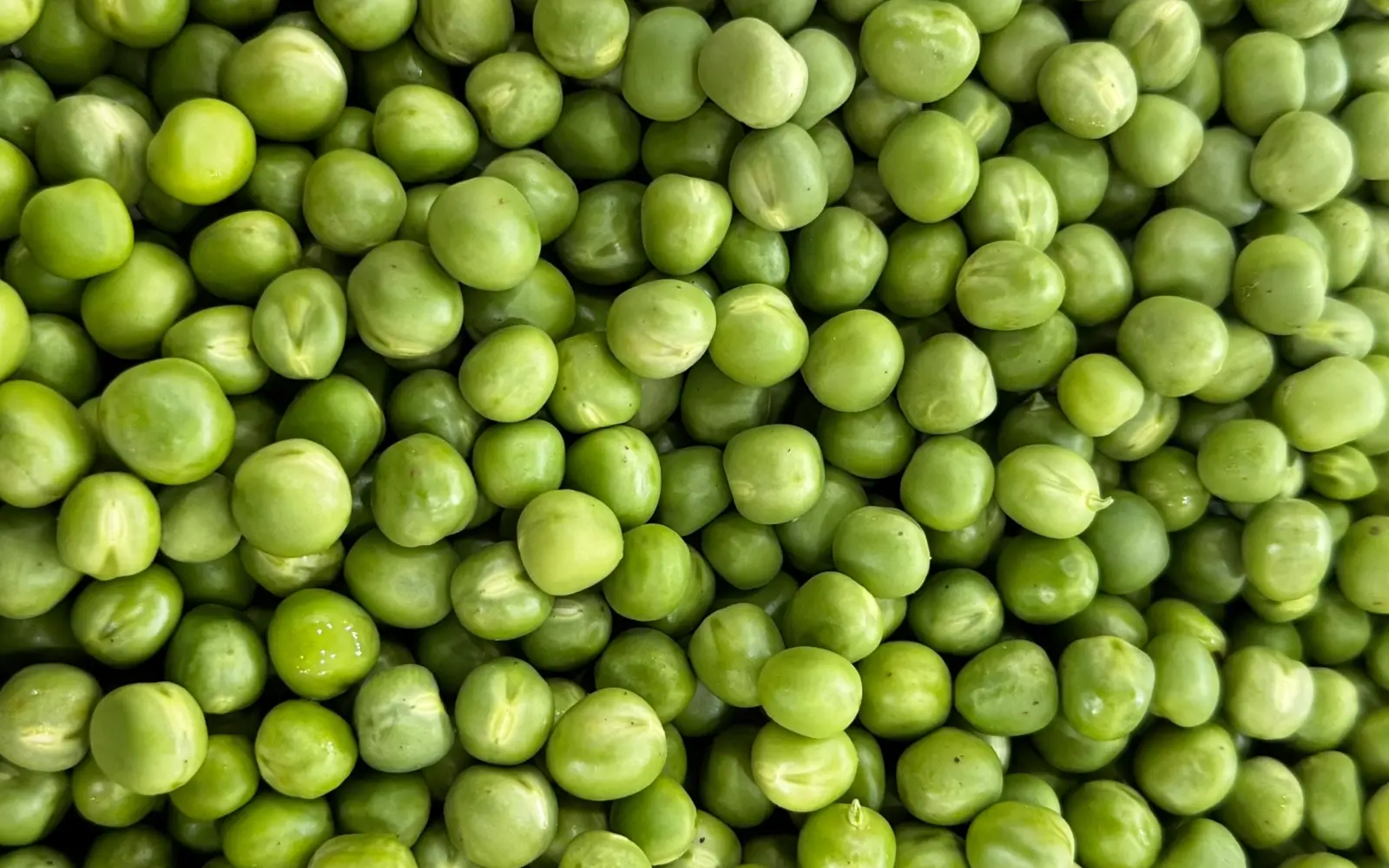
5. Peas and Fava Beans
Peas and fava beans are among the better everyday sources of folate, a B vitamin involved in making the neurotransmitters linked to alertness and mood. Low folate is associated with fatigue, though that doesn’t mean extra folate will lift energy in someone whose levels are already fine. There is more on how nutrients reach the brain.
Try it: A generous serving, around three-quarters of a cup, a few times a week. Frozen counts and is often picked and frozen within hours. Steam briefly, because folate is water-soluble and heat-sensitive.
Best for: When your summer eating has drifted towards bread, salad leaves and not much else of substance.
Key takeaway: Frozen peas are a cheap way to cover a nutrient most people never think about, and overcooking undoes the point.
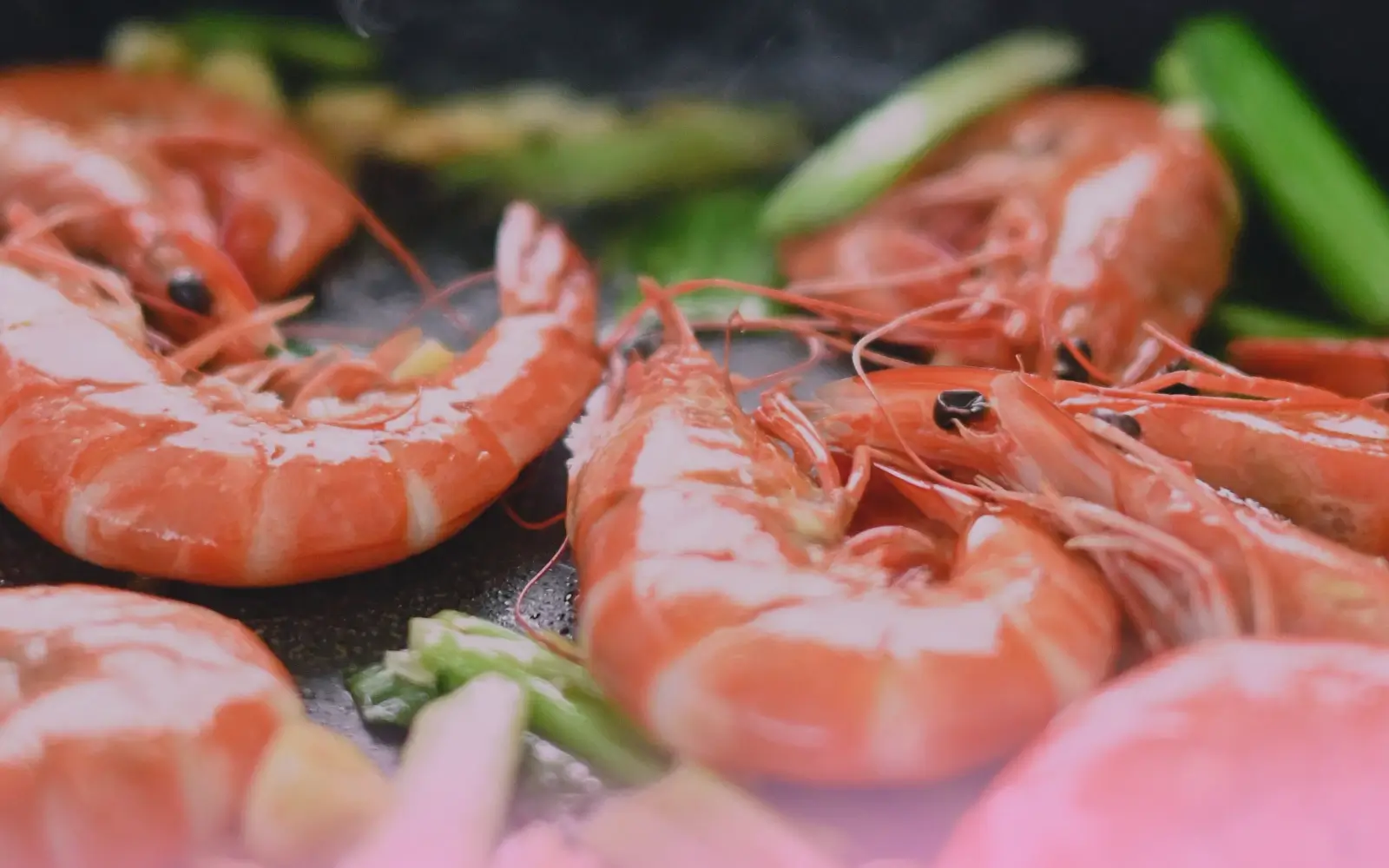
6. Shrimp and Shellfish
Fatigue is the symptom most commonly reported by people with low vitamin B12, and shellfish is the most concentrated food source available. This only matters if you are actually short, which is more likely if you have cut back on meat, fish or dairy over the past year.
Try it: One shellfish meal a week is enough to make a real difference to your intake. Shrimp with garlic and lemon takes about four minutes.
Best for: When you have reduced animal foods and noticed your stamina drop alongside it.
Key takeaway: B12 is worth testing rather than guessing, but shellfish is an easy way to raise your intake in the meantime.
7. Red Meat and Liver
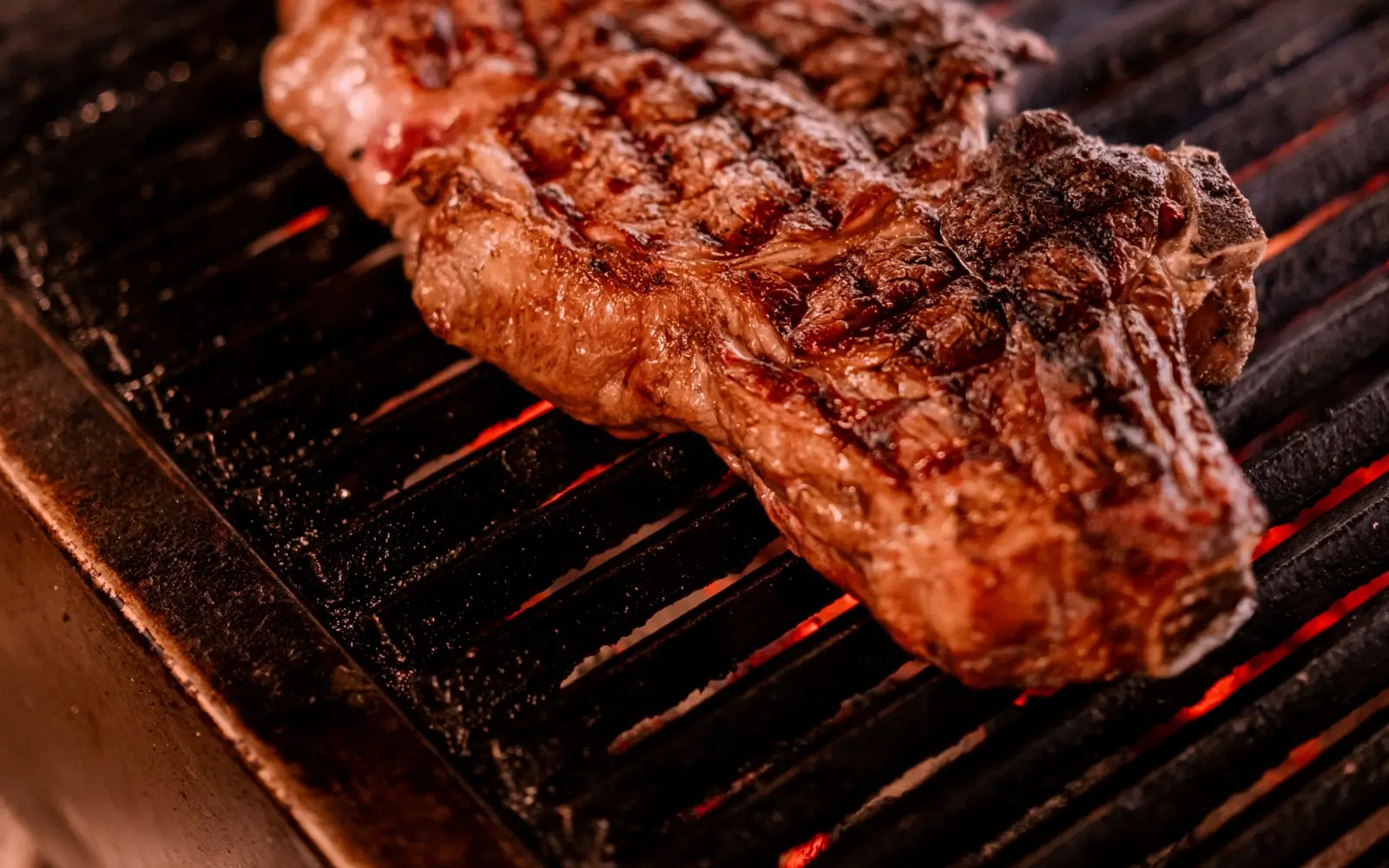
Iron from meat is absorbed considerably more efficiently than iron from plants. In one trial of women with unexplained fatigue but no anemia, only those whose ferritin was already low saw any improvement from iron. So this is relevant if you are short, and not especially otherwise.
Try it: One or two red meat meals a week covers most people. On other days, pair plant sources of iron with something rich in vitamin C, which improves how much you absorb.
Best for: When you are unusually breathless on stairs or during activity that used to feel easy, particularly if you menstruate.
Key takeaway: Iron is worth testing before treating, because supplementing when you don’t actually need it carries risks of its own.
8. Eggs
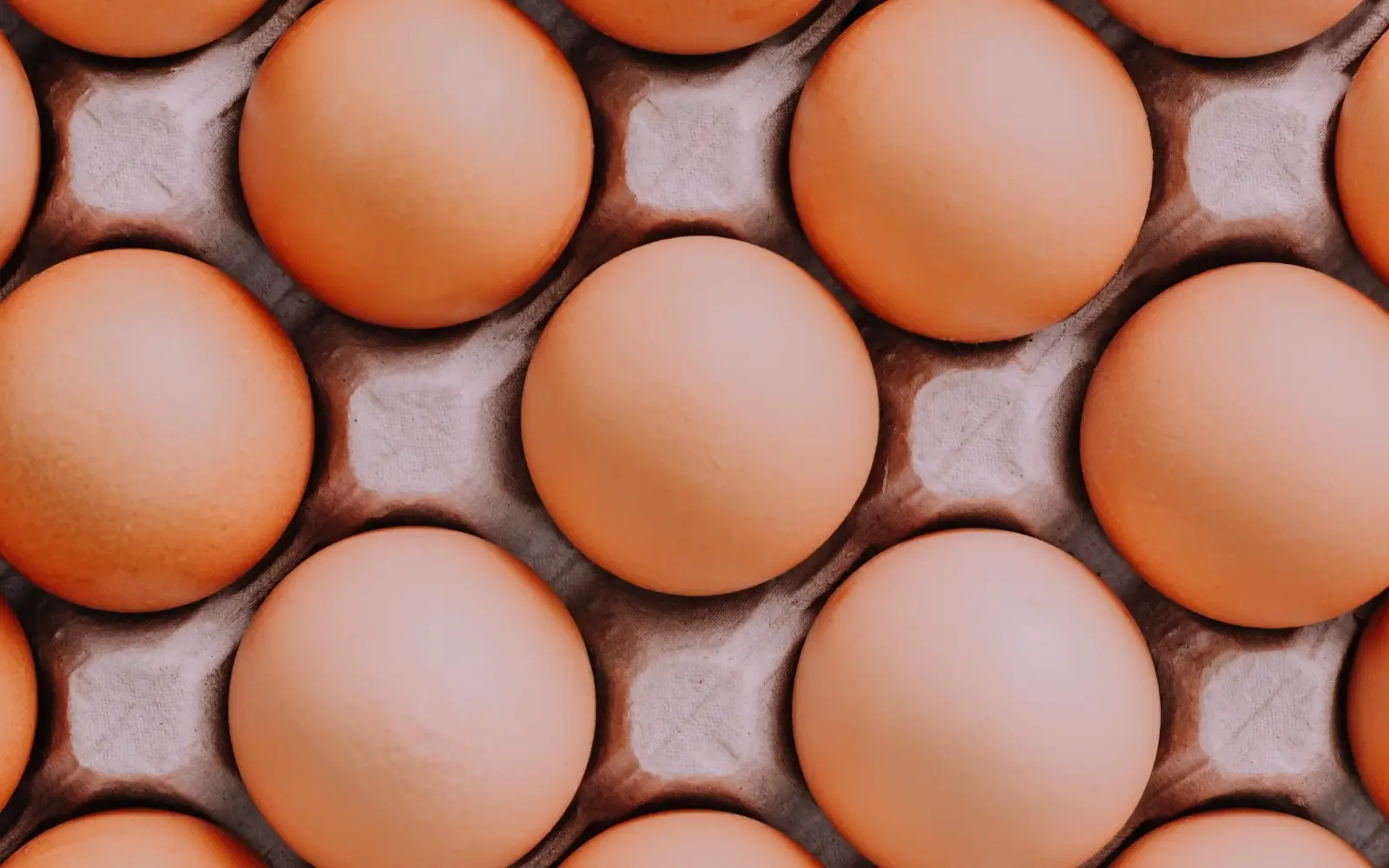
Hot mornings tend to push breakfast towards fruit, cereal or nothing at all. A meal made mostly of quick carbohydrate can leave you hungry and flat by mid-morning. Eggs add protein and leave the stomach more slowly, which tends to make the first half of the day steadier. They fit neatly into a morning routine that actually sticks.
Try it: Two eggs, cooked however you like them, within an hour or so of waking. Eat on most mornings rather than all of them.
Best for: When you are ravenous by half past ten and reaching for a second coffee to get through to lunch.
Key takeaway: What you eat at breakfast shapes the rest of your morning more than most people give it credit for.
9. Avocado
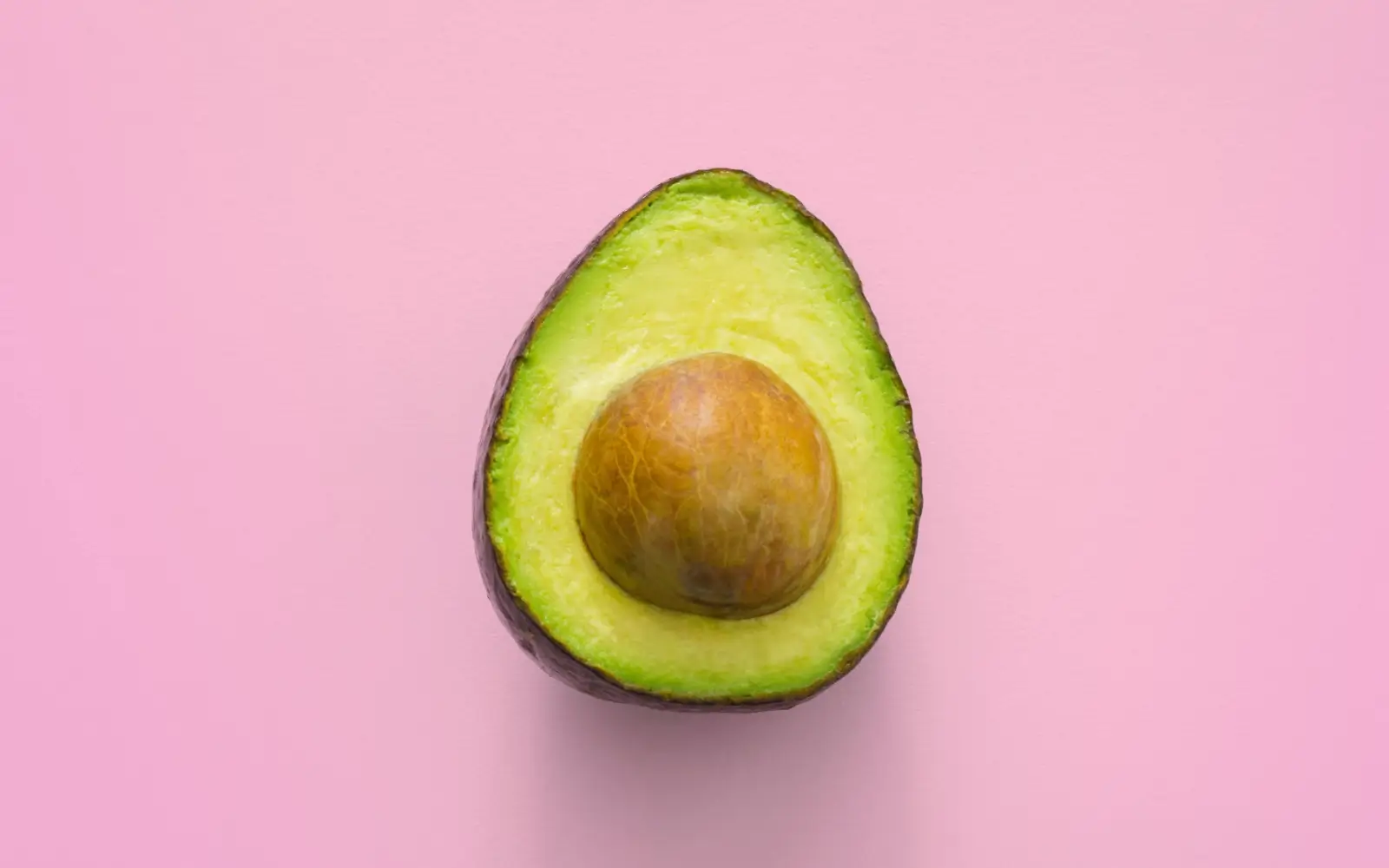
Sweat carries out sodium and potassium as well as water. Potassium is the one most people fall short of, largely because it comes from foods eaten in quantity rather than sprinkled on top. Avocado is one of the more practical everyday sources.
Try it: Half an avocado a day through the hot months, ideally in a salad or alongside a meal.
Best for: When you cramp at night, or feel wrung out after a hot commute or a long day outdoors.
Key takeaway: Replacing lost fluid without replacing lost minerals only goes so far, and food is an easier route than sports drinks.
10. Oily Fish
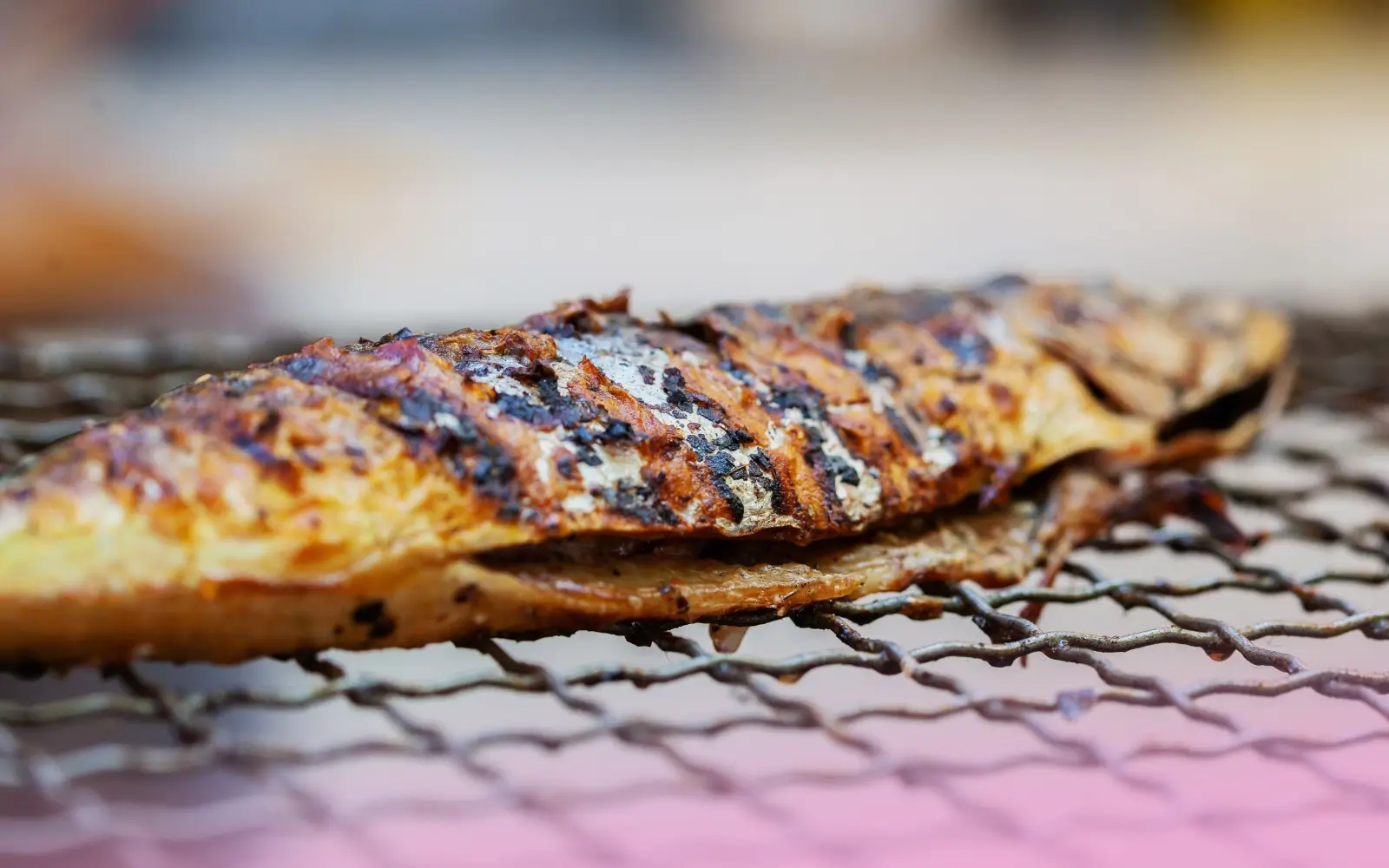
Salmon, mackerel and sardines are among the few foods providing meaningful amounts of vitamin D. In one placebo-controlled trial, adults who were deficient reported less fatigue after supplementing. Summer sun helps, but skin tone, sunscreen and time spent indoors all affect how much you actually make.
Try it: Two portions a week. Grilled mackerel and canned sardines both count, and canned is by far the cheaper option.
Best for: When you work indoors through the brightest months and still feel flat, or you know your vitamin D has run low before.
Key takeaway: Summer is a good time to build vitamin D stores rather than assume the sun has already covered it.
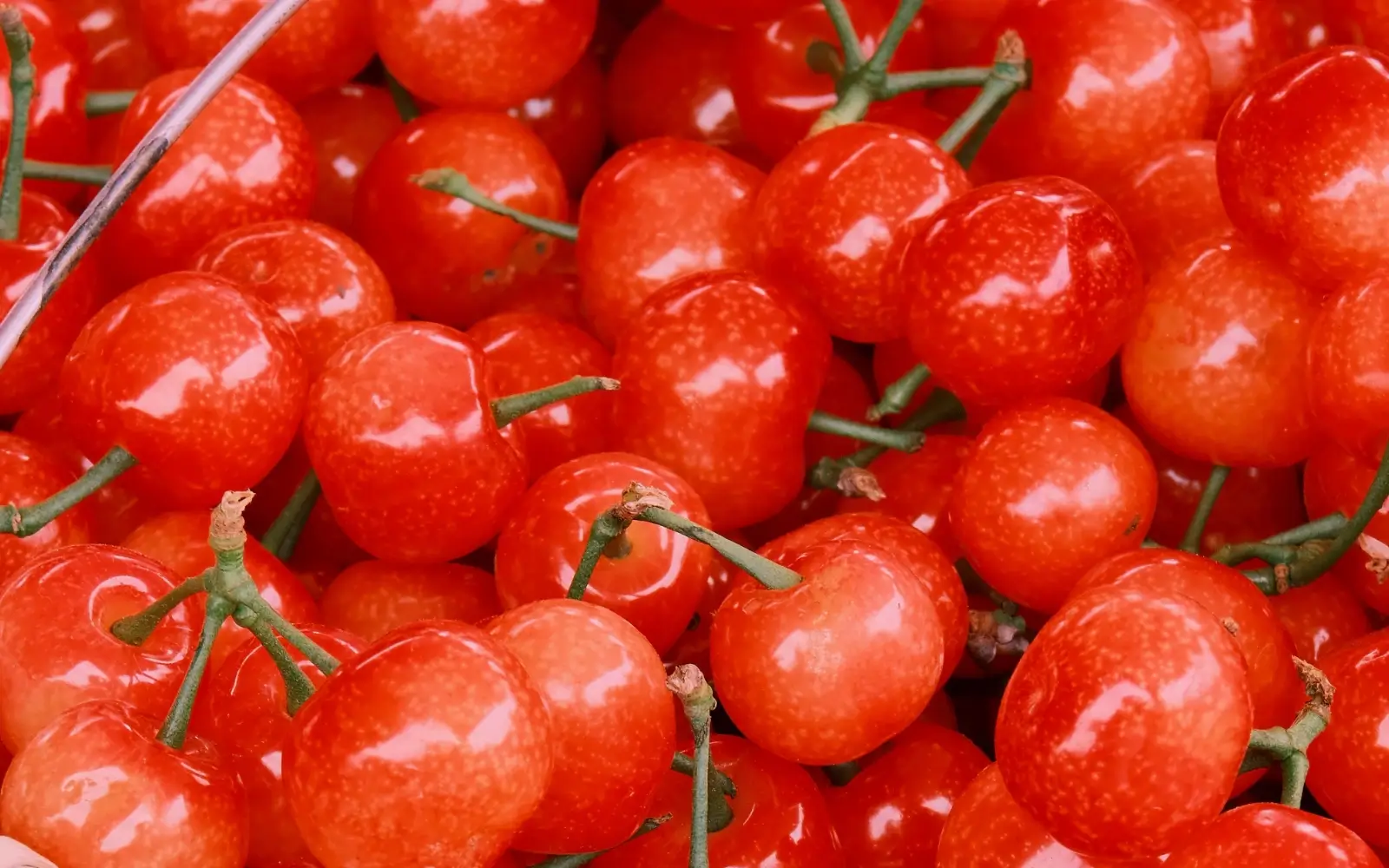
11. Tart Cherries
Tart Montmorency cherries contain small amounts of melatonin. In a placebo-controlled crossover study, participants drinking tart cherry juice slept around forty minutes longer on average. The effect is modest and not every trial has reproduced it, so treat it as worth trying rather than reliable. There is more on why sleep matters so much for energy.
Try it: Two tablespoons of tart cherry concentrate in water, in the morning and about an hour before bed, for a week or two. Sweet cherry juice is a different product and wasn’t what was tested.
Best for: When long, light evenings have pushed your bedtime later and you aren’t making the time back.
Key takeaway: This is a small effect on sleep duration, which makes it worth a two-week trial rather than a long-term commitment.
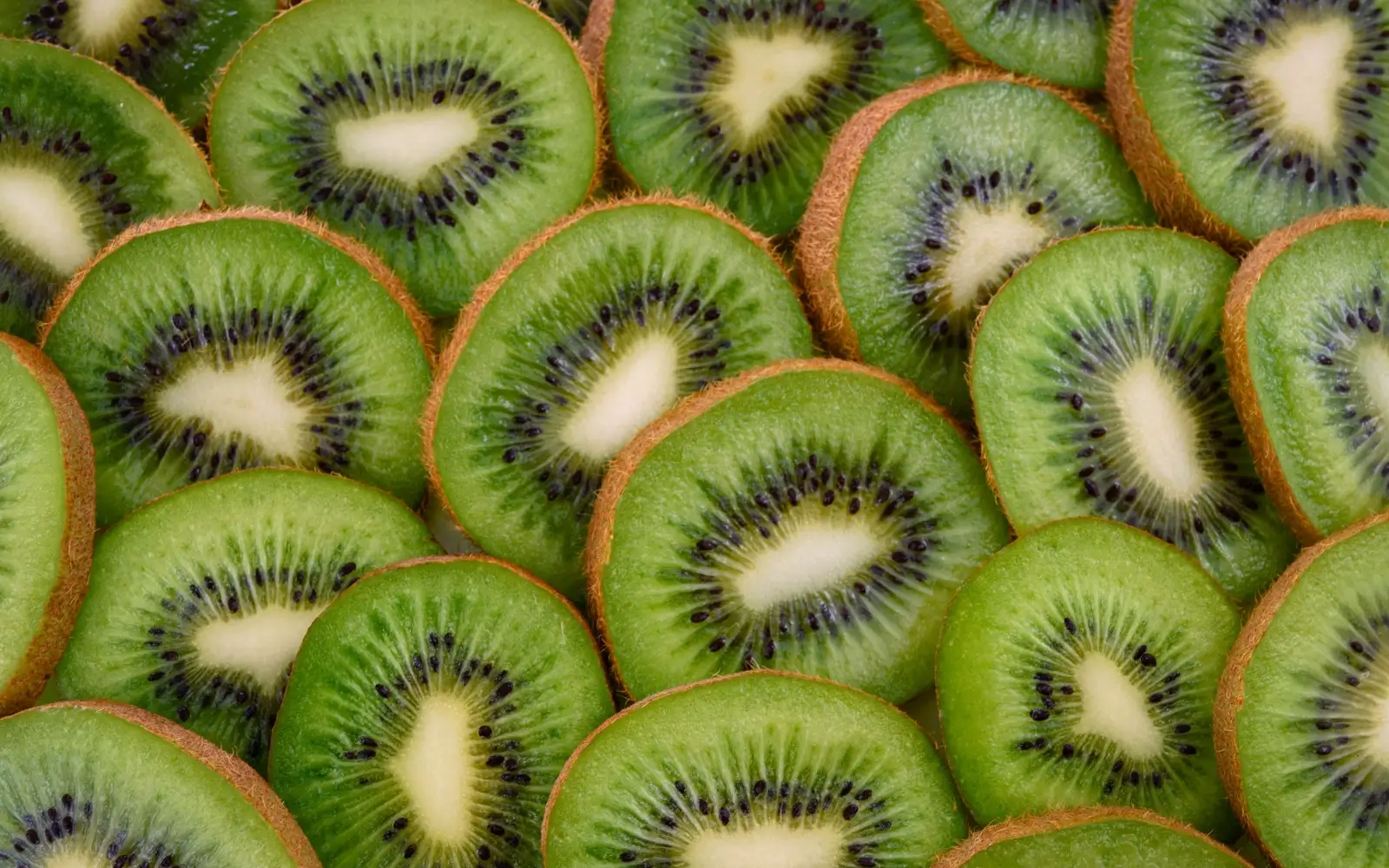
12. Kiwi Fruit
This is the most specific suggestion here. In a four-week study, adults with sleep problems ate two kiwifruit an hour before bed and reported falling asleep faster and spending less time awake in the night. It was a small, unblinded study, so treat it as a cheap experiment rather than settled science.
Try it: Two kiwifruit about an hour before bed, most nights, for around four weeks. Keep a rough note of how long it takes you to fall asleep.
Best for: When you are tired by ten in the evening but still wide awake at eleven.
Key takeaway: Give it a few weeks rather than a few nights, and track one thing so you can tell whether it worked.
Where to start
Don’t change your entire diet because of this list. Pick one problem:
- Afternoon crash? Try replacing your usual lunch carbohydrate with cooled potatoes, or adding chickpeas or lentils.
- Feeling depleted in the heat? Pay attention to fluids and include potassium-rich foods such as watermelon or avocado.
- Sleeping badly? Try kiwi as part of your evening routine for several weeks.
- Tired all the time? Don’t assume food is the answer. Persistent fatigue can have many causes and may be worth discussing with a clinician.
Consistency, not perfection, drives sustainable wellbeing. When the problem is mood rather than energy, a different twelve foods apply.
Frequently Asked Questions
Do these summer foods for energy work better than caffeine?
They work differently. Caffeine can make you feel more alert for a while, but it doesn’t fix the reasons you feel tired. Staying hydrated, eating balanced meals and sleeping well can improve your energy throughout the day. You may find you need less caffeine as a result.
How quickly should these summer foods make a difference?
It depends on what you’re trying to improve. Hydration can make a difference within a day, while lunch changes may affect how you feel that same afternoon. The kiwi routine was studied over four weeks. Correcting an iron or vitamin D deficiency can take much longer. Give each change enough time to work.
Is fruit sugar a problem in summer?
Whole fruit contains fiber and water, which slow down how quickly its natural sugars are absorbed. Juice and blended fruit are easier to consume quickly, so they can deliver more sugar at once. When you can, choose whole fruit. For most people, eating fruit in summer isn’t a problem.
Can I get these summer nutrients from supplements instead?
Some, but not all. The research behind many of these foods looked at whole foods or food-level amounts, which also provide fiber, fluid and other nutrients. Supplements can be useful when you have a confirmed deficiency, but they aren’t always a substitute for a balanced diet. If you’re considering supplements for ongoing fatigue, talk to your doctor first.
What if I feel tired all the time, not just in summer?
f your fatigue lasts for weeks or affects your daily life, it’s worth talking to a doctor rather than trying to fix it with food alone. Sleep problems, iron or B12 deficiency, thyroid problems and sleep apnea are among the possible causes. Food changes can support your energy, but they shouldn’t replace finding out what’s behind persistent fatigue.
Important Disclaimer:
The information in this article is provided for general educational and informational purposes only. It is not intended as medical, health, or professional advice and should not replace guidance from a qualified healthcare provider.
Any actions you take based on this content are at your own discretion. We strongly recommend consulting a qualified healthcare professional before making changes to your diet, sleep routine, exercise program, supplements, or other wellbeing practices. Everyone’s body and circumstances are different, so it’s important to make choices that feel safe, appropriate, and supportive for your personal health journey.
Related articles
Moodboosters: 12 Things to Eat When You’re Feeling Like Crap
The mood-focused companion to this piece, for the days when the problem isn’t energy.
Sleep Is the Real Superpower: Here’s How to Get It Right
Two of the twelve foods here work through sleep. This is the rest of that lever.
The Simple Good Morning Routine That Actually Sticks
Where the eggs, the water and the light all fit together.
26 Powerful Life-Changing Wellness Habits That Actually Work
The wider set of habits these foods sit inside.
The Connection Between Nutrition and Mental Health
How what you eat reaches the brain, in more detail than this article has room for.
Further reading
“Good Energy” by Casey Means MD
Why fatigue, focus and mood track metabolic health, and what to change first.
“Eat Move Sleep” by Tom Rath
How food, movement and sleep work together through small daily choices.
“Why We Sleep” by Matthew Walker
What sleep is actually doing, and what you lose when it is cut short.