
Are you too old to work or have you simply been told that for so long you’ve started to believe it? The idea that people should stop working at a fixed age is one of the most widely accepted myths in modern life. This article unpacks where that idea came from, why it doesn’t hold up to scrutiny, and what a more honest relationship between age and work might actually look like.
Inside this article:
TL;DR:
The idea of being too old to work is cultural, not biological, and what matters is fit, not age.
- Too old to work is a modern, industrial-era construct
- Historically, people worked as long as they were able, with experience valued
- Many cognitive strengths can remain stable or improve with age
- The real question is whether your work fits your abilities, health, and purpose

1. A History We Forget
Fixed retirement age is surprisingly new concept and it was not designed around human capability.
For most of human history, there was no retirement age. People worked as long as they were able, and older adults stayed central to family and community life. Experience mattered as much as strength and elders were keepers of knowledge about farming cycles, trade, healing, and decision-making.
The idea of retiring at a fixed age emerged during the industrial era, when work became standardized, physically demanding, and time-regulated. As factories expanded in the 19th and early 20th centuries, employers valued speed and endurance, making older workers seem less productive by comparison.
Pensions and state retirement policies reinforced this. Retirement was not originally a reward for long service, it was partly a fix for unemployment, old-age poverty, and the physical toll of manual labour.
Once governments set formal retirement ages, a cultural script hardened that has barely been questioned since. It went something like this:
- Education: learn everything you need in your youth
- Work: spend your prime decades earning and building
- Retirement: exit at the appointed age, regardless of capability or desire
- Decline: the assumed natural conclusion of the story
That script reflects industrial-era economics, not human capability — and it was never designed with individual potential in mind.
Related link:
Key Takeaway: The retirement age we treat as natural was a policy design choice built for a different era of work. It was never a statement about human potential.

2. Why We Stopped Valuing Older Workers
The reduced value placed on older workers is structural and cultural, not primarily biological.
Understanding where this bias comes from is the first step to seeing past it.
- Productivity bias: systems built around speed and output assumed older workers were slower, undervaluing accumulated judgment
- New replaces old: tech and industrial economies reward disruption, creating an implicit bias that newer ideas — and younger people — are inherently better
- Synchronised pipelines: fixed timelines (school → career → retirement) treat anyone off-schedule as a problem to manage
- Short-term incentives: organisations optimising for immediate output undervalue mentorship, institutional memory, and strategic depth
- Cultural narratives: media frames ageing as decline rather than adaptation, reinforcing the belief that ability falls in a straight line after midlife
Related links:
Career Reinvention: How to Successfully Navigate Career Change
Redefining Success: Breaking Free from Societal Expectations
Key Takeaway: The undervaluation of older workers is a feature of how systems were designed, not evidence of declining human worth. Recognising the bias is the first move toward working around it.

3. Age vs. Ability: Not the Same Thing
The deepest flaw in the “too old” argument is that it treats age as a stand-in for capability — and the two are not the same thing.
Ability varies enormously between individuals at every age. Some physical jobs do get harder over time. But many modern roles — consulting, teaching, writing, management, mentoring, creative work – depend on experience, judgment, and emotional intelligence far more than physical capacity. In these areas, older workers frequently hold the advantage.
Cognitive change is real, but it is not a simple decline curve. Vocabulary, pattern recognition, and strategic thinking tend to remain stable or improve with age, even as processing speed slows. The result is not less ability — it is different strengths. This distinction matters enormously in a working world that increasingly rewards judgment, communication, systems thinking, and long-term pattern recognition.
The modern mismatch is not that older people are less useful. It is that our systems were largely designed to stop recognising their value before it runs out.
Related links:
Pattern Recognition: The Career Superpower You’re Not Using Yet
Emotional Intelligence: The Key to Personal and Professional Growth
Key Takeaway: Age changes the shape of your strengths. It rarely eliminates them. The key is finding or creating roles that match the strengths you have now, not the ones you had at 30.

4. The Hidden Cost of Forcing People Out Early
When organisations assume older workers are past their prime, the damage runs far deeper than individual careers.
The costs fall into three distinct areas; personal, organisational, and societal.
The personal cost:
- Work is not only income — it is structure, purpose, and identity
- Early exit is linked to increased isolation and a sharper loss of meaning than most people anticipate
- Wellbeing tends to decline faster when work ends abruptly rather than through a gradual transition
The organisational and societal cost:
- Experienced workers carry institutional knowledge that is genuinely difficult to replace
- In industries facing skill shortages, early-exit policies become a liability rather than a saving
- The assumption that clearing out older workers creates opportunity often ignores the knowledge gap that follows them out the door
- When large numbers of capable, motivated people are excluded from meaningful work on the basis of age alone, that is a collective waste of potential, contribution, and hard-won experience
Related links:
Key Takeaway: Forcing people out of work early is not just a personal problem — it is an organisational and societal one. The hidden costs are significant and largely invisible until the talent is already gone.

5. But Not Everyone Wants to Keep Going
It would be dishonest to argue that everyone should work indefinitely and that is not the point.
Some people are exhausted or burned out. Others want time for family, travel, or creative projects that have waited decades. That choice deserves full respect. The issue is not whether people should retire. It is whether retirement should be a forced expectation rather than a flexible option.
Rather than a hard stop, consider what a redesigned working life could look like:
- Phased retirement: gradually reduce hours and responsibility over two to three years
- Part-time roles: stay active in your field without the full demands of a senior position
- Consulting transitions: take your expertise independent and work on your own terms
- Portfolio careers: combine 2-3 part-time roles, projects, or income streams into a whole
- Second careers: use accumulated skills as the foundation for an entirely new direction
What matters is genuine agency over that choice — not being pushed out by age-based assumptions before you are ready, or equally, kept in a role that no longer serves you.
Related links:
How to Know When It’s Time to Change Careers: A Purpose Checklist
Navigating Life Transitions: How to Reassess Your Purpose During Major Changes
Key Takeaway: Retirement should be a choice made on your terms, not a script you follow because society expects it at a particular age. Genuine flexibility here is still rare — and worth fighting for.

6. Reinventing Yourself in Your 50s
The 50s are often framed as a period of decline, but neuroscience tells a different story.
At this stage, experience is highly developed, neural networks are richly interconnected, and learning still actively reshapes the brain. Because new learning builds on existing pathways, midlife can be an unusually efficient time to reinvent. The raw material is already there — it just needs a new direction.
Common and successful transitions at this stage include:
- Moving into advisory roles — a former marketing director advising early-stage companies part-time
- Starting a business — an engineer opening a small design or consulting studio
- Shifting into teaching or coaching — a corporate leader mentoring younger professionals
- Going independent — a finance professional becoming a freelance analyst, writer, or adviser
What these transitions share is that they leverage what already exists — deep expertise, strong networks, earned credibility — while opening new levels of autonomy and meaning. That combination is hard to find in your 20s. It becomes very available in your 50s.
Key Takeaway: The 50s are not a closing chapter they are a pivot point. The expertise you have built is the most valuable asset you can bring to a reinvention. Use it as a strong foundation to your future success, not a limitation.

7. Finding Success After 60
After 60, success becomes less about speed and more about depth, integration, and the ability to see patterns that others miss.
Research consistently highlights clear strengths in older adults that have direct professional value: faster pattern recognition built on decades of experience, stronger emotional regulation under pressure, superior big-picture reasoning, and the ability to synthesise complex information into clear guidance.
Brain plasticity continues into later life when cognitive engagement is maintained — something decades of neuroscience research has consistently supported. This is the foundation of the late-life career: work restructured rather than ended. Part-time consulting. Structured mentorship. Creative or entrepreneurial projects. Lifelong learning pursued not as a hobby but as a professional strategy.
Technology has made this more accessible than ever. Remote work, digital platforms, and flexible schedules mean that people can stay productively active without the physical and logistical demands that once pushed them out. The barriers to meaningful late-life work are lower than they have ever been.
Key Takeaway: The strengths most valued in complex modern roles — judgment, synthesis, emotional regulation — tend to mature in later life. The late-life career is not a consolation prize. For many people, it is their best work.

8. Proof It’s a Pattern, Not an Exception
Late achievement is not a fluke, it is a well-documented pattern across nearly every creative and professional field.
The people below are instructive not because they are extraordinary outliers, but because they are so consistent. Different fields, different decades, different contexts — the same underlying truth: depth and experience compound over time, and the best work often comes later than anyone expected.
In Their 50s
Your 50s are often portrayed as the beginning of decline, but for many people they become a decade of mastery, reinvention, and breakthrough achievement.
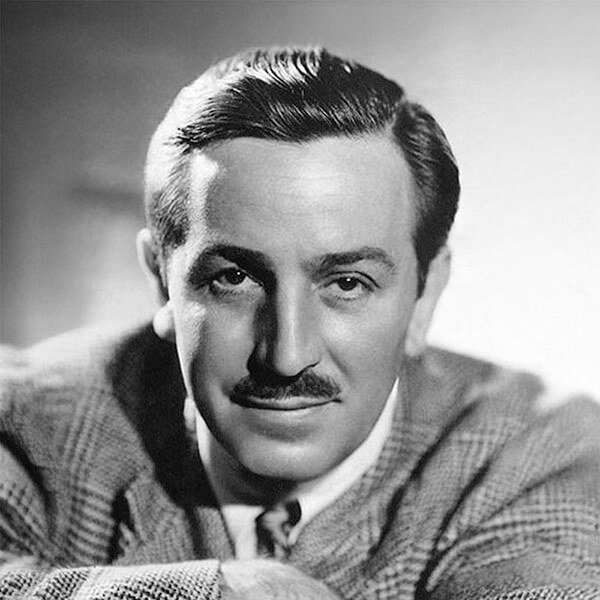
Julia Child
After years of searching for meaningful work, Julia Child discovered French cooking and devoted herself to mastering it. She published Mastering the Art of French Cooking around age 50 and became one of television’s most beloved personalities. Her success shows that finding your true calling later in life can still lead to extraordinary impact.
Ray Kroc
Ray Kroc spent much of his life as a travelling salesman before joining McDonald’s at 52. Drawing on decades of business experience and persistence, he transformed a small restaurant into one of the world’s most recognised brands. His story demonstrates how accumulated knowledge and resilience can become powerful advantages later in life.
Charles Darwin
Charles Darwin spent decades gathering evidence and refining his ideas before publishing On the Origin of Species at age 50. The book transformed biology and reshaped scientific thinking. His achievement highlights how some of life’s most important contributions emerge not from youthful speed, but from patience, experience, and sustained effort.
In Their 60s
Your 60s can be a period of extraordinary creativity and contribution, especially when experience and perspective are combined with a willingness to begin again.

Frank McCourt
After teaching for more than 30 years, Frank McCourt published his first book at 66. Angela’s Ashes became an international bestseller and won the Pulitzer Prize. His success illustrates how decades of lived experience can become the foundation for a remarkable second act when combined with the courage to begin.
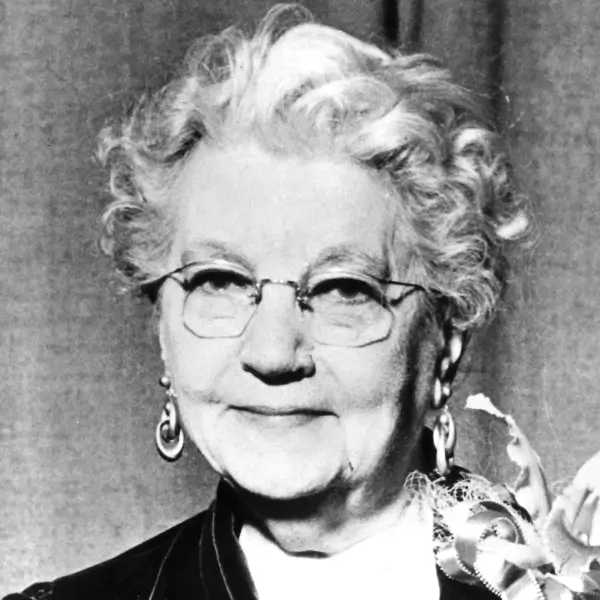
Laura Ingalls Wilder
She began writing the Little House books at 65, drawing on memories of her frontier childhood. The series went on to sell millions of copies and inspire generations of readers. Her story shows that experience accumulated over a lifetime can become a valuable creative asset later in life.

Leonard Cohen
Financial difficulties pushed Leonard Cohen back onto the stage in his mid-60s, launching one of the most celebrated periods of his career. His later performances and albums earned widespread acclaim for their depth and wisdom. Cohen’s resurgence proved that creativity and reinvention do not fade simply because we grow older.
In Their 70s
Your 70s are often assumed to be a time of winding down, yet history is filled with people who produced some of their most important work during this decade and beyond.
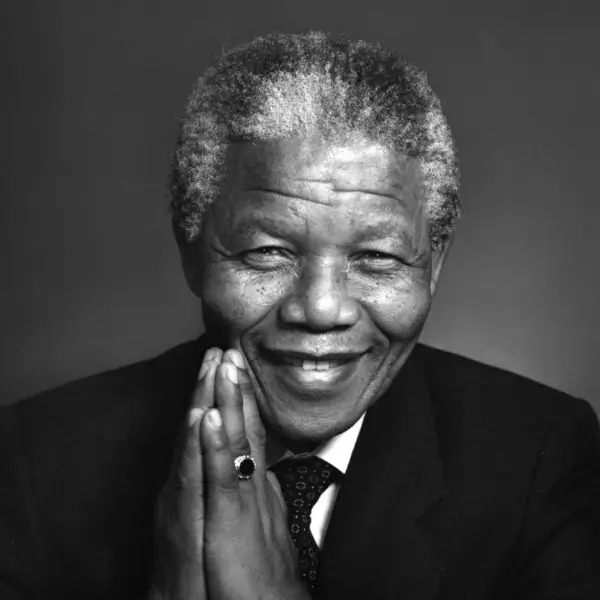
Nelson Mandela
Released from prison at 71 after 27 years of incarceration, Nelson Mandela entered the most influential chapter of his life. He helped guide South Africa’s transition from apartheid and became President at 75. His story demonstrates that leadership, impact, and achievement can reach their peak well beyond traditional retirement age.
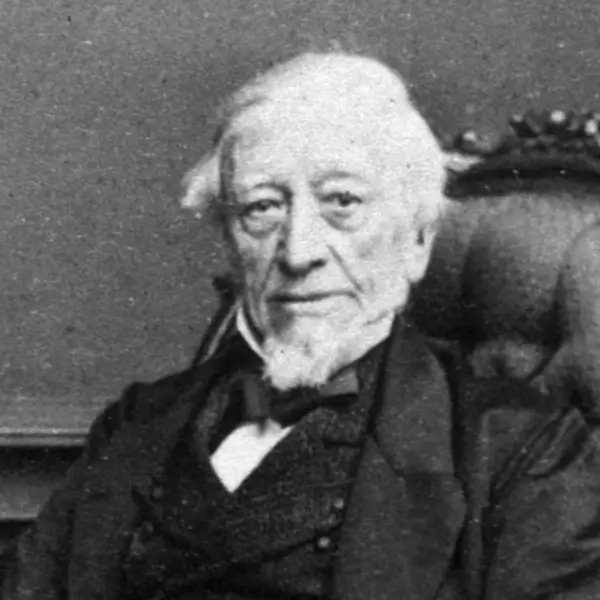
Peter Mark Roget
Roget spent decades compiling lists of words and ideas before publishing his famous Thesaurus at 73. The reference work became a global standard and remains widely used today. His achievement shows how long-term dedication and intellectual curiosity can culminate in lasting success later in life.
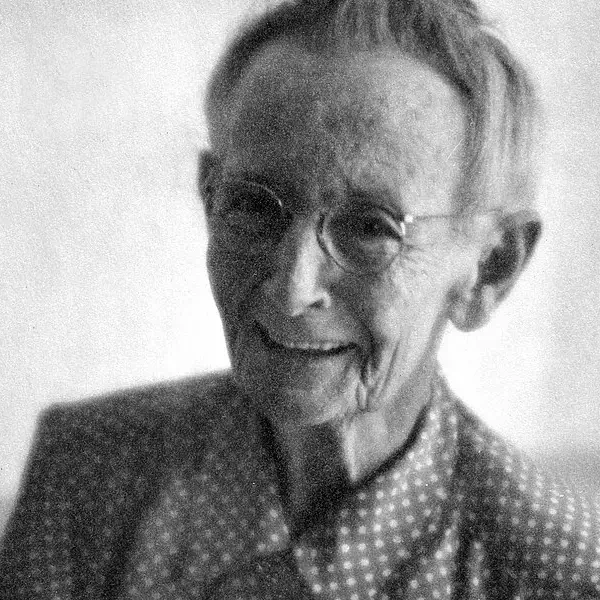
Grandma Moses
Anna Mary-Robertson Moses began painting in her late 70s after arthritis made embroidery difficult. What started as a new hobby evolved into an internationally recognised artistic career. She continued painting into her 100s, proving that it is never too late to discover a talent, pursue a passion, or reinvent yourself.
None of these were lucky exceptions. They were people who brought depth, persistence, and decades of accumulated experience to bear — at exactly the point society was ready to write them off.
Key Takeaway: The idea that meaningful contribution peaks in youth and fades after is not supported by evidence. Late achievement is consistent enough across fields to be treated as a rule, not an exception.
Wrap-Up: Rethinking the Finish Line
The idea of a fixed end to working life is slowly giving way to something more flexible. With longer lifespans and changing forms of work, retirement is becoming less of a sudden stop and more of a gradual shift. Age is not a deadline, but a context. What matters is whether your work still fits your health, abilities, and purpose—and if it doesn’t, it may be time to redesign it rather than walk away.
Next Steps
- Audit your current work against your real strengths—not who you were 10 years ago
- Identify one role, project, or shift that fits where you are now
- Explore phased retirement, consulting, or portfolio careers in your field
- Talk to 2–3 people who’ve made successful late-career transitions
- Commit to active learning—a course, project, or new skill that keeps your mind expanding
What holds you back isn’t age, but the stories you accept about it. Question the script, and the possibilities open up.
Frequently Asked Questions
Is there an age at which someone is truly too old to work?
There is no universal age at which a person becomes unfit to work. Ability varies enormously between individuals, and many roles — consulting, writing, mentoring, strategy — depend on experience and judgment rather than physical capacity. What changes with age is the shape of your strengths, not their existence. The right question is always whether your current work fits where you actually are now.
Why do employers prefer younger workers if older ones add more value?
The bias towards younger workers is largely structural, not evidence-based. Systems built around speed, disruption, and short-term output systematically undervalue the judgment, mentorship, and institutional knowledge that experienced workers bring. Many organisations are beginning to recognise this as skill shortages make the cost of losing experienced talent undeniable — but the shift is still slow.
What cognitive abilities actually improve with age?
Several key cognitive strengths tend to remain stable or improve into later life. These include vocabulary, pattern recognition, strategic thinking, emotional regulation, and the ability to synthesise complex information. While processing speed may slow, the trade-off is often better judgment and calmer decision-making under pressure — strengths that are highly valuable in leadership, advisory, and knowledge-based roles.
What are the best career options for people in their 60s and beyond?
Consulting, mentoring, part-time advisory roles, and portfolio careers are among the most rewarding options for people in their 60s. These structures leverage deep expertise without requiring the same pace as full-time senior roles. Entrepreneurship and creative projects are also increasingly viable, particularly given how much technology has reduced the barriers to working independently on your own terms.
How do I know if it's time to change direction rather than keep going?
The clearest signal is a growing mismatch between your current role and your actual strengths, health, and sense of purpose. If the work no longer fits where you are — not where you were ten years ago — that is not failure, it is information. A purpose checklist or structured career audit can help you distinguish between needing a rest, a redesign, or an entirely new direction. See How to Know When It’s Time to Change Careers for a practical framework.
Related Articles
Career Reinvention: How to Successfully Navigate Career Change
A practical guide to changing direction with confidence.
Your Next Chapter: Finding New Meaning and Purpose After 50
Redefine purpose and direction in life’s second half.
How to Know When It’s Time to Change Careers
A purpose-led checklist to guide your next move.
Stories of People Who Found Their Purpose Later in Life
Real examples of late-life reinvention and fulfilment.
AI Career Pivots: Navigating Change in an AI-Powered World
How to adapt your career in a rapidly changing landscape.
Further Reading
From Strength to Strength by Arthur C. Brooks
A compelling case for flourishing and purpose in life’s second half.
Designing Your Life by Bill Burnett and Dave Evans
How to build a well-lived, joyful life at any stage.
Pivot by Jenny Blake
A practical framework for reinventing your career confidently.
Range by David Epstein
Why generalists and late bloomers often win in the long run.
Transitions by William Bridges
The psychology of navigating change and starting over.