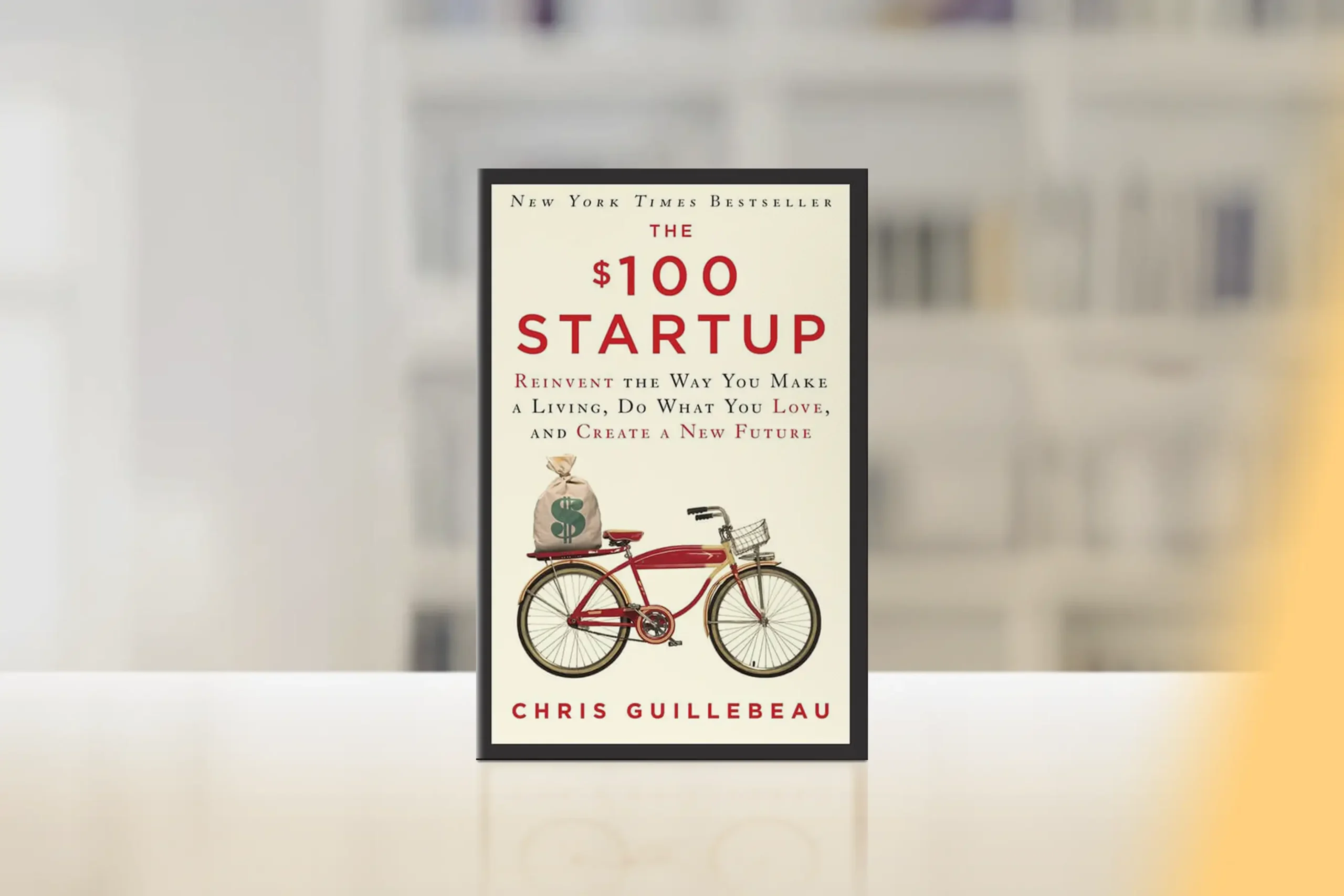
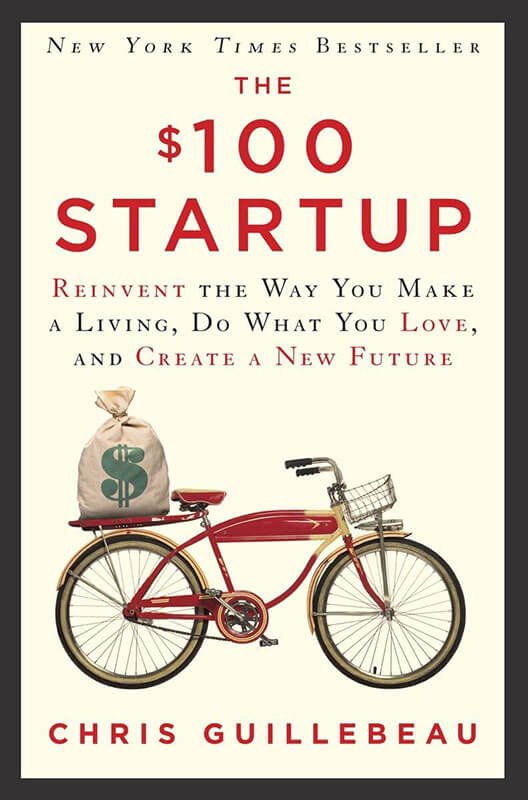
In the world of entrepreneurship literature, “The $100 Startup” by Chris Guillebeau stands out as a beacon of hope and practicality. Published in 2012, this inspiring book challenges the notion that starting a successful business requires substantial capital or extensive experience.
Guillebeau’s work is a testament to the power of passion, creativity, and resourcefulness in building a fulfilling career and lifestyle on your own terms.
Core Concepts
“The $100 Startup” is built on the premise that anyone can launch a profitable business with minimal investment. Guillebeau’s approach revolves around several key principles:
- Convergence: Finding the sweet spot between your passions and what people are willing to pay for
- Value-Based Pricing: Charging based on the value you provide, not just time or materials
- The One-Page Business Plan: Simplifying your business strategy to its essential elements
- Leveraging Small Markets: Succeeding by serving niche audiences effectively
- Action-Based Businesses: Focusing on what you can do now rather than over-planning
By embracing these concepts, you’ll discover how to transform your skills and interests into a viable business venture. Guillebeau’s approach empowers you to take control of your financial future while doing work you love, proving that entrepreneurship is accessible to anyone with determination and creativity.
Chapter-by-Chapter Review
Introduction: Renaissance
Guillebeau introduces a different model of entrepreneurship: businesses that begin with very little money and are built around skills, interests, and opportunities already available to the founder. The focus is not on raising capital or building a huge company, but on creating something useful that people will pay for.
Chapter 1: Renaissance
The book opens with examples of ordinary people who turned small amounts of money into profitable businesses. Their stories challenge the assumption that entrepreneurship requires substantial savings, investors, or a detailed business plan.
Chapter 2: Give Them the Fish
A business succeeds by solving a problem or satisfying a desire that customers actually have. Guillebeau explains how to turn existing skills into a clear offer and, most importantly, make sure there is a market willing to pay for it.
Chapter 3: Follow Your Passion… Maybe
Passion can be a useful starting point, but it does not automatically translate into a viable business. The strongest opportunities tend to combine something you enjoy with something you do well and something other people value enough to buy.
Chapter 4: The Rise of the Roaming Entrepreneur
Technology has made it possible to separate work from a fixed location. Guillebeau looks at businesses that allow their owners to travel, work remotely, and design greater freedom into the way they earn a living.
Chapter 5: The New Demographics
The internet has made it easier for small businesses to reach specialised groups of customers. Instead of trying to appeal to everyone, entrepreneurs can build profitable businesses by serving a clearly defined niche.
Chapter 6: One Thousand True Fans
Guillebeau explores the idea that a small, loyal customer base can be more valuable than a large audience with little connection to the business. With the right product and pricing, a relatively small number of committed customers can provide a sustainable income.
Chapter 7: The One-Page Business Plan
A business plan does not need to become a lengthy exercise that delays action. Guillebeau reduces it to the essentials: what you sell, who you sell it to, why they want it, how you reach them, and how the business makes money.
Chapter 8: Launch!
At some point, planning has to stop and the business has to begin. Guillebeau encourages a fast, practical launch followed by real customer feedback, allowing the product and business model to improve through experience rather than speculation.
Chapter 9: Hustling: The Gentle Art of Self-Promotion
Good products still need attention. Guillebeau presents promotion as a process of building relationships, telling your story, finding the right audience, and making it easy for people to understand why your offer is worth their money.
Chapter 10: Show Me the Money
Revenue alone does not make a business successful. This chapter focuses on pricing, costs, profit, and cash flow, reminding entrepreneurs to understand the financial mechanics of their business and not confuse activity with profitability.
Chapter 11: How to Take Over the World
Growth is presented as a choice rather than an obligation. Some businesses are best kept small and flexible, while others can be expanded into larger operations. The important question is what kind of business—and life—the entrepreneur actually wants.
Conclusion: The $100 Startup
Guillebeau returns to the central message: a successful business can start with very little when it combines a useful skill, a clear customer need, and a simple way to make money. The emphasis throughout is on action, experimentation, and building a business that supports the life you want rather than becoming an end in itself.
Key Strengths
- Packed with real-world examples and case studies of successful microbusinesses
- Offers practical, actionable advice for starting a business on a tight budget
- Emphasizes the importance of passion and purpose in entrepreneurship
- Provides valuable insights on marketing, product development, and pricing
- Encourages readers to take immediate action rather than getting stuck in planning
Potential Drawbacks
- Some strategies may not be applicable to all industries or business types
- The focus on microbusinesses may not appeal to those seeking to build large-scale enterprises
- Some readers might desire more in-depth coverage of certain business topics
Who This Book Is For
“The $100 Startup” is an invaluable resource for a wide range of aspiring entrepreneurs, including:
- Individuals looking to escape the 9-to-5 grind and start their own business
- Creative professionals seeking to monetize their skills and passions
- Students or recent graduates exploring alternative career paths
- Anyone interested in building a side hustle or additional income stream
Final Review
“The $100 Startup” is a game-changer for aspiring entrepreneurs who may have been held back by the belief that starting a business requires significant capital or expertise. Chris Guillebeau’s approach is refreshingly practical and accessible, providing a clear roadmap for turning your passions and skills into a profitable venture.
While the book’s focus on microbusinesses may not suit everyone’s ambitions, the principles and strategies shared are valuable for entrepreneurs at any scale. By emphasizing action over excessive planning and highlighting the importance of providing real value to customers, Guillebeau offers a blueprint for building a business that aligns with your personal goals and values.
Rating: 4.7/5
“This is an empowering guide that proves you don’t need a fortune to start a business – just passion, creativity, and the willingness to take action.
Alternative Books
If you are looking for other books like “The $100 Startup”, consider these alternatives:
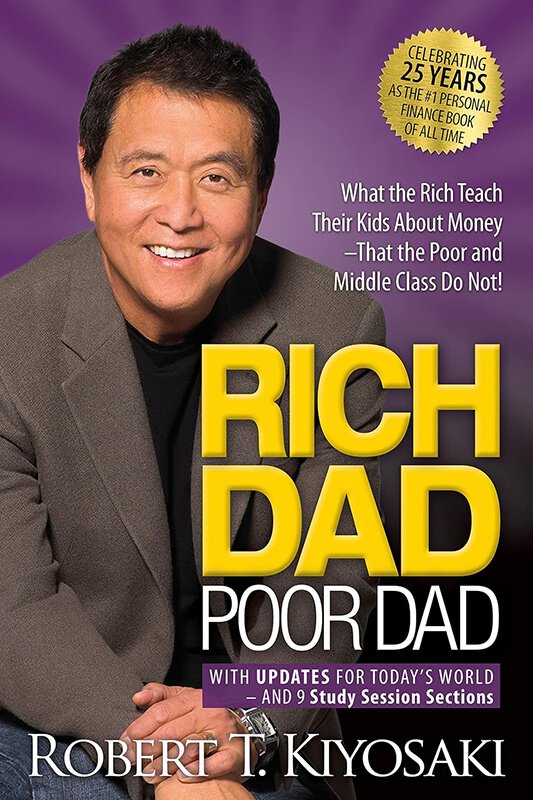
Rich Dad Poor Dad by Robert T. Kiyosaki
Offers insights on financial literacy and entrepreneurial thinking that complement Guillebeau’s practical business advice.
Rating: 4.5/5
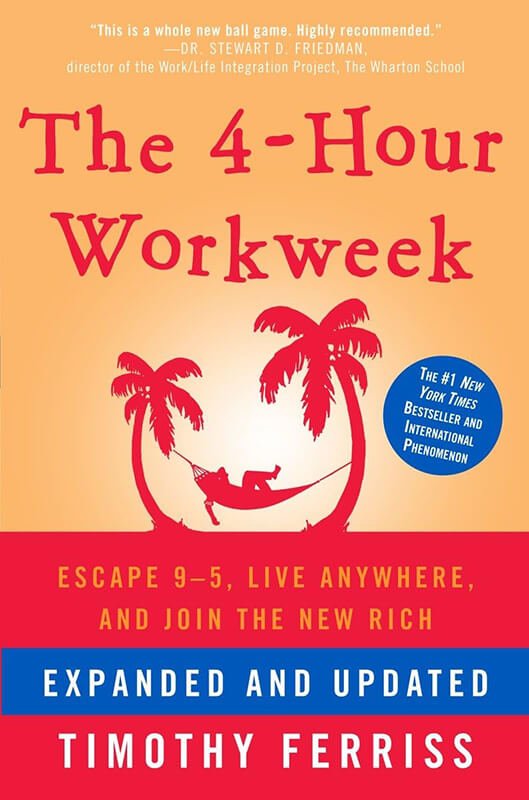
The 4-Hour Workweek by Timothy Ferriss
Explores strategies for building a business that supports a flexible lifestyle, aligning with Guillebeau’s focus on entrepreneurial freedom.
Rating: 4.4/5
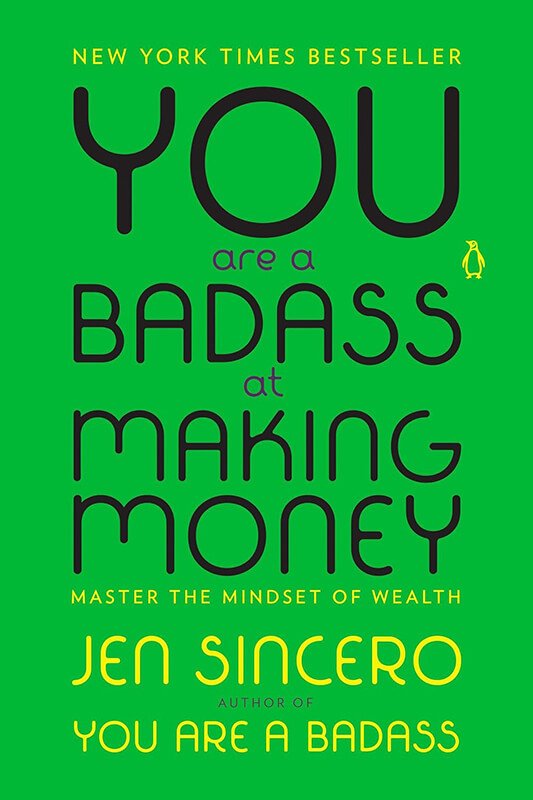
You Are a Badass at Making Money by Jen Sincero
Provides motivational strategies for overcoming financial fears and building wealth.
Rating: 4.7/5