
Almost half of the world’s adults have some form of investment, yet nearly two-thirds feel lost when it comes to the basics. This guide to investing for beginners turns confusion into clarity, breaking down complex concepts into simple, actionable steps to kickstart your journey toward confident, successful investing.
Inside this article:
TL;DR
Investing doesn’t require wealth or expertise to get started. Focus on understanding three core principles: risk and return, diversification, and time horizon. Begin with low-cost index funds or ETFs for broad market exposure, automate your contributions, and stay consistent. Build your emergency fund first, choose a platform that fits your needs, and follow a structured 30-60-90 day plan to build confidence. The real secret to investing success isn’t picking the perfect stock—it’s showing up consistently and letting compound growth do the heavy lifting over time.

Understanding Investment Basics
A few simple foundational concepts can make the difference between confident investors and those who panic when the market starts to dip.
Investing isn’t reserved for Wall Street traders or people with six-figure savings. It’s available to anyone willing to learn the basics. The challenge? Most people skip to picking stocks without understanding the principles that drive long-term wealth.
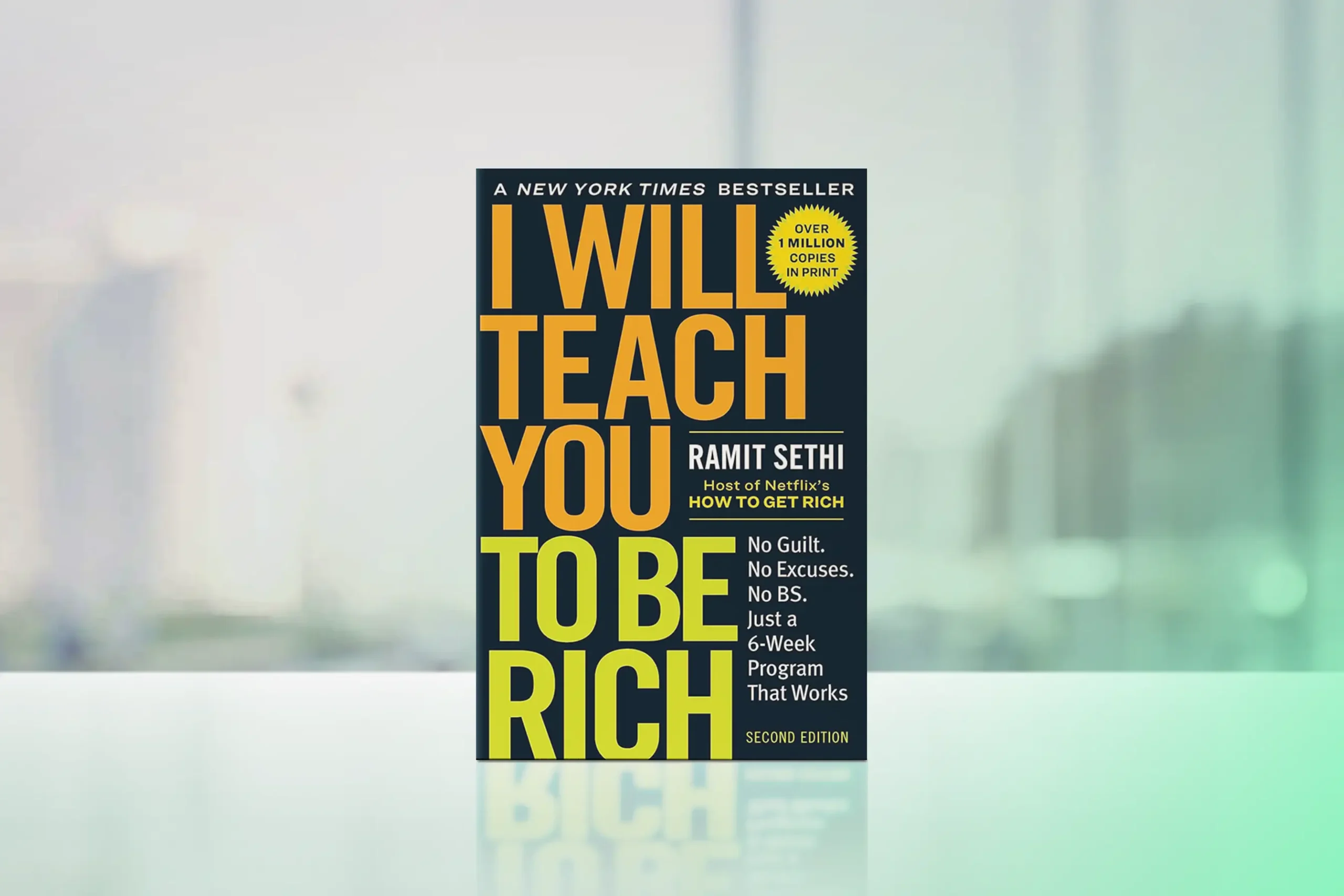
As Burton G. Malkiel explains in “A Random Walk Down Wall Street”, successful investing isn’t about timing the market—it’s about understanding principles and staying the course.
Core Concepts That Matter
- Risk and Return: Higher potential returns come with higher risk. Your age, goals, and comfort with uncertainty shape how much risk makes sense.
- Diversification: Spreading money across different assets, sectors, and geographies reduces the impact of any single investment going wrong.
- Time Horizon: The longer money stays invested, the more time it has to recover from dips and benefit from compound growth.
- Compound Growth: Even modest returns grow significantly when reinvested over years. Starting early matters more than starting big.
Deepen your understanding with The Psychology of Investing: Overcoming Emotional Biases for Better Financial Decisions.
Key Takeaway: Mastering these concepts before investing is more valuable than any hot stock tip. They form the framework for every confident decision you’ll make from here.

Before You Invest
All investing carries risk of losses, so don’t invest until you’ve built a safety net.
Investing is powerful—but it’s not a substitute for stability. Putting money into the market without safeguards can force you to sell at the worst time or take on unnecessary debt.
Start with three non-negotiables:
- $1,000 Starter Emergency Fund: Covers small unexpected expenses—car repairs, medical bills—so you don’t rely on credit cards or pull money from investments early.
- 3–6 Months of Living Expenses Saved: This cushion protects you from selling investments during market downturns if you lose your job or face a major disruption.
- High-Interest Debt Paid Off: Credit card balances at 18–25% interest make investing counterproductive. Paying off that debt delivers a guaranteed “return” higher than the stock market.
Without these basics, investing becomes stressful instead of strategic. Markets fluctuate. Life happens. A safety net gives your money the time it needs to grow.
Learn more in How to Build an Emergency Fund: The Key to Financial Security.
Key Takeaway: Investing works best when you don’t need the money tomorrow. Build stability first—then invest with confidence and patience.

Types of Investments
Different investment vehicles serve different purposes, and understanding what each one does is the first step to building a portfolio that works for you.
Think of investment types like tools in a toolbox. A hammer is great for nails, but you wouldn’t use it on a screw. The same logic applies here. Stocks, bonds, and funds each serve specific functions, and knowing when to use each one puts you in control of your financial future.
Investment Vehicles Compared
| Investment Type | Risk Level | Best For | Time Horizon |
|---|---|---|---|
| Stocks | Higher | Long-term growth | 5+ years |
| Bonds | Lower | Stability and income | 1–10 years |
| Index Funds/ETFs | Moderate | Broad diversification | 5+ years |
| Mutual Funds | Varies | Managed portfolios | 3+ years |
| Target-Date Funds | Moderate | Retirement planning | 10+ years |
Stocks: Ownership in Action
When you buy a stock, you’re purchasing a small piece of a company. Stocks offer the highest growth potential over long periods, but they carry more volatility. Growth stocks focus on rapidly expanding companies, value stocks represent established businesses trading below their perceived worth, and dividend stocks provide regular income while you hold.
Bonds: Steady and Predictable
Bonds are loans you make to governments or corporations in exchange for regular interest payments. Less exciting than stocks, they serve a critical role—providing stability and cushioning your portfolio during downturns.
Index Funds and ETFs: The Beginner’s Best Friend
Here’s something experienced investors wish they’d known earlier: you don’t need to pick individual stocks to build wealth. Index funds and ETFs track entire market segments, giving you instant diversification at minimal cost. Research consistently shows that most actively managed funds fail to beat the market over time.
For a deeper dive, read The First-Time Investor: How to Start Building Wealth Wisely, and explore “The Bogleheads’ Guide to Investing” by Taylor Larimore, Mel Lindauer, and Michael LeBoeuf for timeless portfolio wisdom.
Key Takeaway: For most beginners, starting with low-cost index funds or ETFs provides broad market exposure and diversification without the complexity of picking individual stocks. Each investment type has a role—understanding that role helps you build smarter.

Getting Started with Investing
Starting your investment journey requires a solid financial foundation before you invest your first dollar.
Many people make the mistake of diving into investing before handling the basics. Jumping in without an emergency fund or while carrying high-interest debt is like building a house on sand—it won’t hold up when things get rough.
Build Your Foundation First
- Emergency Fund: Aim for 3-6 months of living expenses in a high-yield savings account. This prevents you from selling investments at a loss during unexpected events.
- High-Interest Debt: Pay off credit cards and other high-interest debt before investing. No investment consistently returns 20%+ per year, which is what many credit cards charge.
- Clear Goals: Define what you’re investing for—retirement, a home, education, or wealth building. Your goal determines your strategy and timeline.
Choose Your Platform
The investing landscape has changed dramatically. You no longer need a traditional broker or large minimums to start.
- Traditional Brokerages: Full-service platforms with research tools and guidance. Best for those who want hands-on control.
- Online Platforms: Low-cost options with user-friendly interfaces. Great for self-directed investors.
- Robo-Advisors: Automated platforms that build and manage portfolios based on your risk tolerance. Ideal for beginners who want a hands-off approach.
- Mobile Apps: Quick-start platforms for learning and making small investments. Perfect for getting your feet wet.
Learn more about building your financial foundation in How to Build an Emergency Fund: The Key to Financial Security, and explore “The Psychology of Money” by Morgan Housel for insights into the mindset behind smart financial decisions.
Key Takeaway: Your investment journey begins with preparation, not stock picks. Build your emergency fund, eliminate high-interest debt, and choose a platform that matches your experience level and goals.

Building Your First Portfolio
A well-balanced portfolio manages risk while positioning you for steady growth over time.
Here’s a counterintuitive insight: the best portfolio for a beginner isn’t the most sophisticated one—it’s the simplest one you’ll actually stick with. Research consistently shows that asset allocation—how you divide your money across stocks, bonds, and other investments—drives roughly 90% of portfolio performance over time. Not stock picking. Not market timing.
Asset Allocation Basics
A common starting point is the “age in bonds” rule: subtract your age from 110 to find your stock allocation. A 30-year-old might hold 80% stocks and 20% bonds, while a 50-year-old might shift to 60/40. This is a guideline, not a rigid rule—your risk tolerance and goals matter more.
| Investor Profile | Stocks | Bonds | Approach |
|---|---|---|---|
| Aggressive (20s–30s) | 80–90% | 10–20% | Growth-focused, high risk tolerance |
| Moderate (30s–40s) | 60–80% | 20–40% | Balanced growth and stability |
| Conservative (50s+) | 40–60% | 40–60% | Capital preservation, income focus |
Start Simple, Build Over Time
Your first portfolio doesn’t need to be complicated. Consider starting with just two or three broad-market index funds: a total stock market fund, an international stock fund, and a bond fund. This three-fund approach gives you global diversification at minimal cost.
Set up automatic contributions—even small amounts. Dollar-cost averaging means you buy more shares when prices are low and fewer when prices are high, smoothing out volatility over time.
Explore more portfolio strategies in Life-Stage Investing: Adapting Your Portfolio as You Age, and pick up “The Intelligent Investor” by Benjamin Graham for timeless value investing principles.
Key Takeaway: A simple, diversified portfolio built on low-cost index funds outperforms most complex strategies over the long term. Focus on asset allocation and consistency rather than chasing individual winners.

Your 30-60-90 Day Investment Plan
A realistic plan gives you time to learn, prepare, and act—without rushing decisions you’re not ready to make.
Most beginner plans push you to open accounts and buy funds within the first week. That’s a recipe for anxiety, not confidence. Real investing readiness takes time—time to understand your finances, research options, and make decisions you’ll stick with.
Days 1-30: Learn and Prepare
- Week 1-2: Audit your finances—map your income, expenses, debt, and emergency fund status. You need a clear picture before investing anything.
- Week 3: Start learning. Read one beginner investing book or complete a free online course. Focus on understanding index funds, ETFs, and basic asset allocation.
- Week 4: Define your investing goals and timeline. Are you investing for retirement in 30 years, or a home deposit in 5? Your answer shapes everything that follows.
Days 31-60: Set Up and Decide
- Week 5-6: Research 2-3 investment platforms. Compare fees, fund options, and user experience. Open an account but don’t rush to fund it.
- Week 7: Draft your investment strategy. Decide on a stock-to-bond ratio and pick 2-3 low-cost index funds that match your goals.
- Week 8: Determine a realistic monthly contribution you can sustain without financial stress.
Days 61-90: Invest and Automate
- Week 9: Make your first investment. Start with one broad-market index fund. Keep it simple.
- Week 10-11: Set up automatic monthly contributions. Automation removes emotion and builds consistency.
- Week 12: Schedule a quarterly review. Check your allocation, review your goals, and resist the urge to react to short-term market noise.
For more guidance on financial planning, explore The Long Game: Why Time Is Your Best Investment Strategy, and read “The Simple Path to Wealth” by JL Collins for straightforward investing guidance.
Key Takeaway: A realistic 90-day plan prioritizes learning and preparation before action. Rushing to invest before you’re ready creates more risk than waiting an extra month.
Start Your Investing Journey Today
Imagine looking at your investment portfolio a few years from now, knowing that every informed decision helped build your financial future. Successful investing isn’t about getting rich overnight—it’s about consistent action, smart habits, and letting compound growth work quietly in your favor.
Related Reading
- Review your financial foundation and address gaps in savings or debt.
- Research and choose an investment platform that matches your needs..
- Start with one low-cost index fund and set up automatic contributions.
- Schedule a quarterly portfolio review to stay informed without overreacting.
- Continue building financial literacy with the resources below.
You don’t need it all figured out today. Just take the first step. Start small, stay consistent, and trust the process. Your future self will thank you for the action you take right now.
Important Disclaimer:
This content is provided for educational and informational purposes only and should not be considered financial, legal, or tax advice. It is intended to help build general financial knowledge and a framework for thinking about personal finance topics such as budgeting, saving, emergency funds, goal-setting, investing, and working toward financial independence or financial freedom.
Everyone’s financial situation, goals, income, expenses, risk tolerance, and time horizon are unique, and the information presented may not be appropriate for your specific circumstances. Before making financial decisions, consider consulting a qualified professional for personalized guidance.
Examples and scenarios are for illustrative purposes only and may be based on assumptions or historical information. Actual outcomes will vary, and no financial strategy is guaranteed to be successful. Past performance does not guarantee future results. Market conditions, economic factors, and individual circumstances can significantly impact investment outcomes. What works for one person may not work for another.
This content should serve as a starting point for financial education, not a substitute for professional advice.
Helpful Resources:
NAPFA: Connects consumers with fee-only fiduciary financial advisors who must put client interests first
CFP Board: Directory of Certified Financial Planner professionals with strict ethics and education standards
Investor.gov: Education initiative from the SEC and FINRA offering free resources on investments
JumpStart: Nonprofit dedicated to financial education with curated resources and tools
Money Helper: Government-backed financial guidance and planning tools
Related Articles
Financial Literacy: The Basics of Budgeting, Saving, and Investing
Build a strong financial foundation with essential money management skills.
How to Start Investing: A Beginner’s Guide to Growing Your Wealth
Practical first steps to begin growing your wealth with confidence.
Financial Habits: How to Build Better Habits and Achieve Financial Freedom
Develop the daily money habits that lead to long-term financial success.
Investment Accounts Explained: A User-Friendly Guide for Beginners
Understand which investment accounts work best for your financial goals.
Financial Wellness: Overcoming Money Stress and Building Financial Confidence
Overcome financial anxiety and build confidence in your money decisions.
Further Reading
“A Random Walk Down Wall Street” by Burton G. Malkiel
A timeless guide to understanding markets and smart investing strategies.
“The Intelligent Investor” by Benjamin Graham
The definitive book on value investing from Warren Buffett’s mentor.
“The Bogleheads’ Guide to Investing” by Taylor Larimore et al.
Simple, low-cost investing strategies for building long-term wealth.
“The Psychology of Money” by Morgan Housel
Explores how behavior and mindset shape your financial outcomes.
“The Simple Path to Wealth” by JL Collins
Straightforward advice on achieving financial independence through investing.
Frequently Asked Questions
Do I need a lot of money to start investing?
No—you can start small and still make progress. You don’t need thousands of dollars to begin. Many platforms let you invest with small amounts, and consistent monthly contributions matter far more than a big upfront deposit. Thanks to compound growth, even modest investments can add up over time.
Should I pay off debt or invest first?
Stability comes before investing. High-interest debt, like credit cards, often costs more than the returns you’d earn in the market. Pay that off first and build an emergency fund so you’re not forced to sell investments during a downturn. A strong financial foundation makes investing less stressful and more effective.
What’s the easiest investment for beginners?
Simple beats complicated. Low-cost index funds or ETFs are often the best starting point. They give you instant diversification by tracking the entire market, which reduces risk and eliminates the need to pick individual stocks. This approach is easier to manage and has historically outperformed many complex strategies.
How much risk should I take?
Your timeline determines your risk. If you’re investing for a goal decades away, you can usually handle more stock exposure because you have time to recover from dips. Short-term goals call for safer options like bonds or cash equivalents. Balance your portfolio based on your age, goals, and comfort with market ups and downs.
How do I stay calm when the market drops?
Market dips are normal, not emergencies. Short-term fluctuations happen to every investor. Diversification, a long time horizon, and automatic contributions help you stay consistent instead of reacting emotionally. The key to success isn’t timing the market—it’s sticking with your plan and letting compound growth work over time.