
You don’t need thousands of dollars to start building wealth. You can start investing with $100 or less and build a stronger financial future one step at a time. What matters isn’t the amount you invest on day one, but how consistently you invest over time. With patience and compound growth, small contributions can grow into something much bigger.
Inside this article:
TL;DR:
You can start investing with $100 or less through fractional shares, ETFs, robo-advisors, micro-investing apps, bonds, retirement accounts, REITs, dividend stocks, or even cryptocurrency. Risk ranges from very low with savings accounts to high with crypto. Consistency matters more than your starting amount: investing a fixed sum every month, or dollar-cost averaging, builds momentum and removes the pressure of timing the market. Start small, stay consistent, and let compound growth do the rest.
You Don’t Need $1000s to Start Investing
Many people put off investing because they think they need a lot of money to start. You can begin building wealth with $100 or less.
Modern investing platforms let beginners access stocks, funds, bonds, and other assets without thousands of dollars upfront. Invest a one-time $100, or build a habit of contributing a little each month.
The biggest advantage beginner investors have is time. Starting early gives your money more years to compound, where earnings generate earnings of their own.

The results of longer term investing:
- Yale economist Robert Shiller’s long-run dataset shows the S&P 500 has returned about 9-10% annually since 1871, dividends included.
- Workers with 30+ years of 401(k) tenure average $312,000, versus $38,000 for those with five years or less, per the nonprofit Employee Benefit Research Institute (EBRI).
- Households ages 55-64 are the most likely to hold $1M+ in retirement savings (9.2%), per the Congressional Research Service’s analysis of Federal Reserve data.
Every investment carries risk. Some options protect your money; others offer more growth with more volatility. Knowing the trade-offs helps you match investments to your goals, timeline, and risk comfort.
Key Takeaway: Time is the biggest lever in investing. Starting with $100 today beats waiting to save a large lump sum, since decades of compounding do most of the heavy lifting.
10 Ways to Invest $100 or Less
You don’t need a finance degree, just a starting point. These ten options range from very low risk to high risk, so you can match your first investment to your goals and comfort level. Still deciding where your $100 belongs? Investment Accounts Explained: A User-Friendly Guide for Beginners breaks down the account types behind each option.

1. Buy Fractional Shares of Stocks
Buying fractional shares lets you purchase a small piece of a company instead of needing enough for a full share. For example, a $500 stock doesn’t require $500 to buy. Invest $25, $50, or $100 and own a fraction of it.
Fractional shares make it easier for beginners to invest in well-known companies with less money.
Advantages:
- Start investing in major companies with just a few dollars.
- Makes expensive stocks more accessible.
- Allows you to build a portfolio gradually.
- Helps you learn how the stock market works.
Disadvantages:
- Individual companies can lose significant value.
- Requires research to choose strong businesses.
- A poor-performing company can hurt your investment.
- Less diversification compared with funds.
Risk Factor: Medium to High. Individual stocks can experience large price swings. If the company struggles, your investment may decline or lose value.
Key Takeaway: Fractional shares put major companies within reach for a few dollars, but stick to businesses you understand and have researched.
2. Invest in Index Funds or ETFs
Index funds and ETFs give you exposure to many companies in a single investment, instead of just one. An S&P 500 index fund, for example, covers hundreds of large U.S. companies.
That makes ETFs a simple way to diversify without picking individual stocks.
Advantages:
- Instant diversification across many companies.
- Lower risk than investing in individual stocks.
- Often have low fees.
- Requires less research and maintenance.
- Suitable for long-term investors.
Disadvantages:
- Returns depend on overall market performance.
- You will not avoid losses during market downturns.
- Less control over which companies are included.
- Growth may be slower compared with some individual stocks.
Risk Factor: Medium. ETFs are generally less risky than individual stocks since they spread investments across many companies, but they can still lose value in a downturn.
Key Takeaway: ETFs are one of the simplest ways for beginners to diversify from day one. The First-Time Investor: How to Start Building Wealth Wisely walks through how to choose your first fund.
3. Open a High-Yield Savings Account
A high-yield savings account isn’t a traditional investment, but it’s a useful place to park money while it earns interest. It suits emergency savings, short-term goals, or money you may need soon, and your balance won’t swing with the market.
Advantages:
- Very low risk compared with market investments.
- Easy access to your money.
- No investing experience required.
- Useful for emergency funds.
- Provides interest on your cash.
Disadvantages:
- Lower potential returns than stocks or funds.
- Inflation can reduce your purchasing power.
- Not designed for long-term wealth building.
Risk Factor: Very Low. Your balance generally remains stable, but your returns may not keep up with inflation over long periods.
Key Takeaway: A high-yield savings account is the right home for money you can’t afford to lose. How to Build an Emergency Fund: The Key to Financial Security can help you decide how much to keep here before you invest the rest.
4. Use a Robo-Advisor
A robo-advisor is an automated service that builds and manages a portfolio based on your goals and risk tolerance. The platform selects your assets, diversifies, and may rebalance automatically, making it ideal for a hands-off approach.
Advantages:
- Beginner-friendly and easy to set up.
- Automatically diversifies your investments.
- Removes emotional decision-making.
- Requires little ongoing management.
- Useful for people who lack investing experience.
Disadvantages:
- Management fees can reduce returns.
- Less control over investment choices.
- Performance depends on market conditions.
- May not suit experienced investors.
Risk Factor: Medium. A robo-advisor makes investing easier, but it can’t prevent losses if the market declines.
Key Takeaway: Robo-advisors trade a little control for a lot of convenience, a fair swap if decision fatigue is what’s stopping you from starting.

5. Try a Micro-Investing App
Micro-investing apps help beginners invest small amounts through automatic deposits and spare-change round-ups. A $3.50 purchase might round up to $4, investing the extra $0.50. The amounts are small, but they build a consistent investing habit.
Advantages:
- Easy way to start with very little money.
- Helps build an investing routine.
- Requires minimal effort.
- Good introduction for beginners.
- Encourages regular contributions.
Disadvantages:
- Small investments may take longer to grow.
- Some apps charge fees.
- Investment choices may be limited.
- May encourage investing without understanding the market.
Risk Factor: Low to Medium. Risk depends on what your money is invested in; diversified portfolios carry less risk than individual stocks.
Key Takeaway: Micro-investing won’t build wealth fast on its own, but it proves you can stick with a habit.
6. Purchase Government Bonds
Government bonds let you lend money to a government entity for interest payments. They’re considered safer since governments can generally repay investors, and they add stability alongside riskier investments.
Advantages:
- Generally safer than stocks.
- Provides predictable returns.
- Can reduce portfolio volatility.
- Suitable for conservative investors.
- Easy to understand.
Disadvantages:
- Lower growth potential than stocks.
- Inflation can reduce real returns.
- Interest rate changes can affect bond prices.
- May not build wealth quickly.
Risk Factor: Low. Government bonds are lower-risk, but they may not provide enough growth to reach long-term financial goals alone.
Key Takeaway: Bonds work best as a stabilizer alongside growth-focused investments, not as your only strategy.
7. Start a Retirement Account
A retirement account lets you invest for the future with potential tax benefits, such as an IRA, Roth IRA, or workplace plan. Starting early is powerful since your investments have more time to compound.
Advantages:
- Designed for long-term wealth building.
- Potential tax benefits.
- Encourages disciplined saving.
- Employer contributions may increase your savings.
- Compound growth can work over decades.
Disadvantages:
- Money may be difficult to access before retirement.
- Investment choices still carry risk.
- Contribution limits may apply.
- Early withdrawals may have penalties.
Risk Factor: Medium. The account itself isn’t risky, but the investments inside it can rise or fall depending on your choices.
Key Takeaway: A retirement account rewards patience more than any other option on this list. Life-Stage Investing: Adapting Your Portfolio as You Age and Financial Planning for Life’s Milestones: From Career Starts to Retirement can help you plan further ahead.
8. Invest in Real Estate Through REITs
Real estate investment trusts (REITs) let you invest in property without buying a home or building. They own or finance real estate and often pay dividends, giving you real estate exposure without the large upfront costs.
Advantages:
- Access real estate with a small investment.
- Potential dividend income.
- No property management responsibilities.
- Adds diversification to your portfolio.
- Easy to buy and sell compared with physical property.
Disadvantages:
- Prices can fall during economic downturns.
- Sensitive to interest rate changes.
- Income payments are not guaranteed.
- Can be affected by property market conditions.
Risk Factor: Medium. REITs offer income and diversification, but they can still lose value with the economy or real estate market.
Key Takeaway: REITs are a low-cost way to add real estate to your portfolio without saving for a down payment first.
9. Invest in Dividend-Paying Stocks or Funds
Dividend investing means buying companies or funds that pay part of their profits back to investors. Some use dividends as income; others reinvest them to buy more shares and grow faster. Dividend ETFs spread this across multiple companies instead of one.
Advantages:
- Potential source of passive income.
- Provides regular dividend payments.
- Reinvesting dividends can boost long-term growth.
- Dividend funds offer diversification.
- Often favored by long-term investors.
Disadvantages:
- Dividends are not guaranteed.
- Companies can reduce or eliminate payments.
- Dividend stocks may grow slower than some growth investments.
- Stock prices can still decline.
Risk Factor: Medium. Dividend investments aren’t risk-free. Companies can hit financial trouble, dragging down both stock prices and payments.
Key Takeaway: Reinvested dividends are a quiet compounding engine. Passive Income Guide: How to Make Money While You Sleep explores other ways to put your money to work.
10. Explore Cryptocurrency Carefully
Cryptocurrency lets you buy digital assets like Bitcoin. Some investors have seen big returns, but prices can swing dramatically in short periods. Beginners should approach it cautiously, as a small slice of a diversified portfolio, if at all.
Advantages:
- Potential for significant growth.
- Easy access through many platforms.
- Exposure to emerging technology.
- Can diversify a small portion of a portfolio.
Disadvantages:
- Prices can change dramatically.
- High volatility compared with traditional investments.
- Some projects may fail completely.
- Limited regulation compared with traditional markets.
- Investors may make emotional decisions during price swings.
Risk Factor: High. Cryptocurrency is among the most volatile investment categories. Only invest money you can afford to lose.
Key Takeaway: If you explore crypto at all, treat it as the riskiest slice of your portfolio, not the foundation of it.
How Consistency Builds Wealth Over Time
Choosing an investment is only part of the process. Investing consistently every month, even in small amounts, is one of the most effective ways to grow your portfolio.

This is known as dollar-cost averaging (DCA): investing a fixed amount at regular intervals instead of trying to time the market. The table below shows what consistent monthly contributions could grow into at a steady 5% annual return, compounded monthly.
| Monthly Contribution | Total Amount Invested (10 Years) | Value After 10 Years (5% Annual Return) | Total Amount Invested (20 Years) | Value After 20 Years (5% Annual Return) |
|---|---|---|---|---|
| $25 per month | $3,000 | $3,882 | $6,000 | $10,276 |
| $50 per month | $6,000 | $7,764 | $12,000 | $20,552 |
| $100 per month | $12,000 | $15,528 | $24,000 | $41,103 |
| $250 per month | $30,000 | $38,821 | $60,000 | $102,758 |
| $500 per month | $60,000 | $77,641 | $120,000 | $205,517 |
Assumption: Monthly contributions compounded monthly at a 5% annual return. Actual investment returns will vary and are not guaranteed. These figures are illustrative as investments never deliver a steady 5% in a straight line.
Automating your contributions removes emotion and keeps you investing through the ups and downs. The Long Game: Why Time Is Your Best Investment Strategy and The Psychology of Investing: Overcoming Emotional Biases for Better Financial Decisions dig deeper into why consistency beats timing.
Key Takeaway: Consistency beats timing. Automating a fixed monthly contribution, even a small one, builds wealth more reliably than trying to invest a lump sum at the perfect moment.
Start Small, Stay Consistent
Investing doesn’t require a lot of money, just a habit. Whether you start with $10 or $100, your best approach depends on your goals, timeline, and risk tolerance, and some options favor safety while others favor growth.
Next Steps:
- Pick one option that matches your risk comfort.
- Open an account that allows fractional or low-minimum investing.
- Automate a monthly contribution, even if it’s just $25.
- Build your emergency fund alongside your investments.
- Revisit your plan every few months, not every few days.
Every large portfolio started with one small decision. Your $100 doesn’t need to be perfect, just invested. Take that first step, stay consistent, and let time do the rest.
Frequently Asked Questions
Can I Really Start Investing With $100?
Yes. Most major brokerages and investing apps now have a $0 account minimum, so you can start investing with $100 or less through fractional shares, low-cost ETFs, robo-advisors, or micro-investing apps. Investment Accounts Explained: A User-Friendly Guide for Beginners covers which account type fits your first deposit.
What Is the Best Investment for Beginners?
There is no single best investment for every beginner, but diversified, low-fee ETFs are a popular starting point since they spread $100 across hundreds of companies at once. Your ideal choice depends on goals, timeline, and risk tolerance. How to Start Investing: A Beginner’s Guide to Growing Your Wealth has more detail.
Should I Invest My $100 All at Once?
It depends on your comfort with risk. Investing the full $100 immediately gets your money working sooner, while spreading it out through dollar-cost averaging smooths out price swings. Neither approach is wrong. The Psychology of Investing: Overcoming Emotional Biases for Better Financial Decisions explains why consistency beats timing.
How Much Should I Invest Each Month?
Start with an amount you can comfortably afford without touching your emergency fund or bills, even if that is just $25 a month. As the table above shows, $25 a month can grow to roughly $10,000 over 20 years at a 5% annual return. Increase contributions as your income grows.
Can Small Investments Really Grow?
Yes. Compound growth means your investment earnings generate their own earnings, so even $25 or $50 a month can turn into thousands of dollars over 10 to 20 years. The Long Game: Why Time Is Your Best Investment Strategy explains why time matters more than contribution size.
Important Disclaimer:
This content is provided for educational and informational purposes only and should not be considered financial, legal, or tax advice. It is intended to help build general financial knowledge and a framework for thinking about personal finance topics such as budgeting, saving, emergency funds, goal-setting, investing, and working toward financial independence or financial freedom.
Everyone’s financial situation, goals, income, expenses, risk tolerance, and time horizon are unique, and the information presented may not be appropriate for your specific circumstances. Before making financial decisions, consider consulting a qualified professional for personalized guidance.
Examples and scenarios are for illustrative purposes only and may be based on assumptions or historical information. Actual outcomes will vary, and no financial strategy is guaranteed to be successful. Past performance does not guarantee future results. Market conditions, economic factors, and individual circumstances can significantly impact investment outcomes. What works for one person may not work for another.
This content should serve as a starting point for financial education, not a substitute for professional advice.
Helpful Resources:
NAPFA: Connects consumers with fee-only fiduciary financial advisors who must put client interests first
CFP Board: Directory of Certified Financial Planner professionals with strict ethics and education standards
Investor.gov: Education initiative from the SEC and FINRA offering free resources on investments
JumpStart: Nonprofit dedicated to financial education with curated resources and tools
Money Helper: Government-backed financial guidance and planning tools
Related Articles
How to Start Investing: A Beginner’s Guide to Growing Your Wealth
A foundational walkthrough for anyone opening their first investment account.
10 Steps to Financial Independence: Zero to Hero
A structured roadmap from your first dollar saved to lasting independence.
Financial Literacy: The Basics of Budgeting, Saving, and Investing
Core money skills that make every investing decision easier and safer.
Side Hustles and Passive Income: Extra Ways to Boost Your Earnings
Extra income ideas to help you find more than $100 to invest.
Understanding Financial Freedom and How to Reach It
What financial freedom actually means and how small habits build toward it.
Further Reading
“The Simple Path to Wealth” by JL Collins
A plain-English case for simple, long-term index fund investing.
“The Little Book of Common Sense Investing” by John C. Bogle
The classic argument for low-cost index investing from Vanguard’s founder.
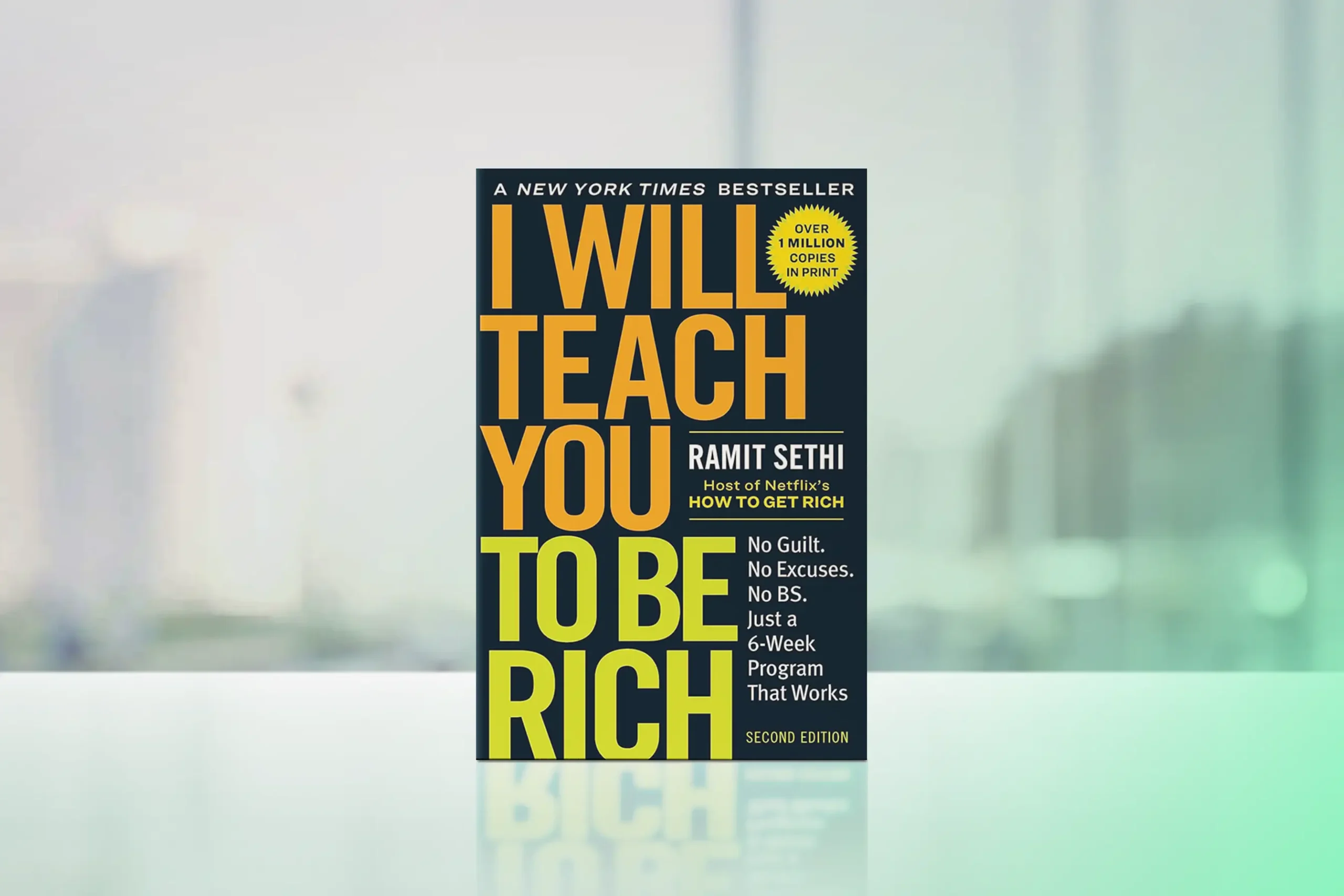
“I Will Teach You to Be Rich” by Ramit Sethi
A practical, step-by-step system for automating savings and investing.
“The Psychology of Money” by Morgan Housel
Explores how behavior, not knowledge, drives long-term financial success.
“The Bogleheads’ Guide to Investing” by Taylor Larimore, Mel Lindauer, and Michael LeBoeuf
A beginner-friendly framework for building a diversified portfolio.