
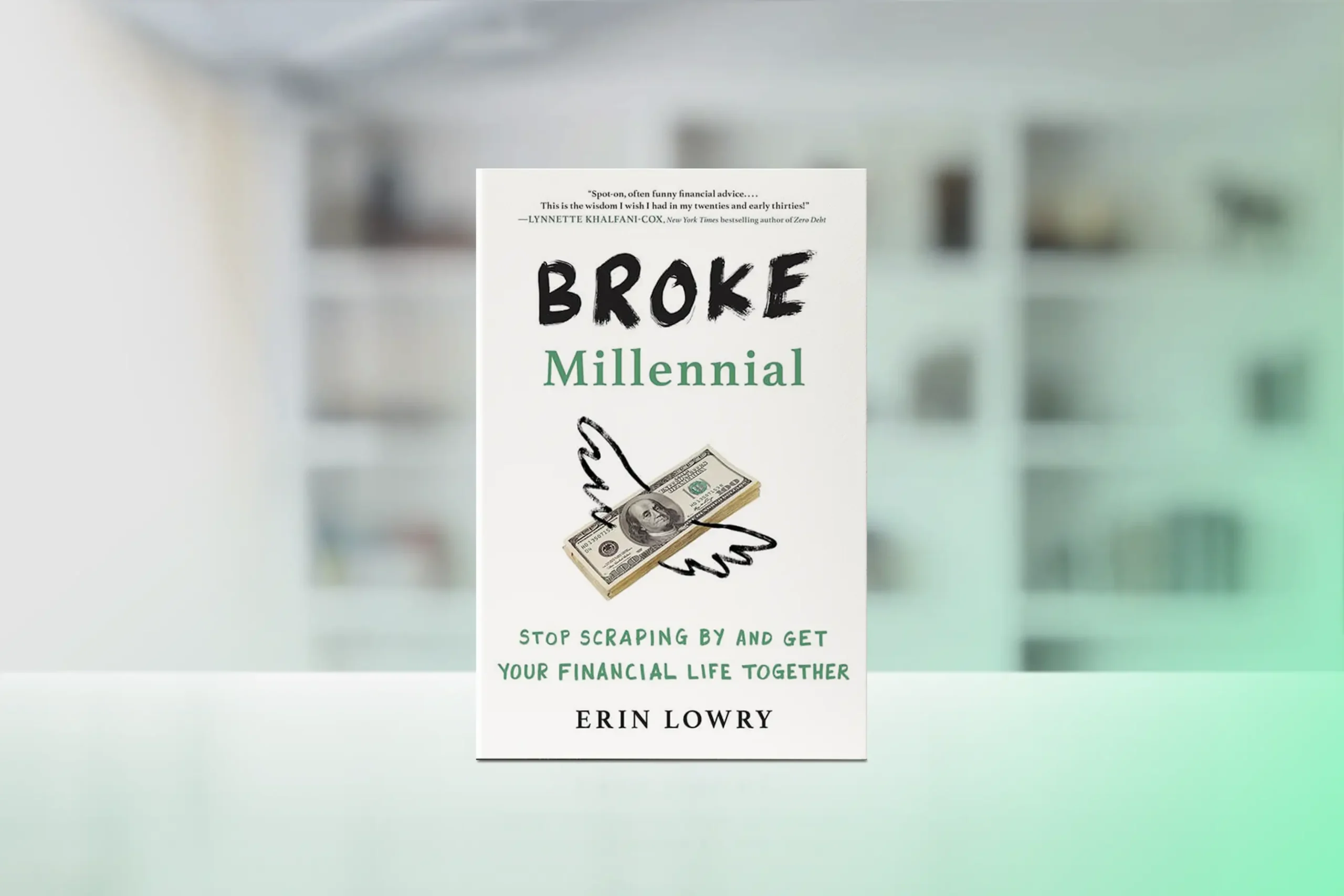
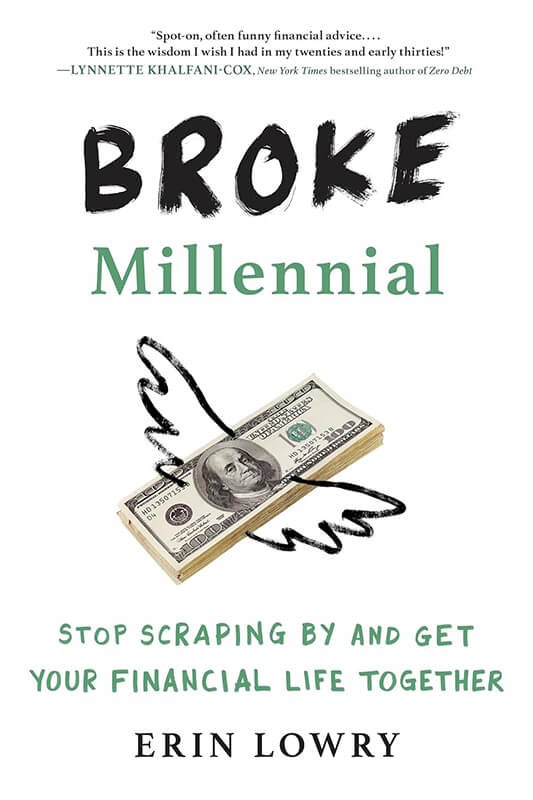
In a world where financial literacy is more crucial than ever, Erin Lowry’s “Broke Millennial: Stop Scraping By and Get Your Financial Life Together” emerges as a beacon of hope for young adults navigating the complex landscape of personal finance.
Published in 2017, this book offers a refreshing and relatable approach to money management, tailored specifically for the millennial generation. Lowry’s core premise? That financial success is achievable for anyone, regardless of their starting point or current financial situation.
Core Concepts
Lowry presents a comprehensive guide to financial literacy, focusing on the unique challenges and opportunities faced by millennials. The book covers a wide range of topics, from basic budgeting to investing, all presented in a conversational and easy-to-understand manner. Here are the key concepts:
- Understanding your relationship with money
- Mastering budgeting and saving techniques
- Tackling student loans and credit card debt
- Navigating the world of credit scores
- Learning the basics of investing
- Handling financial relationships with friends and partners
By addressing these areas, Lowry aims to empower readers with the knowledge and confidence to take control of their financial futures, no matter their current circumstances.
Chapter-by-Chapter Review
Chapter 1: Money Isn’t the Worst! Seriously.
Lowry begins with the emotional side of money, encouraging readers to examine their attitudes, habits, and anxieties around finances. The goal is to become more comfortable talking about and managing money.
Chapter 2: Is Money a Tinder Date or Marriage Material?
This chapter looks at financial goals and the role money plays in a person’s life. Lowry encourages readers to think beyond short-term spending and consider what they want their money to help them achieve.
Chapter 3: Do You Have a Gold Star in Personal Finance?
Lowry introduces the fundamentals of managing money, including understanding income, spending, and financial priorities. The focus is on building a workable foundation rather than trying to be perfect.
Chapter 4: Dealing with the Dreaded B-Word
Budgeting becomes the focus, with practical approaches for understanding where money goes and making spending decisions more deliberately. The emphasis is on finding a system that fits real life.
Chapter 5: Credit Reports and Scores: The Report Card for Life
Lowry explains how credit reports and scores work and why they matter for everyday financial decisions. She also covers practical ways to establish and maintain a healthy credit history.
Chapter 6: Wait, I Shouldn’t Just Pay the Minimum Due on My Credit Card?
This chapter tackles credit cards and the dangers of carrying expensive revolving debt. Lowry explains how interest works and why paying more than the minimum can make a major difference.
Chapter 7: Student Loans: How to Handle Them Without Having a Full-On Panic Attack
Lowry addresses the practical and emotional challenges of student debt. The focus is on understanding repayment options and developing a manageable approach rather than treating the debt as an overwhelming problem.
Chapter 8: I’ve Got Debt, So Why Should I Care About Saving?
The chapter explores the tension between paying down debt and building savings. Lowry explains why having some cash reserves matters even when debt remains, helping prevent every unexpected expense from becoming another financial setback.
Chapter 9: Seriously, Investing Is Not Just for Old, Rich People
Lowry introduces investing in an accessible way, explaining why starting early matters and covering basic options such as retirement accounts and diversified investments. The message is that investing is not reserved for wealthy or experienced people.
Key Strengths
- Relatable and humorous writing style that resonates with millennials
- Practical, actionable advice that can be implemented immediately
- Comprehensive coverage of essential financial topics
- Addresses modern financial challenges specific to the millennial generation
- Encourages a healthy, positive relationship with money
Potential Drawbacks
- Some readers may find the tone too casual for a finance book
- Advanced investors might find some sections too basic
- U.S.-centric advice may not fully apply to international readers
Who This Book Is For
Broke Millennial is an ideal read for:
- Young adults in their 20s and early 30s just starting their financial journey
- College students and recent graduates looking to build a strong financial foundation
- Millennials struggling with student loans or credit card debt
- Anyone seeking a friendly, approachable introduction to personal finance
Final Review
Broke Millennial is a game-changer for young adults seeking financial empowerment. Lowry’s engaging writing style and practical advice make complex financial concepts accessible and actionable. By applying the principles outlined in this book, readers can take significant steps towards financial stability and freedom.
While implementing these strategies may require discipline and patience, the potential long-term benefits are immense. From building a solid emergency fund to starting your investment journey, the book provides a roadmap for financial success that can be tailored to individual circumstances.
Rating: 4.5/5
An essential, empowering guide for millennials navigating the complex world of personal finance.
Alternative Books
If you are looking for other books like Broke Millennial or are looking for more personal finance insights, consider these related books:
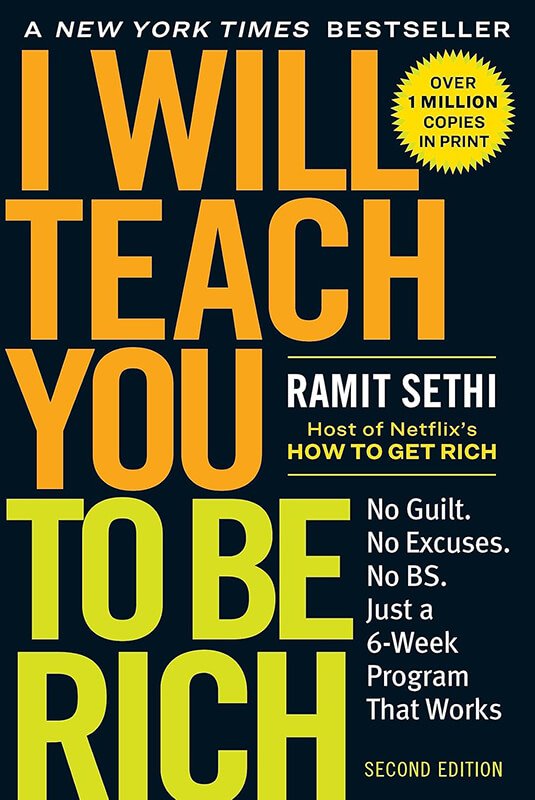
“I Will Teach You to Be Rich” by Ramit Sethi
A bold, practical approach to money management and building wealth.
Rating: 4.5/5
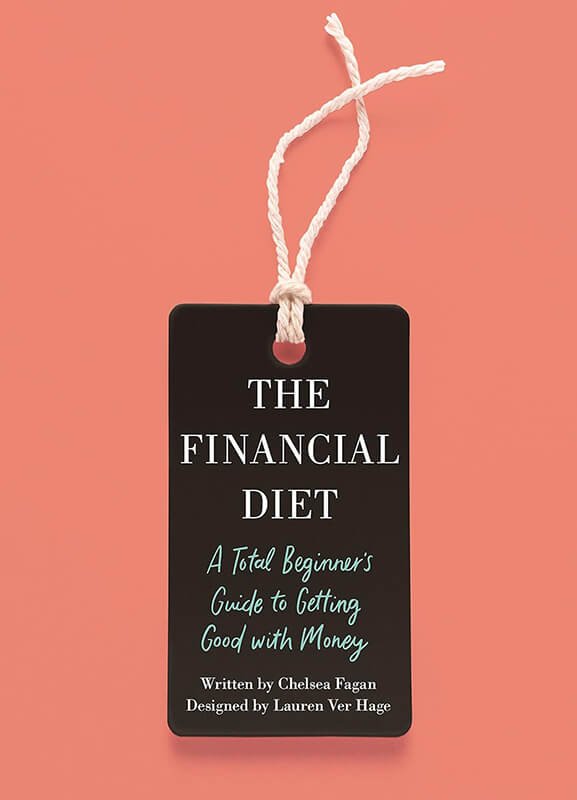
“The Financial Diet” by Chelsea Fagan and Lauren Ver Hage
A holistic guide to personal finance for young adults, covering money, career, and lifestyle.
Rating: 4.4/5
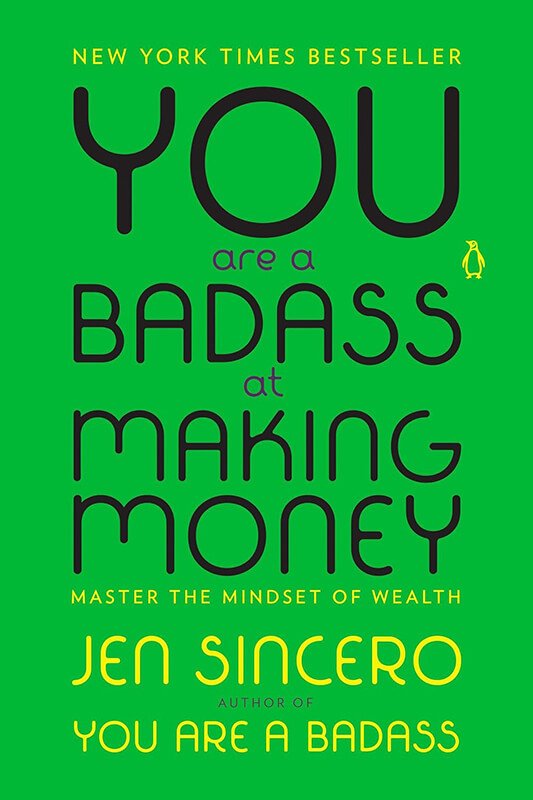
“You Are a Badass at Making Money” by Jen Sincero
An energetic, mindset-focused approach to improving your financial situation.
Rating: 4.7/5