
Most investing advice online is written to be clicked, not to be useful. Books are different: they force an author to build an argument and defend it. These 10 investment books for beginners cover what a new investor actually needs: how markets behave, why costs matter more than cleverness, and why your own behaviour decides most of your returns. Start where you are, not at number one.
Looking to start your investment journey but feeling overwhelmed? You’re not alone. The world of investing can seem complex, but with the right guidance, anyone can learn to build wealth through smart investment strategies. We’ve curated a list of the most approachable, highly-rated investment books that will help you build a solid foundation for your financial future.
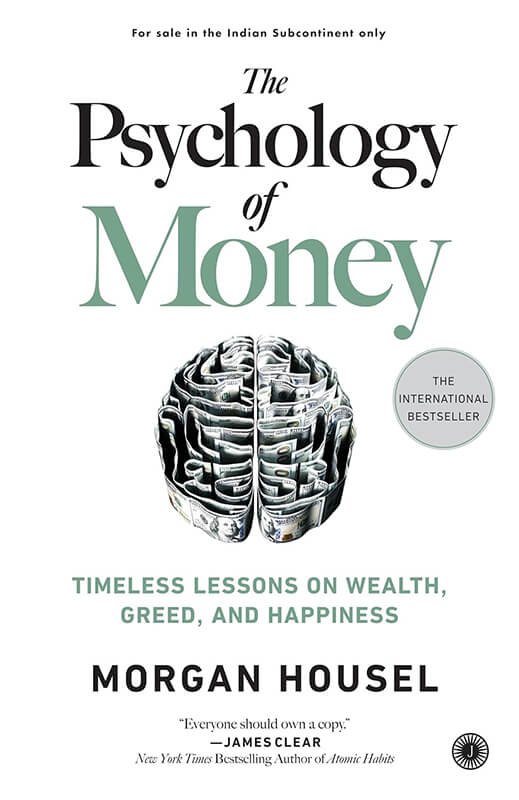
1. “The Psychology of Money” by Morgan Housel
Ever wonder why smart people make terrible money decisions? Housel argues that doing well with money has far more to do with how you behave than what you know. Through nineteen short, story-driven chapters he shows why patience, humility and a tolerance for uncertainty beat spreadsheet brilliance every time. If you only read one book on this list, make it this one.
Best for: Money mindset & behaviour
Rating: 4.7/5
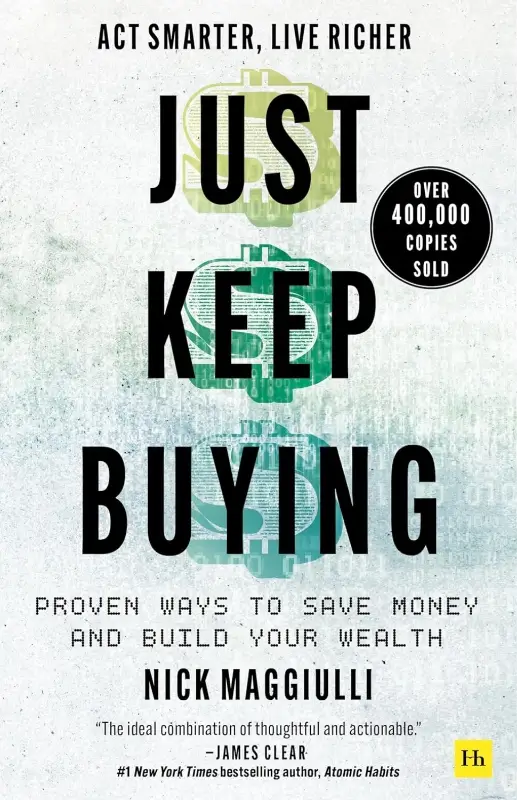
2. “Just Keep Buying” by Nick Maggiulli
Maggiulli takes the two questions every beginner asks, how much should I save and when should I invest, and answers them with data rather than opinion. His central finding is reassuring: buying consistently beats waiting for the perfect moment almost every time. Practical, evidence-led and refreshingly free of hype.
Best for: Starting to invest
Rating: 4.7/5
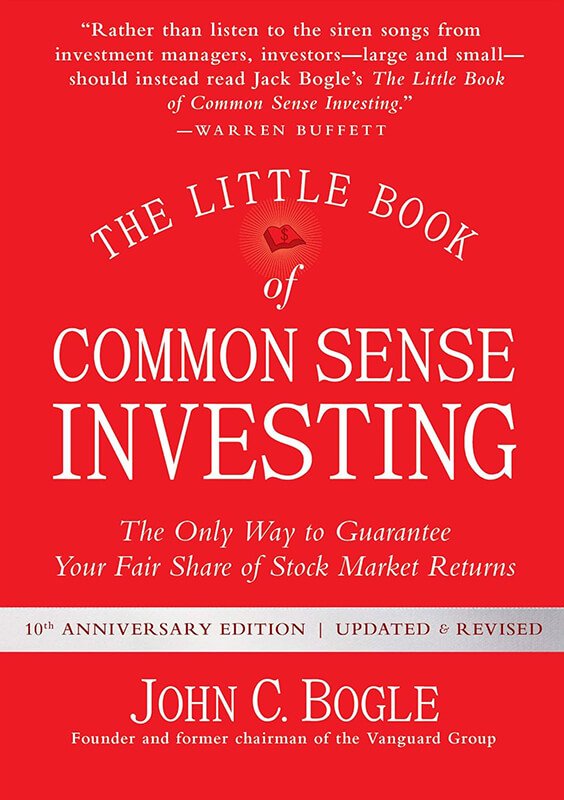
3. “The Little Book of Common Sense Investing” by John C. Bogle
The founder of Vanguard makes the case for low-cost index funds in under 300 pages. Bogle shows how fees quietly eat returns and why owning the whole market beats trying to outguess it. It is short, blunt and has arguably done more for ordinary investors than any other investing book written.
Best for: Index investing
Rating: 4.7/5
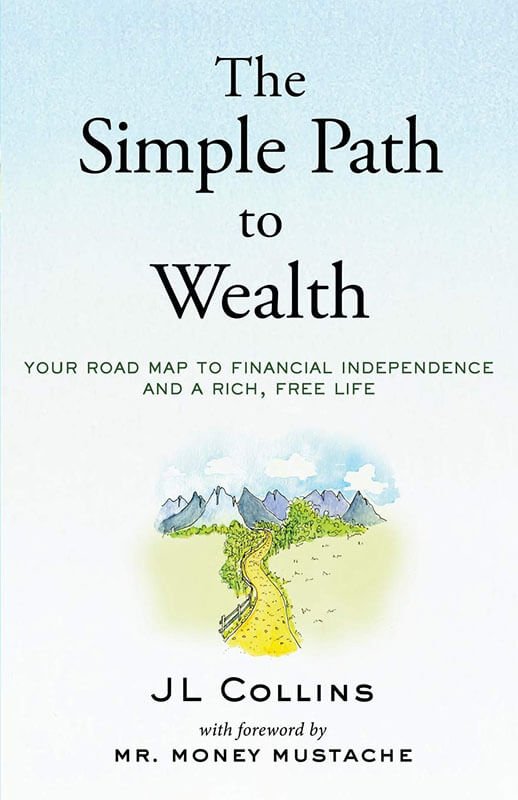
4. “The Simple Path to Wealth” by J.L. Collins
Written as a series of letters to his daughter, Collins strips investing back to something you can actually follow: avoid debt, save a chunk of what you earn, put it in a broad index fund and leave it alone. The warmth of the writing makes a dry subject genuinely readable.
Best for: Simple long-term strategy
Rating: 4.6/5
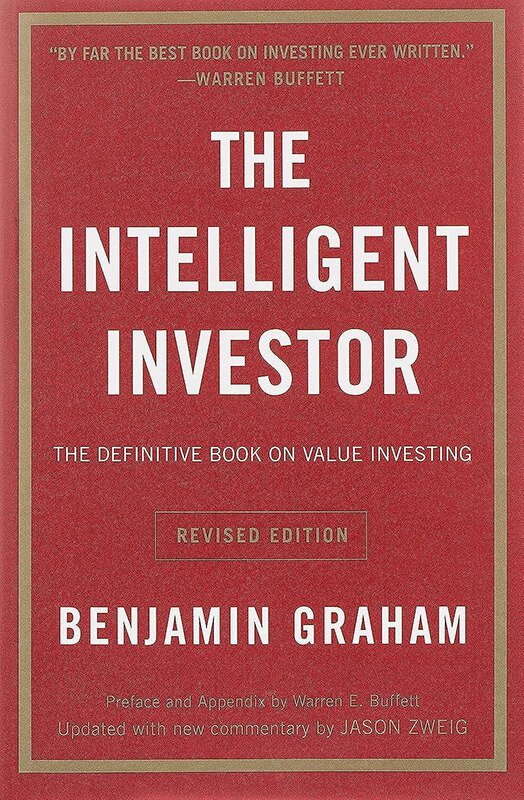
5. “The Intelligent Investor” by Benjamin Graham
Warren Buffett calls this the best book on investing ever written, and the core ideas of margin of safety, Mr Market and the gulf between investing and speculating have held up for seventy years. It is the heaviest read here, so treat it as the one you graduate to rather than start with.
Best for: Value investing fundamentals
Rating: 4.6/5
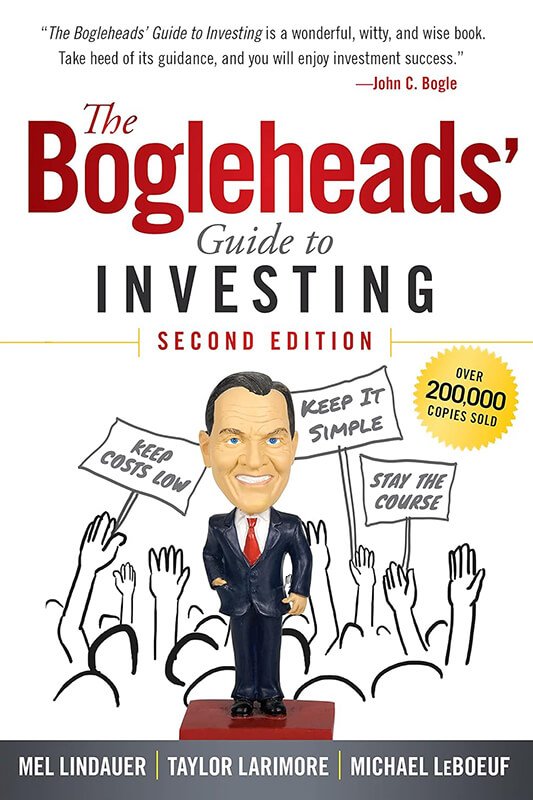
6. “The Bogleheads’ Guide to Investing” by Taylor Larimore, Mel Lindauer and Michael LeBoeuf
This is the practical companion to Bogle’s philosophy: asset allocation, tax-efficient accounts, rebalancing and how to keep costs down, all explained without jargon. Think of it as the manual you work through once you have decided index investing is for you.
Best for: Building an investment plan
Rating: 4.7/5
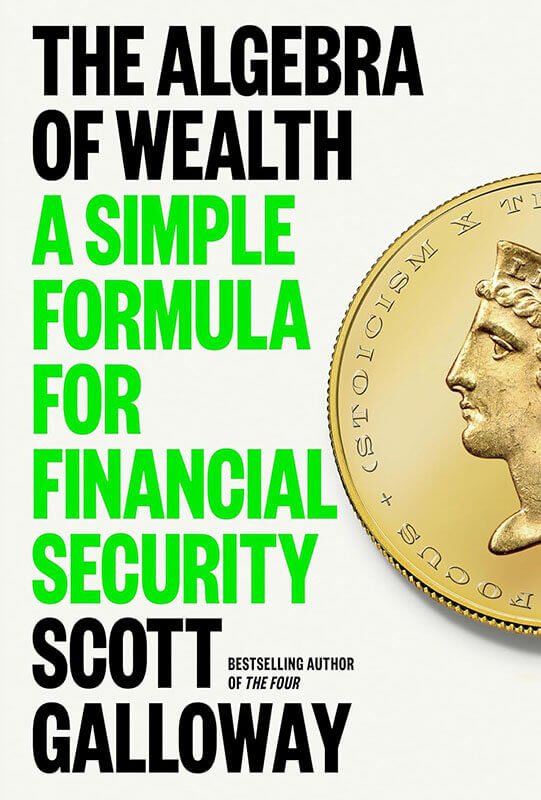
7. “The Algebra of Wealth” by Scott Galloway
Galloway widens the lens beyond portfolios to the things that actually determine your financial life: what you do for work, where you live, who you partner with and how much you spend. Direct, occasionally uncomfortable, and useful if you are still building your earning power.
Best for: Building wealth holistically
Rating: 4.6/5
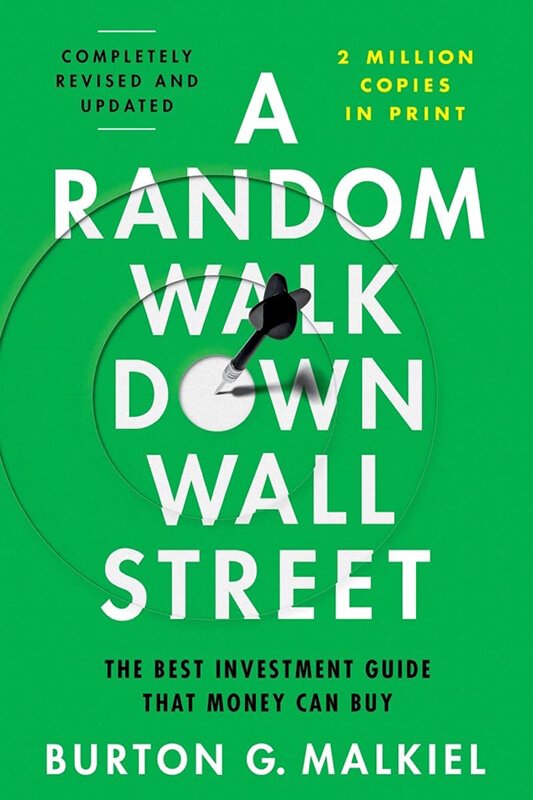
8. “A Random Walk Down Wall Street” by Burton G. Malkiel
Now past its fiftieth anniversary, Malkiel’s classic walks through bubbles, manias and the evidence on whether anyone can reliably beat the market. It is denser than the others here, but it gives you the theory behind why the simple strategies work.
Best for: Understanding markets
Rating: 4.5/5
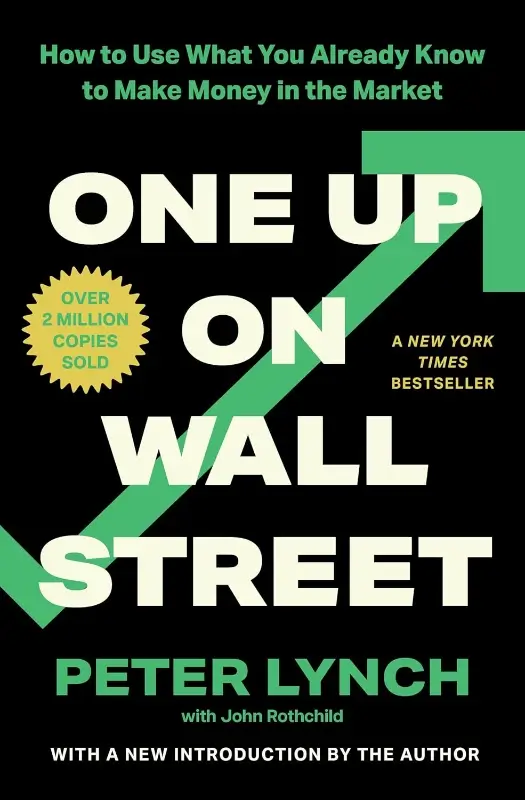
9. “One Up On Wall Street” by Peter Lynch
Lynch ran one of the best-performing funds in history and argues that ordinary investors have an edge: you notice good products and businesses long before Wall Street does. If you want to hold individual stocks alongside your index funds, start here, as a complement to the index books above rather than a replacement.
Best for: Choosing individual stocks
Rating: 4.6/5
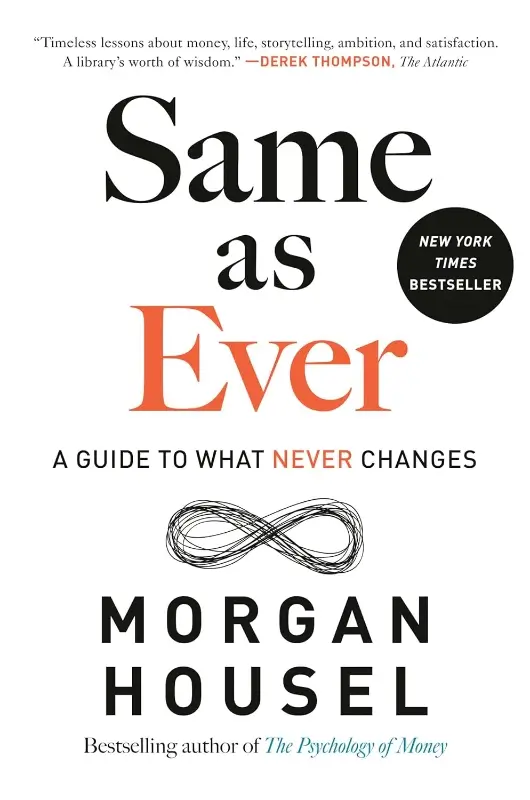
10. “Same as Ever” by Morgan Housel
Housel’s follow-up flips the usual question. Instead of forecasting what will change, he catalogues the things that never do: how people react to risk, greed, scarcity and surprise. For investors, it is a useful antidote to the urge to react to every headline.
Best for: Timeless patterns and long-term thinking
Rating: 4.6/5
The 10 Investment Books for Beginners Ranked
| Rank | Book | Rating | Best For | Buy |
|---|---|---|---|---|
| 1 | The Psychology of Money Morgan Housel | 4.7/5 | Money mindset & behaviour | Amazon |
| 2 | Just Keep Buying Nick Maggiulli | 4.7/5 | Starting to invest | Amazon |
| 3 | The Little Book of Common Sense Investing John C. Bogle | 4.7/5 | Index investing | Amazon |
| 4 | The Simple Path to Wealth J.L. Collins | 4.6/5 | Simple long-term strategy | Amazon |
| 5 | The Intelligent Investor Benjamin Graham | 4.6/5 | Value investing fundamentals | Amazon |
| 6 | The Bogleheads’ Guide to Investing Taylor Larimore, Mel Lindauer and Michael LeBoeuf | 4.7/5 | Building an investment plan | Amazon |
| 7 | The Algebra of Wealth Scott Galloway | 4.6/5 | Building wealth holistically | Amazon |
| 8 | A Random Walk Down Wall Street Burton G. Malkiel | 4.5/5 | Understanding markets | Amazon |
| 9 | One Up On Wall Street Peter Lynch | 4.6/5 | Choosing individual stocks | Amazon |
| 10 | Same as Ever Morgan Housel | 4.6/5 | Timeless patterns and long-term thinking | Amazon |
Key takeaway: Start with the book that matches where you are now, not the one ranked highest.
Final Thoughts
Successful investing is not about getting rich quickly. It is about making informed decisions and staying consistent over time. These books offer different perspectives, from practical strategies to psychological insights.
Start with the one that best matches your current knowledge and interests, then work through the rest to build a fuller understanding of how investing works.
Read More on Building Wealth
How to Build Wealth: From Saving to Investing
The full arc from your first saved pound to a working investment portfolio.
Investing for Beginners: Stocks, Bonds, and Other Options Explained
What each asset class actually is, and what it does in a portfolio.
How to Start Investing: A Beginner’s Guide to Growing Your Wealth
The practical first steps, covering accounts, amounts and getting the first trade done.
The Psychology of Investing: Overcoming Emotional Biases
The behavioural traps that cost investors more than any fee ever will.
Life-Stage Investing: Adapting Your Portfolio as You Age
How your allocation should shift across your twenties, forties and retirement.